Language Settings
Select Website Language
newshunt
newshunt

Filters

Channels
Topics
Other Filters

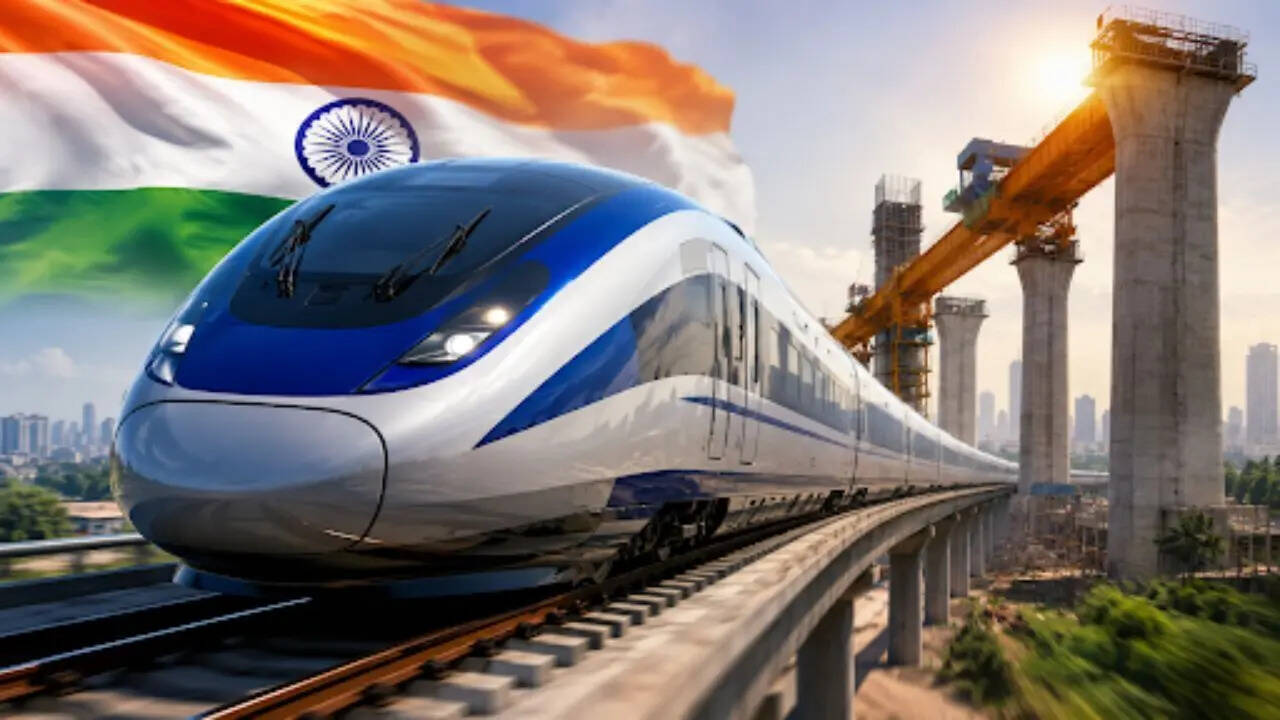
India’s bullet train project: Nine years later, is the dream finally nearing reality?

India's ambitious first bullet train project, launched in 2017, is now in its advanced construction phase, with viaducts and tunnels taking shape. Despite delays and cost escalations, the Mumbai-Ahmedabad corridor is set to revolutionize travel, with the first operational section anticipated by mid-2027. This endeavor signifies India's leap into high-speed rail technology.

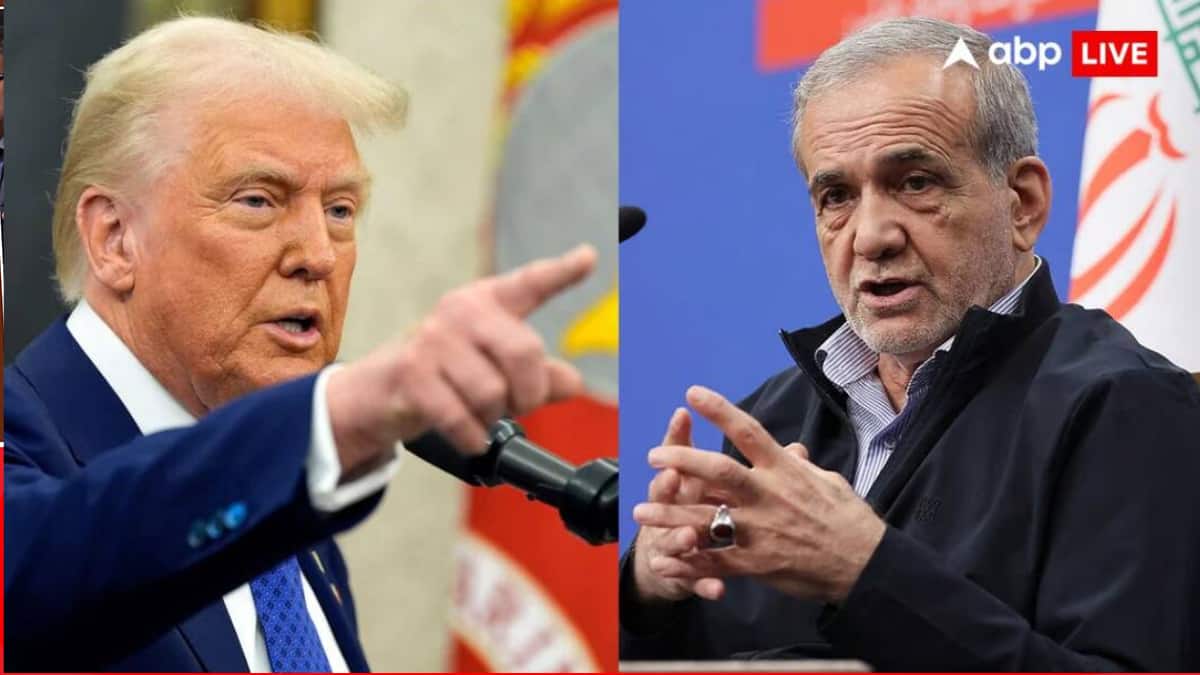
'Betraying Diplomacy For Third Time': Iran Hits Out At Trump Over Maritime Restrictions

A senior adviser to Iran's Supreme Leader has accused US President Donald Trump of undermining diplomatic efforts, claiming Washington continues to enforce restrictions on Iranian vessels despite announcing the removal of a naval blockade in the Strait of Hormuz. Mohsen Rezaei said the United States was "betraying diplomacy for the third time", arguing that its actions on the ground did not match its public statements. The remarks come amid growing uncertainty over the status of maritime restrictions and ongoing tensions between Tehran and Washington over regional security and negotiations. Iran Questions Move In a statement issued on Saturday, Rezaei criticised what he described as contradictory US behaviour, linking the continued restrictions and Washington's demands in negotiations to a broader policy that, in his view, shows little commitment to diplomacy. His comments followed reports that Iranian commercial vessels were still facing restrictions despite Trump's announcement on Friday that the naval blockade in the Strait of Hormuz would be lifted. Iranian Foreign Ministry spokesperson Esmaeil Baqaei also cast doubt on whether the restrictions had actually been removed. He said there was no clear evidence to confirm whether the announcement reflected a genuine policy shift or was merely a public statement without practical implementation. Also Read: Is Indus Treaty Deadlock Worsening Pakistan's Water Crisis? Karachi Faces 70% Shortages Shipping Dispute Continues According to Iran's Tasnim News Agency, sailors aboard Iranian commercial vessels claimed they were continuing to receive warnings from the US Central Command (CENTCOM) and American warships. The warnings reportedly instructed ships not to enter the restricted zone or risk facing military action. Despite those reports, Iranian media pointed to the voyage of the cargo vessel Kamran as evidence that the measures were ineffective. Citing satellite-tracking data, local outlets reported that the ship had successfully reached Imam Khomeini Port in southwestern Iran after returning from Brazil. Iranian media described the journey as a breach of what they called "illegal" restrictions imposed on maritime traffic. The dispute centres on the Strait of Hormuz, one of the world's most strategically important waterways. Roughly one-fifth of global oil shipments and significant volumes of liquefied natural gas pass through the narrow passage, making any disruption a matter of international concern. Also Read: ‘US Can’t Stop Praising Pakistan’: Congress Slams Hegseth Over Asim Munir Remarks

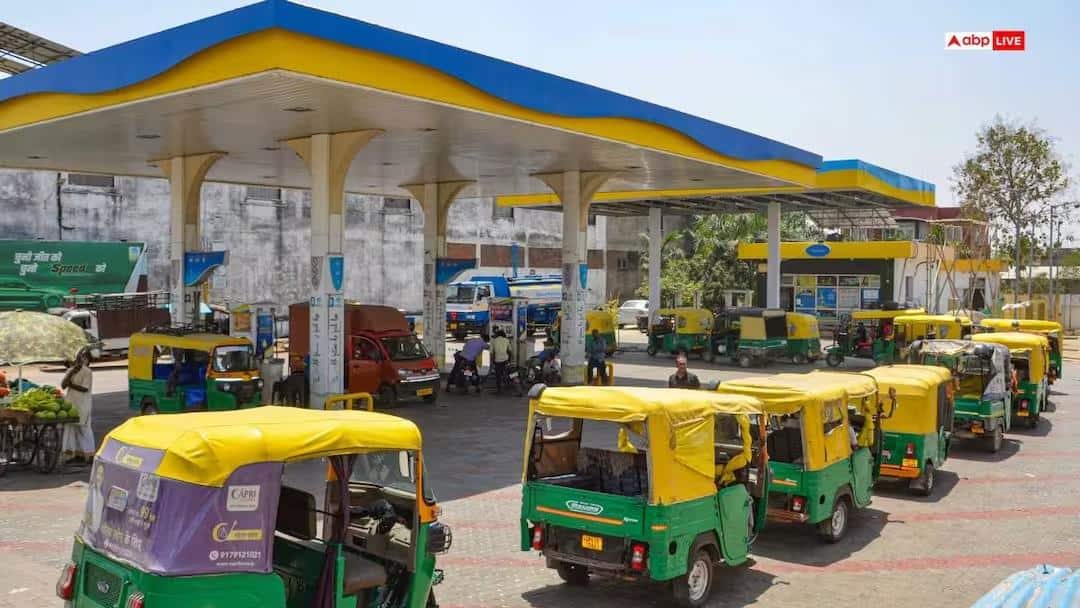
Fuel price cut call: Transporters body urge Centre to cut petrol, diesel prices as crude falls to $90 per barrel

The All India Motor & Goods Transport Association (AIMGTA) has called on the central government to lower petrol and diesel prices. They argue that the significant drop in international crude oil prices, from $104 to $90 per barrel, should be reflected domestically. This reduction, they state, is crucial to alleviate pressure on the transport sector and curb rising inflation.

Govt waives cotton import duty till October 30 to boost supplies, ease input costs

The government has waived customs duties on cotton imports for five months until October 30, 2026, effective June 1, 2026. This measure aims to boost cotton availability for the domestic textile industry, reduce input costs for manufacturers, and support SMEs. The exemption is intended to benefit the entire value chain, including consumers, while considering domestic farmers' interests.

ESG shift: Carbon rules, sustainability mandates make compliance a business priority, say experts

New environmental regulations, like the EU's carbon tax and India's proposed credit trading scheme, are making ESG a crucial business compliance issue, not just voluntary reporting. Experts warn companies without robust carbon data systems risk losing competitiveness. Implementation readiness and data credibility are now paramount for navigating these evolving global standards and securing green finance.

No need to leave US for green card, DHS clarifies

US Homeland Security has clarified that green card applicants generally don't need to leave the country during processing, easing confusion from an earlier announcement. While officers retain case-by-case discretion, especially for those with visa overstays or reliance on public aid, no major policy shift has occurred.

ABP Live Doc Talk | PMOS Is More Than An Ovarian Disorder: Here's How It May Impact Your Vision

Millions of women have suffered from polycystic ovary syndrome for over a century, even if the disease is incorrectly termed according to the results of extensive consultations over a period of 11 years, including more than 22,000 participants who have resulted in renaming the disease to polyendocrine metabolic ovarian syndrome, which will be referred to as PMOS henceforth, appearing in The Lancet in May 2026. However, polycystic ovary syndrome is not correctly named because the so-called cysts are not pathological cysts but rather arrested follicles on an ultrasound image. But what does a name change have to do with your eyes? More than most people realise. ALSO READ: ABP Live Doc Talk: Why Your Haircare Routine May Not Be Helping With Hair Thinning? Know Here PMOS And Its Multi-System Effects PMOS has now officially been classified as a disorder with multiple physiological systems at play, affecting aspects like endocrinology, metabolism, reproduction, skin, and psychology. The latter aspect is especially significant because PMOS can affect the ophthalmological aspects of health. When a disorder focuses solely on reproductive organs, aspects such as eye problems get ignored. This has been the hidden price of the previous terminology.The ocular connection to this condition runs through two of its defining mechanisms: elevated androgens and insulin resistance. There have been several findings of significantly higher numbers of meibomian gland loss in females who have the condition, the meibomian glands being the small glands in the eyelids that secrete oils and prevent evaporation of tears. Sub-clinical inflammation, hyperandrogenism, and insulin resistance may be the reasons behind this phenomenon, with the latter often under-diagnosed clinically. ALSO READ: ABP Live Doc Talk: Children Are Developing Fatty Liver Earlier, Here's What Parents Should Pay Attention To The Eye Risks Linked To Insulin Resistance Insulin resistance is another dimension of potential harm. Elevated glucose levels may cause damage to the blood vessels of the eyes, resulting in complications such as diabetic retinopathy, with inflammation being a possible contributing factor in developing uveitis, which refers to inflammation of the middle layer of the eye. There is also new scientific evidence related to the retina. While some studies point out the possibility of the disorder having a protective effect on the retinal nerve fibre layer, there have been findings suggesting that disorders related to metabolism, including insulin resistance and obesity, might make the eye more susceptible to macular problems. That is the very reason why renaming is crucial. Terminology used within medicine determines diagnosis, therapy, and research. By being centered on ovarian cysts, the name had kept doctors and patients from considering the endocrine and metabolic aspects of the disorder, as well as from taking into account the possibility of any effects on other parts of the body, such as the eyes. With the name highlighting the endocrine and metabolic nature of PMOS, there is room for the participation of ophthalmologists in managing this disorder. Disclaimer: The information provided in the article is shared by experts and is intended for general informational purposes only. It is not a substitute for professional medical advice, diagnosis, or treatment. Always seek the advice of your physician or other qualified healthcare provider with any questions you may have regarding a medical condition.

ABP Live Doc Talk: Why Your Haircare Routine May Not Be Helping With Hair Thinning? Know Here

The haircare industry is built on the premise that the right product will fix the problem. For the vast majority of people dealing with genuine hair thinning, that premise is wrong, and acting on it is how months of treatable hair loss become irreversible follicular damage. ALSO READ: ABP Live Doc Talk: Children Are Developing Fatty Liver Earlier, Here's What Parents Should Pay Attention To The Problem With Treating Hair Thinning Like A Haircare Problem Hair thinning is not a cosmetic issue, but a clinical one. The follicle is a living, metabolically active structure governed by hormonal signals, nutritional availability, oxidative balance, and genetic predisposition. When any of these factors are disrupted, the follicle responds by shortening its growth phase, miniaturising the hair shaft, and eventually ceasing to produce terminal hair altogether. No shampoo, serum, or scalp oil operates at this biological level. They work on the hair shaft and the scalp surface structures that are downstream of the problem, not the source of it. What Most Routines Miss The most commonly missed drivers of hair thinning are the ones that require a blood test to identify. Low ferritin, Vitamin D deficiency, thyroid dysfunction, and elevated androgens are among the most frequent culprits in clinical practice, and none of them responds to topical treatment. A patient can use the most expensive hair growth serum on the market for a year and see no meaningful improvement if the underlying deficiency driving their shedding has never been identified or corrected. The routine is not failing because it is the wrong product. It is failing because it is the wrong intervention entirely. What Actually Works Effective treatment for hair thinning begins with a clinical assessment, trichoscopy to evaluate follicular health directly, and a targeted panel of bloodwork. Where follicular support is needed, evidence-based interventions work at the biological level that topical products cannot reach. Research is increasingly establishing why. A study titled 'Activation of Bulge Stem Cells through Mechano-Stimulation and ECM Remodeling: Emerging Paradigms in Hair Follicle Regeneration,' published in Stem Cell Reviews and Reports and co-authored by specialists at the QR678 research platform, demonstrates that the follicle's extracellular matrix, the structural environment surrounding hair follicle stem cells, plays a central role in governing whether follicles remain dormant or re-enter active growth. Mechano-activation approaches that target this matrix have shown 20–30% hair density gains in Phase II clinical trials, while targeted formulations such as QR678, which deliver defined signals directly to the follicular microenvironment, support stem cell reactivation at precisely the biological level where thinning originates.  ALSO READ: Struggling With Period Pain In The Summers? Experts Decode The Heatwave-Menstruation Link The Honest Answer A haircare routine has a legitimate role in maintaining scalp hygiene and the hair shaft. However, it does not have the biological reach to reverse thinning driven by internal deficiencies, hormonal disruption, or oxidative follicular damage. Recognising that distinction and acting on it by seeking a clinical assessment, rather than a better shampoo, is where recovery from hair thinning actually begins. Disclaimer: The information provided in the article is shared by experts and is intended for general informational purposes only. It is not a substitute for professional medical advice, diagnosis, or treatment. Always seek the advice of your physician or other qualified healthcare provider with any questions you may have regarding a medical condition.

UP Consumers To Pay 10% More On Power Bills From June As UPPCL Imposes Fresh Fuel Surcharge

Electricity consumers in Uttar Pradesh will have to pay higher power bills in June after the Uttar Pradesh Power Corporation Limited (UPPCL) imposed a fresh fuel surcharge of 10 per cent. The additional charge will be reflected in electricity bills issued next month and will apply to domestic, agricultural and commercial consumers across the state. What Is A Fuel Surcharge? A fuel surcharge is an additional charge levied by electricity distribution companies to recover increased costs incurred in fuel procurement, including coal and natural gas used for power generation. According to UPPCL, the latest surcharge has been imposed to offset rising fuel expenses and maintain power supply operations. The move comes at a time when consumers have already been facing concerns related to power cuts and the rollout of smart meters in several areas. ALSO READ: CNG Prices Hiked By Rs 2 In Mumbai, To Now Cost Rs 86 Per Kg June Bills To Rise The surcharge will increase electricity bills by 10 per cent for consumers receiving their bills in June. The impact is expected to be more pronounced during the summer season, when electricity consumption typically rises because of increased use of cooling appliances. As a result, households, farmers and commercial establishments may experience a significant increase in monthly electricity expenses. The latest revision is likely to add to the financial burden on consumers already dealing with rising living costs. Consumer groups and residents have raised concerns over the increase, particularly in view of complaints regarding electricity supply and outages in several parts of the state. Rural consumers, who have frequently reported power shortages, are also expected to be affected by the additional charge. ALSO READ: Is Indus Treaty Deadlock Worsening Pakistan's Water Crisis? Karachi Faces 70% Shortages Fuel Surcharge Increased Earlier Too This is not the first fuel surcharge revision in recent years. In April 2025, UPPCL imposed a fuel surcharge of 1.24 per cent based on fuel costs incurred in January 2025. It was the first such increase in five years. Subsequently, in February 2026, the corporation approved a 10 per cent fuel surcharge, which was then considered the highest surcharge imposed by UPPCL. With the latest revision, consumers will face another 10 per cent increase within four months, further raising concerns over rising electricity costs in the state. The decision is expected to affect millions of consumers across Uttar Pradesh and may draw opposition from consumer organisations and public representatives in the coming days.

New Honda City Facelift Hybrid Review And Real Mileage

The City is the longest running midsize sedan and it is a name as popular as Honda itself. Hence, the City has been the backbone for the brand but recently faced intense competition in this segment. Now, the City is back and this time it means business. Design And Styling There is updated styling, more features and it carries forward it's hybrid and petrol engines. Clearly the new City looks much more attractive with its sleeker stance with the slimmer LED headlights plus the light bar along with the sharply cut bumper. There are new alloys too and in this black shade, the City is a head turner for sure. Features And Cabin Experience Inside, the changes are less but you see a new larger touchscreen which kind of looks a bit aftermarket but the display is better now. There is also a new 360 degree camera which offers a decent resolution. Other features include ventilated seats which cover a large part of the front seats and a powered handbrake while it continues to have features like ADAS and climate control. However, powered seats should have been provided along with rear sunshades. The rear seats have good legroom and ample width along with a middle headrest too but the headroom is in short supply. Performance And Driving Experience Start the car and it's silence as the hybrid City moves along in electric power while gentle throttle inputs bring the EV mode on. The engine and electric power blend very well and you don't realise when the petrol engine comes on. The 126bhp/253Nm hybrid powertrain is smooth and cruises very well along with a light steering. It is perfect for city traffic and a gentle cruise suits it. Drive it hard though and the eCVT gearbox becomes noisy. It's not the muscular power delivery of a turbo petrol but instead is smooth for gentle cruising. You will also get 17-20kmpl in the real world while more too on the highway. The driving experience is also comfort oriented with a soft suspension but with a very nice ride quality while there is some body roll. Verdict Priced at Rs 21 lakh the City hybrid is now more expensive than before but is now more recommended due to the new looks, added features and the excellent fuel efficiency during these times of sky rocketing fuel prices. If your running is huge and you need a comfortable plus efficient car, the new City is an appealing alternative to an SUV.  

CNG Prices Hiked By Rs 2 In Mumbai, To Now Cost Rs 86 Per Kg

Compressed Natural Gas (CNG) has become costlier in Mumbai and neighbouring areas after a fresh increase of Rs 2 per kilogram in retail prices. The revised rates came into effect from midnight on May 29, raising the retail selling price (RSP) from Rs 84 per kg to Rs 86 per kg. The latest revision is expected to affect a wide range of consumers, including private vehicle owners, taxi operators, auto-rickshaw drivers and commercial transporters who rely on CNG for daily operations. Gas distributors and dealers have been instructed to implement the revised rates immediately and inform consumers about the changes. Why Have Prices Increased? According to officials of Mahanagar Gas Ltd (MGL), rising input costs and disruptions in the global gas market have contributed to the latest hike. Officials said ongoing geopolitical tensions in West Asia have affected supply conditions and increased import-related expenses, prompting the company to revise prices. The increase has also sparked concerns among transport operators. According to media reports, representatives of the Mumbai Rickshaw Men's Union have urged transport authorities to consider increasing the base fare for auto-rickshaws and taxis by up to Rs1 to offset higher operating costs. Second CNG Hike In May The latest increase marks the second CNG price hike in Mumbai during May. Earlier, on May 14, gas distribution companies operating in the Mumbai Metropolitan Region (MMR) raised CNG prices by Rs2 per kg, taking the rate from Rs82 to Rs84 per kg. With the latest revision, CNG prices in Mumbai have increased by a total of Rs4 per kilogram within just over two weeks. Delhi Also Witnesses Multiple Hikes CNG consumers in Delhi and surrounding areas have also faced repeated price increases this month. According to available data, rates were revised upward on four occasions: May 15: Rs 2 per kgMay 17: Rs 1 per kgMay 23: Rs 1 per kgMay 26: Rs 2 per kg As a result, CNG prices in Delhi have risen from Rs 77.09 per kg to Rs 83.09 per kg within 11 days. In neighbouring cities such as Noida and Ghaziabad, CNG rates have climbed to as high as Rs 91.70 per kilogram. The latest revisions reflect mounting pressure on the domestic gas market as distributors grapple with higher procurement and import costs amid evolving global energy market conditions.

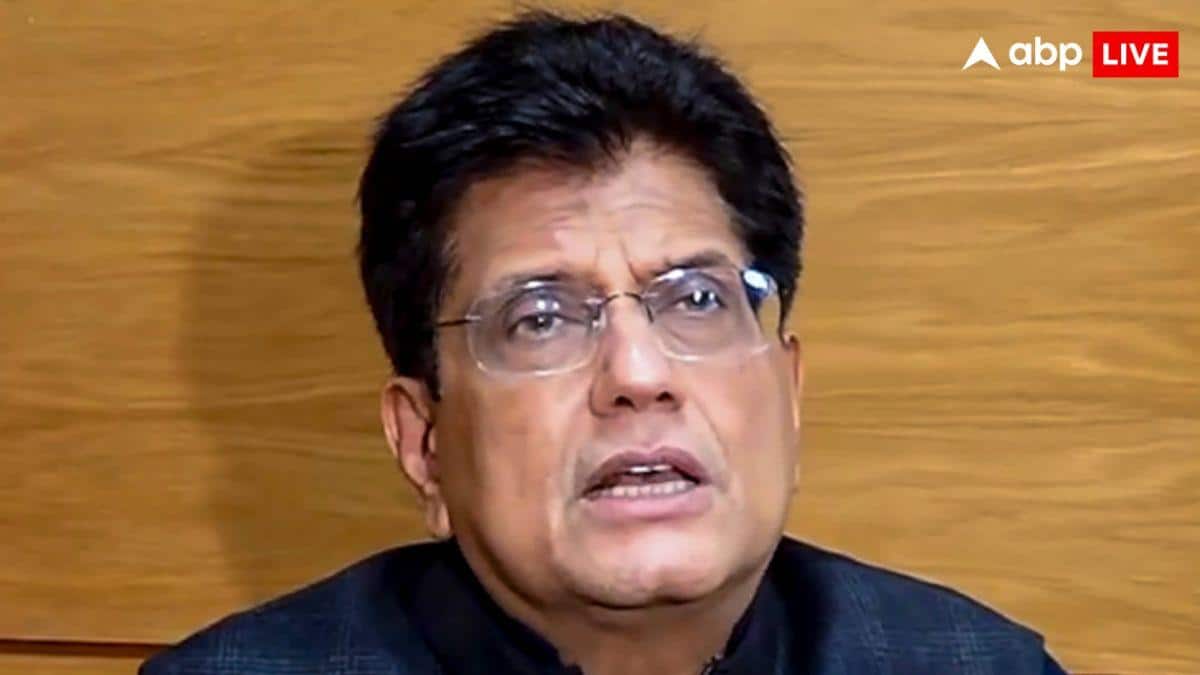
Piyush Goyal Meets Top US CEOs To Deepen India-US Investment, Tech Partnership

Union Commerce and Industry Minister Piyush Goyal held a series of high-level meetings with leading US business executives in New York on May 28, aimed at strengthening India-US trade and investment ties and expanding cooperation in sectors such as financial services, healthcare, manufacturing, artificial intelligence and digital payments. According to the Ministry of Commerce & Industry, the engagements were held as India continues to position itself as a major global investment destination and seeks deeper industry-to-industry collaboration with the United States. Discussions during the meetings focused on increasing investment opportunities in India, improving supply chain resilience and advancing partnerships in emerging technologies and innovation-driven sectors. During his transit through New York, Goyal held one-to-one meetings with Harvey Schwartz, Ted Pick, Charles Kaye, Chintu Patel and Michael Miebach. According to the ministry, the discussions highlighted "India's growing attractiveness as a global investment destination" and explored opportunities for global businesses to expand their presence in the country. The Minister also addressed a gathering of more than 50 business leaders from the investment and trade community at an interaction organised with the US-India Strategic Partnership Forum. The interaction focused on India's economic growth trajectory, ongoing reforms, ease of doing business and emerging opportunities for collaboration across key sectors. The engagements also reflected growing global confidence in India's economic outlook and reaffirmed the importance of stronger business partnerships between India and the United States.  (Disclaimer: This report has been published as part of the auto-generated syndicate wire feed. Apart from the headline, no editing has been done in the copy by ABP Live.)

//