Language Settings
Select Website Language
newshunt
newshunt

Filters

Channels
Topics
Other Filters

US stock market today: AI stocks sink again, pulling Wall Street towards weekly loss

Wall Street experienced a downturn Friday, primarily driven by a significant selloff in AI-linked stocks. This overshadowed gains in other sectors, pushing the S&P 500 towards its second weekly dip in three months. Investor concerns about earnings growth justifying AI stock valuations intensified, impacting global markets. Major tech players like Micron and Apple faced pressure, while oil prices also retreated amid easing geopolitical tensions.

India-UK FTA must drive transformational growth, not just higher trade: Piyush Goyal

Commerce and Industry Minister Piyush Goyal urged Indian and British businesses to aim for "transformational growth" with the upcoming Free Trade Agreement, effective July 15. He emphasized exploring partnerships to maximize opportunities beyond incremental gains. Goyal also highlighted the Double Contribution Convention, benefiting temporary workers, and criticized global rating agencies for their assessment of India's economic potential.

Watchdogs turn to AI: FINMA leads push to build cyber tools; US curbs hit Anthropic's Mythos

Amid escalating cyber threats, financial regulatory bodies across the globe are increasingly leveraging AI. They are developing proprietary AI solutions to strengthen the oversight of banking and digital assets, acknowledging the necessity of keeping up with swiftly evolving risks. Moreover, international platforms are encouraging joint efforts to secure access to credible AI technologies, while concerns over national security lead to export limits on particular AI models.

ABP LIVE Doc Talk | Is Pelvic Pressure Normal After Childbirth? Experts Explain

Pelvic organ prolapse (POP) remains one of the least discussed yet widely prevalent women’s health concerns in India. Women across the country continue to live with symptoms that can affect everyday activities, including walking comfortably, exercising, laughing, or even using the restroom without discomfort. While symptomatic pelvic organ prolapse affects an estimated 3-8% of women, clinical assessments suggest the actual prevalence may be as high as 30-50%, particularly among women over 50 who have had vaginal deliveries. Many women continue to suffer quietly for years, assuming their symptoms are simply a normal part of ageing or childbirth. More importantly, these conditions are treatable.  What Is Pelvic Organ Prolapse? As many women silently adjust their lives around discomfort, urinary leakage, or pelvic pressure, they often do not realise these symptoms may point to a medical condition with proper treatment options available. Today, advancements in robotic-assisted surgeries are also helping expand treatment approaches for women with more severe forms of pelvic organ prolapse. Pelvic organ prolapse is a condition in which the muscles and/or tissues that support the uterus, bladder and bowels weaken, causing the organs to fall into the vaginal walls and press on the vaginal walls. Pregnancy, aging, menopause, obesity, chronic strain and heavy lifting are all factors that can weaken these supportive structures. ALSO READ | ABP LIVE Doc Talk: Choosing Between Egg And Embryo Freezing? Here’s What To Know In some women, the bladder slips downward into the front wall of the vagina, known as cystocele or bladder prolapse. Others may experience the bowel pushing into the back wall, known as a rectocele. In many cases, more than one area may be affected at the same time. Although pelvic organ prolapse is not life-threatening, it can significantly affect quality of life. Recognising The Signs Doctors classify prolapse into four grades depending on how far the organ has descended.In Grades 1 and 2, prolapse women may experience a feeling of heaviness, looseness or pulling of the pelvis. Many initially notice urine leakage while coughing, sneezing, laughing, or lifting heavy objects. A small bulge may occasionally appear and disappear on its own. These symptoms are often dismissed as “normal after childbirth” or simply “part of ageing.” However, early-stage prolapse can often be managed with pelvic floor strengthening exercises such as Kegel exercises, along with lifestyle changes. ALSO READ | ABP LIVE Doc Talk | When Period Pain Is More Than Just Cramps: Understanding Endometriosis In Grade 3 or Grade 4 prolapse, the organ may remain outside the vagina regardless of physical activity. Women can develop continuous urine leakage, recurring urinary tract infections, difficulty emptying the bladder or rectum, and discomfort while walking or sitting.Some women even apply pressure themselves to help empty the bladder or bowel, often suffering in silence without realising treatment options are available. Why Proper Evaluation Matters One of the biggest misconceptions around pelvic organ prolapse is that removing the uterus alone will completely solve the problem. In reality, prolapse is not just about the uterus alone. The bladder, bowel, and surrounding pelvic tissues may also lose support over time. Because of this, treatment needs to be personalised based on a woman’s symptoms, the organs involved, her overall health, age, and lifestyle needs. For some patients, the symptoms can be alleviated through pelvic exercises and changes in their lifestyle. However, if the prolapse cases are severe, they might need surgical intervention. The Role Of Minimally Invasive And Robotic-Assisted Surgery Treatment for more severe cases of prolapse has evolved significantly over the years. Depending on the severity and complexity of the condition, treatment may involve surgery performed through the vaginal route or minimally invasive surgical approaches. Robotic-assisted surgery is one of several minimally invasive approaches used in selected reconstructive urogynaecological procedures. Surgical systems such as the da Vinci Surgical System may help provide enhanced visualisation, precision, and improved instrument dexterity during complex pelvic surgeries. In selected cases, these approaches may also help reduce blood loss and support better preservation of surrounding pelvic structures, depending on the patient’s condition Breaking The Silence Around Pelvic Health Pelvic organ prolapse is not something women should silently accept as an inevitable part of ageing. Symptoms such as pelvic pressure, urinary incontinence, bowel difficulties, or a visible bulge should not be ignored. Early assessment will enable women to understand their condition better and explore better treatment modalities before symptoms start affecting their daily lives. More open conversations around pelvic health can encourage women to seek medical advice earlier and access appropriate care when needed.Disclaimer: The information provided in the article is shared by experts and is intended for general informational purposes only. It is not a substitute for professional medical advice, diagnosis, or treatment. Always seek the advice of your physician or other qualified healthcare provider with any questions you may have regarding a medical condition.

India's forex reserves rise to $672.59 billion after gold holdings jump

India's foreign exchange reserves saw a significant rebound, climbing by $963 million to $672.587 billion in the week ending June 19. This recovery was primarily driven by a substantial surge in gold reserves, which more than compensated for a dip in foreign currency assets. The overall reserves reversed a sharp decline from the previous week, signaling a positive trend.

Health Ministry Simplifies Hospital Documentation And Reporting Guidelines To Improve Patient Care

In an effort to increase operational effectiveness without sacrificing patient safety, the Ministry of Health and Family Welfare (MoHFW) has updated hospital standards. As part of the Centre's larger endeavour to construct a more trust-based and effective regulatory framework for hospitals and clinical facilities, the modifications were formally announced on June 22, 2026, under the Jan Vishwas (Amendment of Provisions) Act, 2026. According to the government, the changes are intended to lessen needless compliance requirements without compromising patient care, safety or accountability. What Has Changed? The biggest shift is the substitution of administrative penalties for criminal prosecution for procedural non-compliance. Sections 40, 43, and 46 of the Clinical Establishments Act now use "penalty" instead of "fine" under the updated framework. The Health Ministry claims that the modifications are meant to guarantee appropriate enforcement, enabling authorities to correct minor administrative errors without filing criminal charges against medical facilities or practitioners. Additionally, a formal administrative adjudication procedure is introduced by the changes. Cases involving procedural irregularities will now be handled by designated adjudicating authorities rather than criminal proceedings. Before any penalties are applied, healthcare facilities will have a chance to be heard, and an appeals process has been added for those who want to contest rulings. The goal of the reforms is to improve the efficiency, proportionality and transparency of enforcement. By lowering procedural complexity and promoting a more open, trust-based approach, the revisions also make regulatory compliance easier for hospitals. According to officials, the goal is to allow healthcare organisations to devote more time to providing high-quality medical care and less time to complying with regulations. ALSO READ |4 Reasons Skipping Breakfast May Be Draining Your Energy, Focus, And Productivity Patient Safety Will Not Be Compromised The Health Ministry has emphasised that neither accountability nor healthcare standards are compromised by the measures. Rather, the updated approach aims to differentiate between serious risks to patient safety and small procedural mistakes, guaranteeing that hospitals continue to satisfy quality requirements while functioning under a more realistic regulatory framework. High-quality healthcare should be safe, effective, timely, efficient, equitable and patient-centred, according to the World Health Organization (WHO). The change also involves reducing documentation requirements that were considered repetitive or overly burdensome for hospitals. Reducing needless administrative burdens can free up more time for physicians, nurses and other healthcare professionals to focus on patient care without sacrificing clinical results or safety, according to public health experts. Why The Reforms Matter For hospitals and other healthcare facilities throughout India, the Clinical Establishments Act sets basic requirements. Healthcare providers have contended over the years that several regulatory rules generated needless administrative pressure, especially for procedural errors that had no direct impact on patient safety. The Health Ministry claims that the most recent changes also put the High-Level Committee on Regulatory Reforms recommendations into practice, demonstrating the government's dedication to enhancing business convenience while upholding a citizen-centric healthcare system. The goal of the changes is to strengthen oversight while establishing a more equitable regulatory environment. ALSO READ |Can Salty Fries And Coke Really Ease Migraine Symptoms? Woman Shares 4 Weird Hacks Balancing Regulation With Better Patient Care Healthcare professionals think that effective regulation and high-quality patient care can coexist. The World Health Organization (WHO) has repeatedly emphasised that robust infrastructure, qualified personnel, and regulatory frameworks that facilitate efficient healthcare delivery, rather than erect needless administrative obstacles, are all necessary for health systems to function well. The updated regulations are anticipated to increase operational effectiveness while maintaining patient safety and accountability as hospitals continue to handle rising patient demand. The Health Ministry states that the objective is to establish a healthcare system in which hospitals can concentrate more on patient outcomes, diagnosis, and treatment while regulatory bodies continue to make sure that fundamental standards of care are upheld.

YouTube Is Killing The Dislike Button On Shorts: Here's What Replaces It

YouTube is rolling out a fresh set of changes to its Shorts player, aimed at giving viewers more control over how they watch and interact with short-form videos. The update brings a distraction-free viewing mode, new playback controls, and a revamp of how people can fine-tune their video feed.  The changes come after years of feedback from the Shorts community since the format launched over five years ago, and mark one of the more noticeable shifts to the viewing experience that the platform has introduced so far. Why Is YouTube Introducing A Clear Screen Mode For Shorts? According to YouTube, the changes are based on direct feedback from viewers. The company said, "We're introducing a new Clear Screen mode that temporarily hides all icons and text from your playback view. This strips away the clutter, giving you an immersive, distraction-free view of the content." ALSO READ: Google Finance Is Back After 10 Years To Help Sort Out Your Portfolio Alongside this, playback speed control is being added so viewers can double the speed of a Short, a feature YouTube says has been among the most requested by its community.  There's also a new way to mute videos by tapping the screen to pause and then tapping the mute icon, along with the option to set a Shorts timer, including turning it off entirely by setting it to zero. How Will The New Heart And Not Interested Buttons Change The Shorts Feed? YouTube is also changing how people react to and curate their feed. The thumbs-up button is being replaced with a heart icon, which the company describes as a more meaningful way to show when a video resonates with someone. ALSO READ: Amazon Is Putting $48 Billion Into India: Here's What That Actually Means At the same time, the dislike button is being phased out. YouTube explained that a dislike "could mean anything from poor audio quality to simply not my cup of tea," which made it difficult to understand what viewers actually meant. In its place, the platform will lean on the existing "Not Interested" and "Don't recommend this channel" options to better understand viewer preferences and adjust recommendations accordingly. Viewers can still report a video if they believe it breaks Community Guidelines, regardless of these changes. YouTube said the updates will roll out over time rather than all at once, so not everyone will see them immediately.

Ben Stokes scripts history, becomes only second after Kallis to...

Ben Stokes made a triumphant return to Test cricket, achieving a historic all-round milestone of over 7,000 runs and 250 wickets, a feat matched only by Jacques Kallis. His impactful bowling display against New Zealand, including a crucial breakthrough and four wickets, revitalized England's efforts after a challenging start. This performance followed a brief suspension for a curfew breach, showcasing Stokes' immediate influence on the field.

India's MSMEs Are Growing Faster Than Ever. Here's What The Latest Data Shows

New Delhi, June 26 (IANS) MSMEs today play a pivotal role in driving India's economic growth and industrial development and the sector contributes about 31.1 per cent in GDP, 35.4 per cent in manufacturing output and 48.58 per cent in exports (as per January 2026), an official fact-sheet said on Friday ahead of the World MSME Day. With more than 38.9 crore people employed, MSMEs are the second-largest source of employment after agriculture. The United Nations has designated June 27 as Micro, Small and Medium-sized Enterprises (MSME) Day to raise awareness about the significant contribution of MSMEs towards achieving the UN’s Sustainable Development Goals (SDGs). The year 2025-26 marked a significant chapter in India's MSME growth story. It witnessed several landmark achievements that strengthened India's MSME ecosystem across formalisation, credit access, technology adoption, grievance redressal and market development. Registrations under the Udyam Registration Portal and Udyam Assist Platform crossed 8.7 crore (as on June 2026). The expansion of the formal enterprise base improved access to institutional finance, government schemes and market opportunities for millions of micro and small businesses. Also Read : What's Delaying The India-US Trade Deal? Piyush Goyal Explains The Biggest Hurdle The Credit Guarantee Fund Trust for Micro and Small Enterprises (CGTMSE) approved 29.03 lakh guarantees amounting to Rs 3.77 lakh crore during January 1-November 30, 2025. In order to improve credit availability, the guarantee coverage ceiling was enhanced from Rs 5 crore to Rs 10 crore, enabling larger collateral-free support for MSMEs, the official statement observed. It also highlights that the sales of Khadi and Village Industries crossed Rs 1.27 lakh crore during the year with the sustained growth reflecting rising demand for locally produced goods and the increasing role of rural enterprises in employment generation. The MSME Samadhaan Portal continued to address delayed payment disputes faced by Micro and Small Enterprises. Till June 2026, the portal received 2,56,892 applications involving claims worth Rs 55,244.29 crore. Of these, 58,148 cases were successfully disposed of by MSE Facilitation Councils. The Champions Portal strengthened grievance redressal for enterprises. During 2025-26, it received 39,494 grievances, of which 39,387 were resolved, achieving a disposal rate of 99.72 per cent. The government also launched the Online Dispute Resolution (ODR) Portal. It aims to reduce the incidence of delayed payments for MSEs and expand access to a technology-enabled ODR mechanism. Beyond economic indicators, MSMEs are nurturing a vibrant entrepreneurial culture across the country. The sector has emerged as a gateway for first-generation entrepreneurs, women-led enterprises and youth-led ventures, particularly in semi-urban and rural areas. This transformation is being reinforced by a series of enabling reforms. Initiatives such as the digital Credit Assessment Model and enhanced equity support to SIDBI are expanding their access to formal finance, the factsheet added. Also Read: When An Indian Passport Isn't Enough, How Does An Indian Prove They Are Indian? (This report has been published as part of the auto-generated syndicate wire feed. Apart from the headline, no editing has been done in the copy by ABP Live.)

BMW X6 Returns With A Roaring V8 As Petrol SUVs Make A Comeback

BMW India has launched the new X6 which comes with a new 530bhp twin turbo V8 engine. This makes the X6 the most powerful in its class and brings this SUV coupe back into the market. The X6 is positioned above the X5 while in India it is a CBU which means it is imported along with a single powertrain option. The twin turbo V8 comes with a mild hybrid system as well which makes 530bhp and has all wheel drive plus rear wheel steering. This massive SUV coupe as a result can do 0-100 km/h in 4.3 seconds. Design, Positioning and Rivals The new X6 was shown in India before at the launch of the M440i and is a large car with plenty of presence. The new X6 gets a sportier look with 21inch wheels and M sport detailing. Also Read : Maruti Brezza Facelift Turbo Petrol Will Be Sold Alongside Current Petrol? Near 5m long the new X6 is a big car but is a sportier design due to its SUV coupe-like styling as seen with the way the roof flows and tapers down. The SUV will compete with many cars like the Mercedes-Benz GLE coupe to the Porsche Cayenne Coupe plus the Audi SQ8 amongst others. Having a large V8 engine is a bonus for the car with petrol engines in demand for buyers in this segment. The Original SUV Coupe The X6 was also the original SUV coupe and started this design trend.

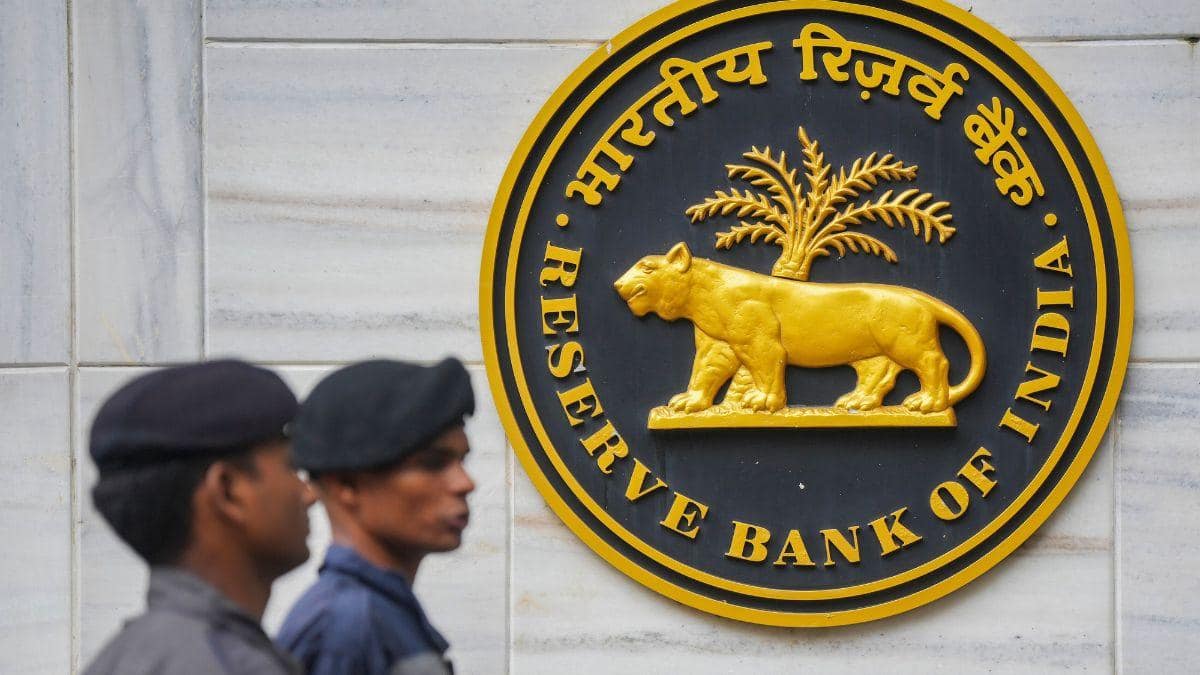
RBI Proposes Major Changes To Government Securities Trading; What Investors Should Know

The Reserve Bank of India has proposed that eligible participants in government securities can maintain short positions as per a set rules. In a draft directions issued on Thursday, the Central Bank has set limits on the government bond market participants can short-sell. As per the draft directions, for liquid government bonds or securities, short positions can be up to two per cent of the total bonds available in the market, or Rs 500 crore, whichever is higher. "Liquid Government security: 2 per cent of the outstanding stock of the Government security, or Rs 500 crore, whichever is higher," it said. Meanwhile, for other eligible government securities, short positions can be up to one per cent of the total bonds, or Rs 250 crore, whichever is higher. This means even when short-selling government bonds, traders cannot exceed a fixed percentage or amount limit, whichever is larger. Also Read: When An Indian Passport Isn't Enough, How Does An Indian Prove They Are Indian? Banks and major dealers can buy a larger share of government bond auctions, while other investors have a smaller limit, as per the draft. Scheduled commercial banks and standalone primary dealers can bid for up to 25 per cent of the notified amount in a government securities auction. Other eligible participants are allowed to bid for up to 10 per cent of the notified amount in the government securities. It also laid down a detailed framework for trading in "when-issued" securities. When issued (WI) transactions are conditional trades made for securities that have been announced but not yet issued. 'When Issued' transactions may commence after the issue/re-issue of the eligible Government security is notified and shall cease at the close of trading on the date of auction of the Government security," it said. Settlement of such transactions will be done along with the "settlement of secondary market transactions on the date of issue/re-issue of the Government security and shall be netted off with trades in the same Government security." Meanwhile, the draft also stated that short selling is allowed in Central Government securities, but Treasury Bills are not included. Short selling enables traders to sell bonds they do not currently own, with the expectation of buying them back later at a lower price.  Also Read : What's Delaying The India-US Trade Deal? Piyush Goyal Explains The Biggest Hurdle (This report has been published as part of the auto-generated syndicate wire feed. Apart from the headline, no editing has been done in the copy by ABP Live.)

//