Language Settings
Select Website Language
newshunt
newshunt

Filters

Channels
Topics
Other Filters

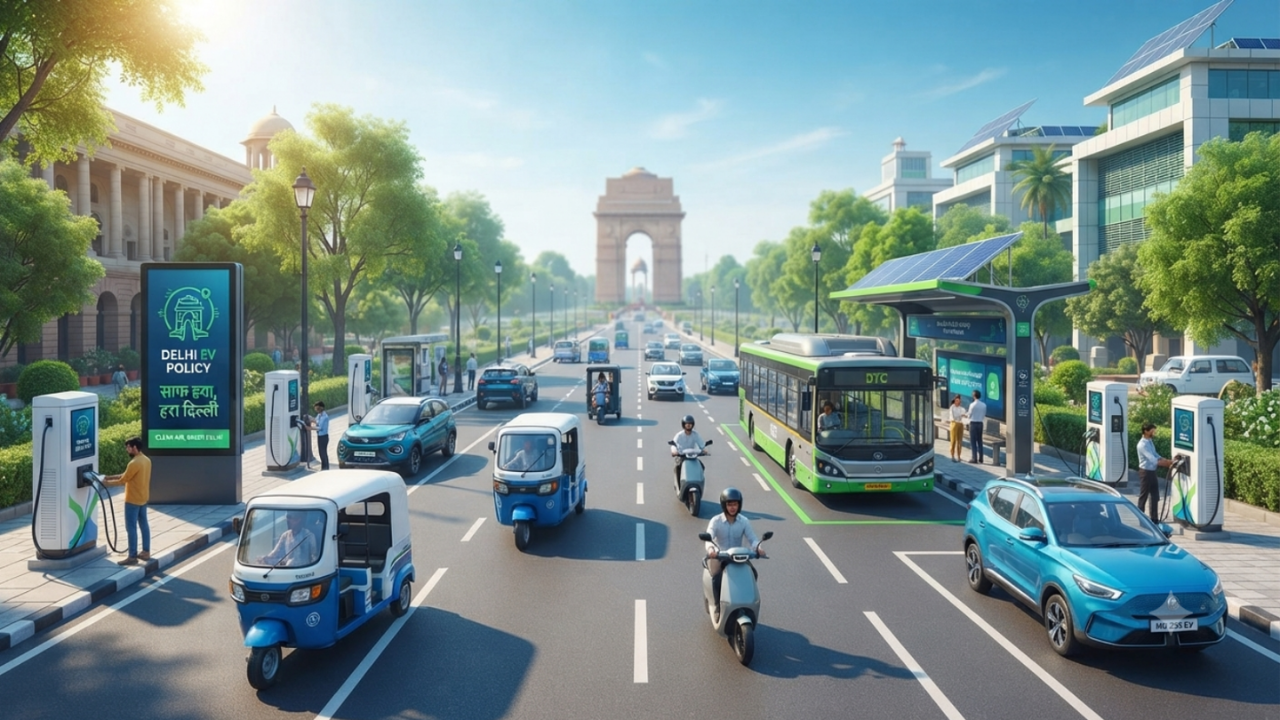
Delhi EV Policy 2026: Financial incentives, digital transparency and key changes explained

Delhi has officially launched its Electric Vehicles Policy 2026, effective July 1, 2026, aiming to boost EV adoption and improve air quality until March 2030. The policy offers significant tax exemptions for electric cars and substantial subsidies for two and three-wheelers. It also mandates the phasing out of petrol and CNG two-wheeler registrations by April 2028, alongside a Rs 15,000 crore investment and plans for over 30,000 charging points.

Trump Earned Over $1.4 Billion In 2025 As Crypto Ventures Become Biggest Source of Income

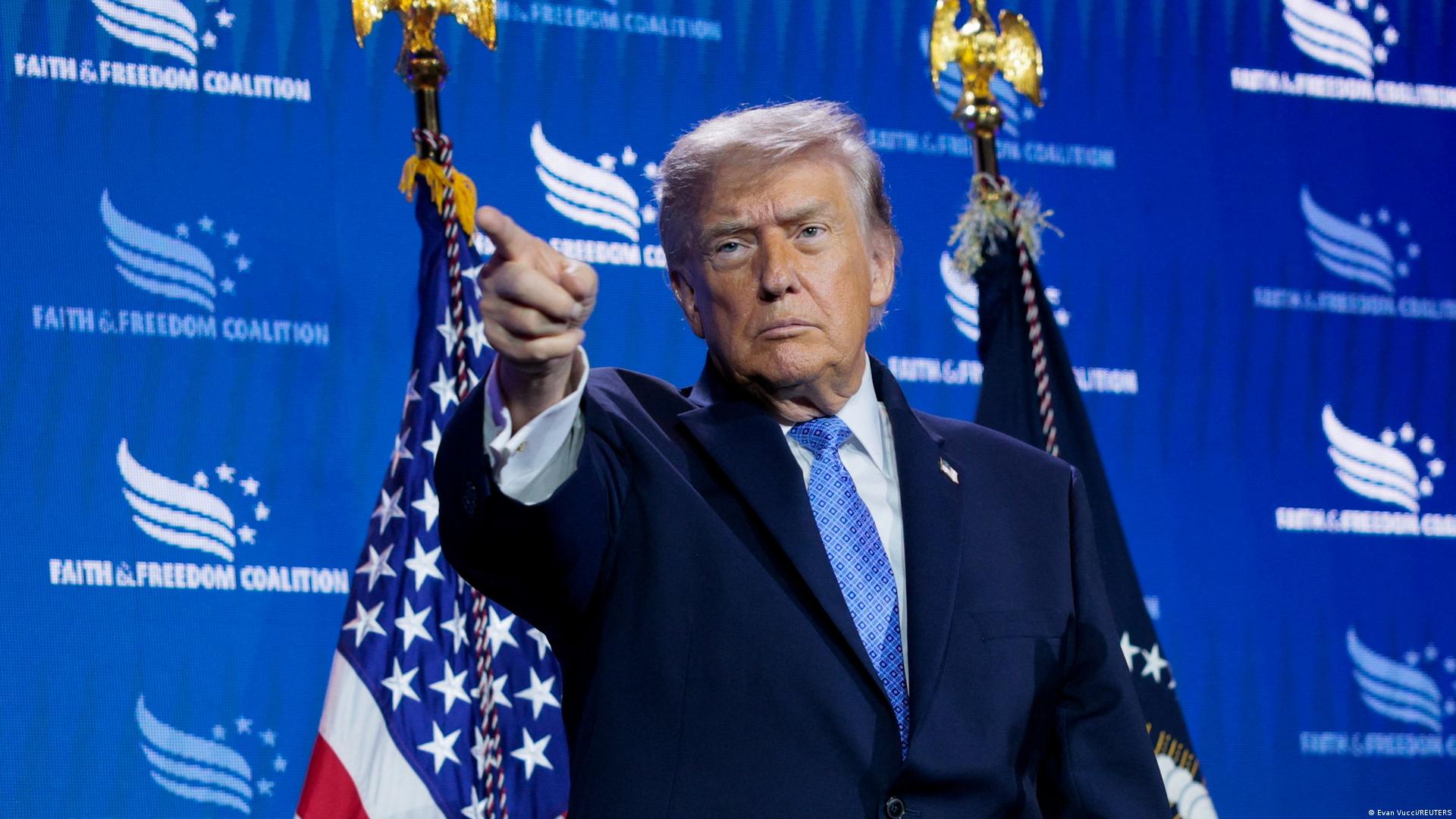
Edited by: Srinivas Mazumdaru US President Donald Trump reported more than $1.4 billion (€1.23 billion) in income in 2025, driven largely by cryptocurrency ventures, according to annual financial disclosures released on Tuesday. The filings with the US Office of Government Ethics showed Trump-related ventures made: $800 million from crypto platform World Liberty Financial received by Trump's companies This included more than $520 million from token sales and over $250 million from selling interests in the business $635 million from the sale of his Trump meme coins $80 million from legal settlements with media companies $52 million from licensing his name to overseas property developments, and over $500 million in revenue from golf courses and resorts World Liberty Financial is a crypto venture co-founded by Trump and his sons, and the president splits the earnings with his family members. Crypto industry flourished under Trump The disclosures underscore the growing importance of digital assets to Trump's finances. The crypto industry has flourished under the Trump administration. Since taking office, Trump has introduced policies seen as favorable to the sector, including federal rules for stablecoins and reduced regulatory enforcement. Reuters has estimated the Trump family has earned at least $2.3 billion from crypto-related projects since he returned to the White House in 2025. White House denies conflicts of interest White House spokesperson Anna Kelly denied any conflicts of interest in a statement. "All actions by President Trump and his administration are taken in the best interest of the American people…" Kelly said. Despite the White House claiming the president's business interests are overseen by his children at present, Trump remains the beneficiary of the assets in the trust that ultimately receives the income. Regulators express concerns Don Fox, a former acting head of the federal ⁠ethics office, called for additional ethics reforms as, according to him, under Trump earlier norms "are just totally out the window." Chinese billionaire Justin Sun spent $75 million on Trump-backed World Liberty "governance tokens" and another $200 million on its souvenir coins, the Associated Press news agency reported. A federal fraud lawsuit against Sun was paused in February last year before being settled with a $10 million fine. Sun has repeatedly denied that his investments in Trump-linked businesses were connected to the case, while World Liberty has dismissed allegations of a conflict of interest. Disclaimer: This report first appeared on Deutsche Welle, and has been republished on ABP Live as part of a special arrangement. Apart from the headline, no changes have been made in the report by ABP Live.

Venezuela Twin Earthquakes Death Toll Nears 2,000 As Rescue Hopes Fade

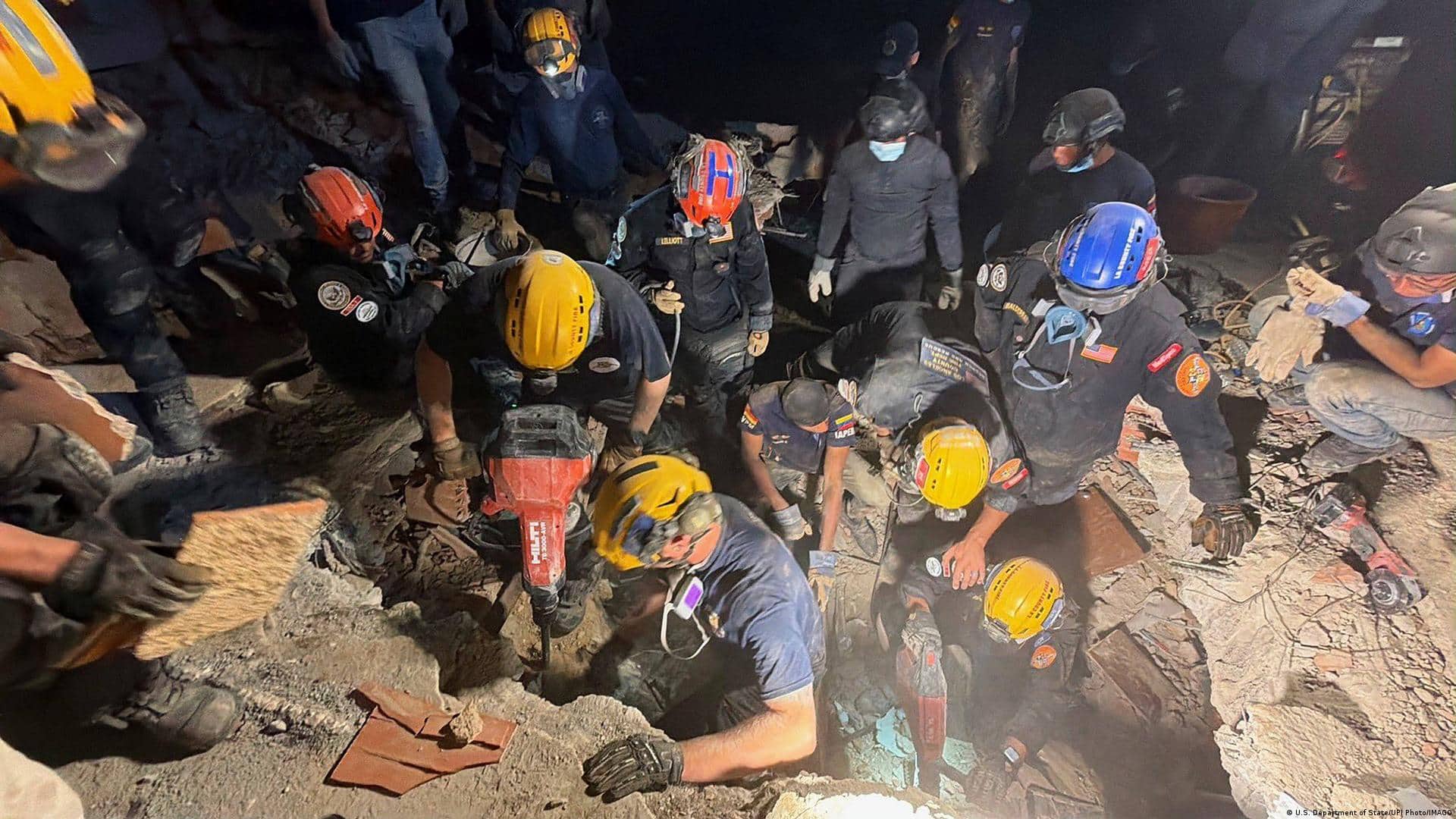
Edited by: Srinivas Mazumdaru Rescuers in Venezuela raced to find survivors on Tuesday, nearly a week after twin earthquakes devastated parts of the country. Following the magnitude 7.2 and 7.5 earthquakes striking just seconds apart last week, according to numbers collated by the Venezuelan government, opposition, UNICEF, and National Aeronautics and Space Administration (NASA): at least 1,943 people were killed more than 10,500 injured about 16,000 left homeless more than 6,400 people rescued around 43,000 remain missing about 680,000 children in need of humanitarian assistance, and 59,000 buildings were damaged ALSO READ | Big Win For Indian Immigrants As US Supreme Court Rejects Trump's Birthright Citizenship Order What is the situation of the rescue operations? However, the pace of rescues has slowed sharply as the critical survival window of 72 hours has closed. Rescuers are hoping to find survivors, but now are also looking for the dead. On Tuesday, rescue teams from Ecuador and the US halted operations in Macuto, La Guaira, after they stopped receiving responses from a mother and her three children trapped beneath the rubble of a building after more than 40 hours of trying ​to get them out. "In the end, we believe the days have already passed and that what we will find now is death," said Major Jorge Montanero, leader of the Ecuadorian team. Hope still lingers in some cases as a Jordanian rescue team pulled a three-year-old boy alive from the rubble in Caracas on Tuesday, one of the few survivors found in recent days. ALSO READ | Taliban Launches Fresh Border Strikes On Pakistan After Deadly Air Raids; Tensions Escalate Along Frontier What are the aid agencies saying? Meanwhile, aid agencies warned of worsening hunger, disease and an overwhelmed healthcare system. The World Food Programme (WFP) has appealed for $50 million (€43.83 million) to provide emergency food assistance to up to 500,000 people over the next three months. The World Health Organization (WHO) warned on Tuesday of the strain on Venezuela's healthcare system. WHO said at least three health centers were critically damaged and six others only partially functional. Christian Lindmeier, the WHO spokesperson, sounded the alarm bells over the spread of measles, malaria, yellow fever and dengue among the thousands of displaced due to lack of sanitary facilities and low inoculation rates. (Disclaimer: This report first appeared on Deutsche Welle, and has been republished on ABP Live as part of a special arrangement. Apart from the headline, no changes have been made in the report by ABP Live. for DW)  

Germany Heat Wave Sparks Political Debate Over Climate Action

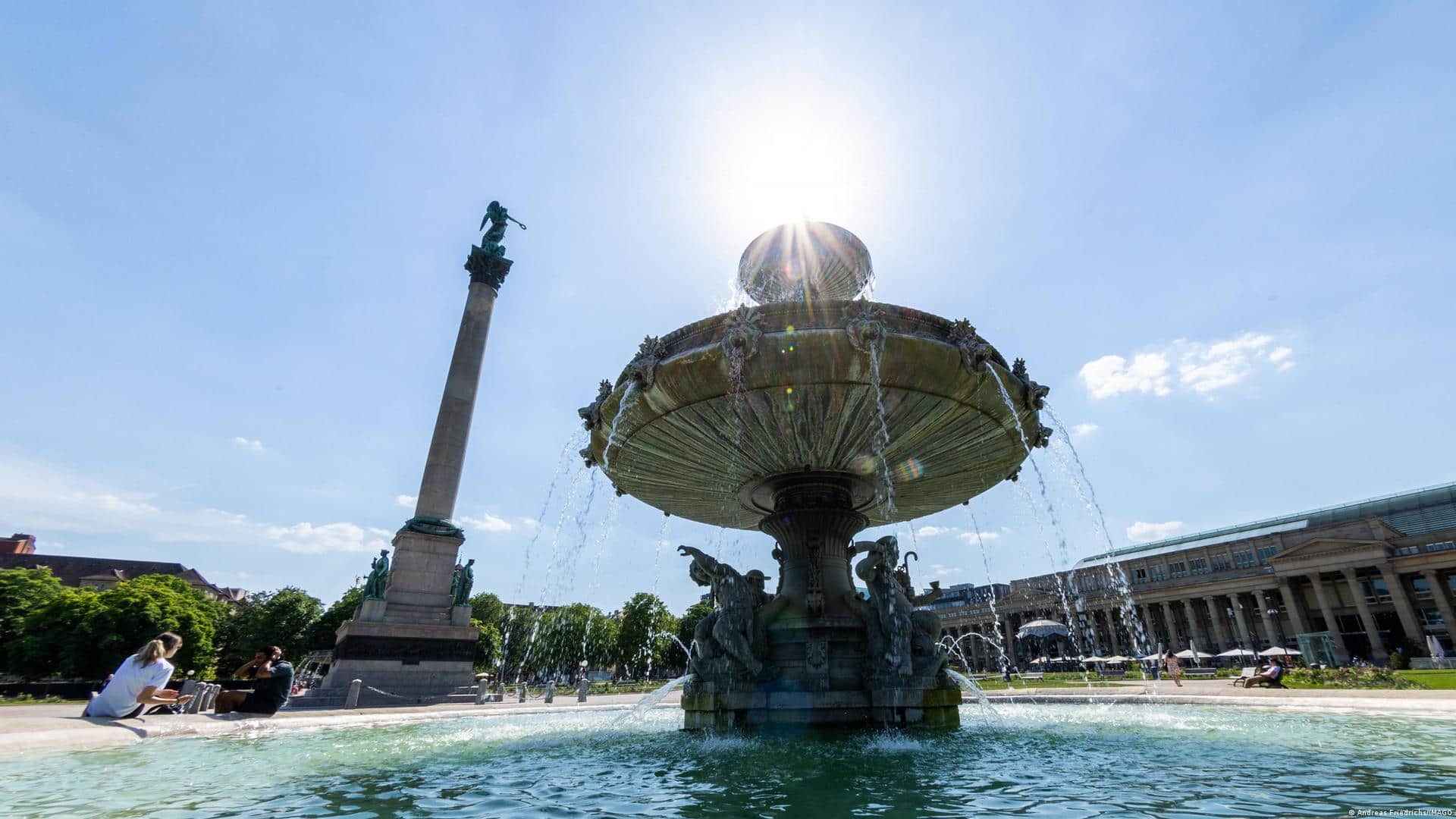
This last weekend saw recording-breaking temperatures exceeding 40 degrees Celsius (104 degrees Fahrenheit). These are life-threatening situations for retirement and nursing homes and hospitals with little or no air conditioning. One reason for this is that Germany doesn't have any national heat protection regulations that would require cooling systems in such facilities. Infrastructure was also affected, with trains and trams unable to function and the asphalt on many roads cracking. Experts have been issuing warnings for a long time. Speaking on Deutschlandfunk Radio (DLF), Andreas Becker, a climate expert at the German Weather Service, said that temperatures in Germany are rising steadily and will continue to do so in the coming years. Europe hit hardest by global warming According to the Federal Environment Agency, around 50 hectares of land were turned into residential, transportation and commercial areas in Germany every single day between 2021 and 2024. In other words: Every day in Germany, 70 soccer fields' worth of natural areas disappeared. Sealing soil prevents rainwater from seeping into the ground, leading to severe flooding during heavy rainfall. In addition, sealed surfaces can no longer allow water to evaporate, causing cities to heat up excessively and creating dangerously hot urban areas. So, what can policymakers do to ensure the country is better prepared for extreme temperatures in the future? Plans for cities already exist, but implementing them takes time and is expensive. Environment Minister Carsten Schneider from Germany's center-left Social Democratic Party (SPD) said Monday on public broadcaster ARD that he does not believe it is up to the federal government in Berlin to lead the way in adapting to climate change. "The responsibility lies with the federal states and municipalities," he said. "For example, I cannot even provide financial support because Germany's Basic Law prohibits me from doing so." The environment minister did promise to discuss with his conservative coalition partners the possibility of amending the Basic Law so that the federal government could take a more active role in implementing such changes. But he added that states and municipalities do have around €100 billion ($114 billion) available for climate projects thanks to the €500 billion infrastructure program approved after last year's federal election. Climate Council: Germany set to miss its own CO2 reduction targets Greenhouse gases are primarily generated by burning fossil fuels. They act as an insulating blanket around Earth, causing global temperatures to rise. Germany is committed to cutting its greenhouse gas emissions by about 65% by 2030, as measured against 1990 levels and has already achieved 48% of that goal. But many experts do not believe the government can meet its promised target. Even with a strong climate policy, the effects of the greenhouse effect are expected to intensify in Germany over the next few years, as these are a consequence of CO2 emissions from previous years. The current government, led by Chancellor Friedrich Merz of the conservative Christian Democratic Union (CDU), however, is once again allowing the installation of new oil and gas heating systems. Greenpeace proposes an ecological tax on billionaires Martin Kaiser, head of International Climate Politics at Greenpeace Germany, told DW, "Many municipalities are already heavily in debt, meaning the special fund alone is insufficient, for example, to quickly eliminate heat-absorbing concrete surfaces, create water-retaining green spaces, or plant shade-providing trees. Such measures require long-term public support and investment and cannot be financed by one-time investments alone." Greenpeace has proposed an environmental tax on billionaires as a solution; however, there does not currently appear to be enough support for this within the governing coalition. Germany's opposition parties have been quick to criticize the government. The chair of the socialist Left Party, Ines Schwerdtner, said that more needs to be invested in public transport — especially in cities — so that buses and trains can operate safely even during extreme heat. Green Party leader Felix Banaszak called for providing direct support — without red tape — to particularly vulnerable facilities such as retirement and nursing homes. Banaszak also commented on the government's failure to issue a statement during the heat wave: "One gets the feeling that Friedrich Merz and his government have agreed to keep quiet on the issue and were simply hoping to avoid having to say anything about the situation until it rains again," he told reporters. Climate protection has lost much of its urgency What's more, most Germans don't seem as concerned about climate protection as they once were. In a nationwide survey published in early June by the polling institute infratest-Dimap, only about 10% of respondents said that environmental protection and climate change were the most important or second-most important issues for them. Instead, issues such as the economic downturn and immigration topped the list. That said, the survey was conducted before Germany experienced its hottest heat wave to date. This article was translated from German. Disclaimer: This report first appeared on Deutsche Welle, and has been republished on ABP Live as part of a special arrangement. Apart from the headline, no changes have been made in the report by ABP Live.

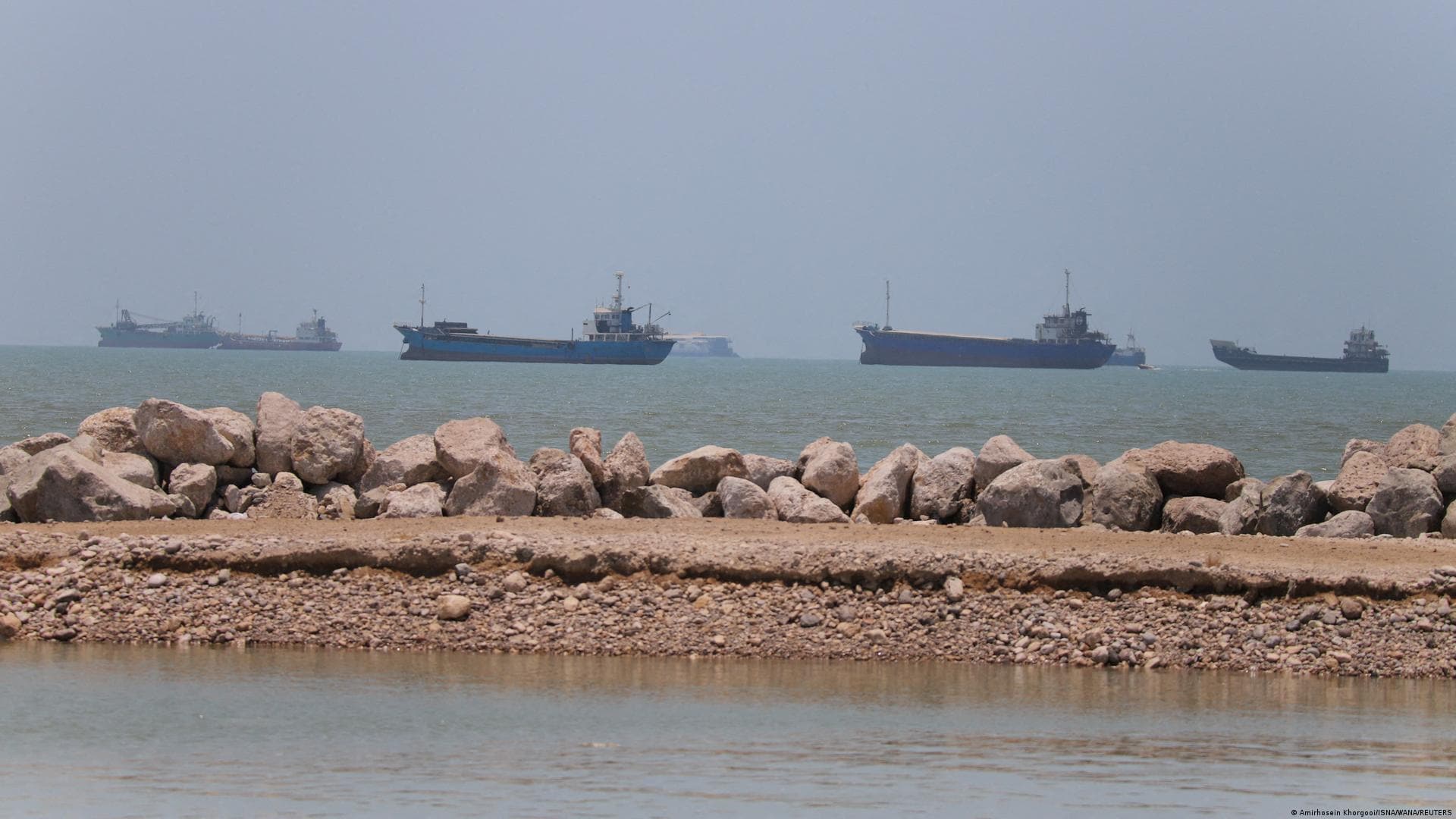
Strait Of Hormuz Standoff: Iran Refuses To Back Down As US Warns Of War

Qatar Reaffirms Mediation Role In US-Iran Talks According to a statement from Qatar's Foreign Ministry cited by Reuters, Qatari Prime Minister Sheikh Mohammed bin Abdulrahman al-Thani affirmed his country's continued mediation efforts and its support for all tracks of talks stemming from the memorandum of understanding (MoU) between the US and Iran. The premier's remarks came during a meeting with US envoy Steve Witkoff and President Donald Trump's son-in-law, Jared Kushner. They discussed developments in ongoing US-Iran talks. Earlier, Qatar stated that no high-level meetings or direct talks were planned between US and Iranian representatives. Iran Negotiator Says Tehran Will Never Compromise On Hormuz 'Rights' In an ‌interview ​with state TV, Iran's top negotiator and Parliament Speaker Mohammad Bagher Qalibaf said that current meetings being held by Iran aim to fulfill the commitments of the memorandum of understanding (MoU). He added that Tehran will not enter into further negotiations until the conditions of the MoU signed ​between Iran and the ​United ‌States are met. "We are pursuing dialogue, but if the dialogue is not implemented, we are also prepared for war and will respond accordingly," Qalibaf said. He also stressed that Iran has sovereignty in the ​Strait of Hormuz along with Oman and it ⁠will ​never compromise ​on its rights over the critical waterway. He added passage ​without ⁠cost in the strait is only ⁠for ​60 days per MoU. Officials with the administration of US President Donald Trump have insisted that passage through the strait remains toll free. Over the weekend, Trump accused Iran violating the tentative terms of the agreement and warned the US may "be forced to militarily complete the job.” Qalibaf also said that Iran has exported over 40 million barrels of oil since the end of the maritime blockade, adding that the country is now selling oil at a price 20% higher than before. Netanyahu: Israel To Remain In Southern Lebanon As Long As Hezbollah Poses 'Threat' During a visit with Israeli troops in southern Lebanon, Israeli Prime Minister Benjamin Netanyahu vowed that his country's forces would stay in the area as long as Iran-backed Hezbollah remained a "threat." "Our insistence is that we will not leave southern Lebanon until the threat is eliminated. And as long as Hezbollah is armed and present here, posing a threat to us — we will remain here," Netanyahu said according to a statement from his office. "Since we have achieved — thanks to your operations here — Lebanon's recognition of Israel and Israel's recognition of Lebanon, we say to both Iran and Hezbollah: get out of here, you have no business being here," the Israeli prime minister also said. During his visit, Netanyahu was joined by Defense Minister Israel Katz and other senior military officials. Israeli troops entered Lebanon on March 2 after Hezbollah fired upon northern Israel in response to the US and Israel attacking Iran on February 28. Israeli troops are operating in a self-declared "security zone" stretching 10 kilometers (six miles) deep into Lebanese territory along the border. Netanyahu's comments came after Lebanon and Israel signed a framework agreement last week under US sponsorship to pave the way for peace and disarm Hezbollah. According to the agreement, Israeli forces will withdraw from two "pilot zones" in southern Lebanon and allow the Lebanese Armed Forces to take control of the areas. Iran Says It Has No Plans To Meet With US Envoys Iran's Foreign Ministry spokesman, Esmail Baghaei, said that Iran does not plan to meet with the American side in the next few days. "No meeting at any level with the American side has been scheduled for the coming days," he said. However, Iran is sending a delegation to Qatar for a meeting on Wednesday. "What will take place in Doha tomorrow is a discussion with the Qatari side about implementing parts of the memorandum of understanding, including the release of Iran's blocked assets,” Baghaei told journalists. US envoys Steve Witkoff and Jared Kushner have already traveled to the Qatari capital, Doha. However, they won't be having direct negotiations with Iranian diplomats while in Doha, said Majed al-Ansari, a spokesman for Qatar's Foreign Ministry. Instead, mediators are working for the time being as go-betweens for the talks, which won't include any high-level officials, he added. US Citizen Living In Israel Accused Of Spying for Iran Israeli police arrested a 20-year-old US citizen suspected of spying for Iranian intelligence. According to Israeli news outlets citing police sources, the man, who lives in the Jerusalem area, photographed and filmed "sensitive locations" in Israel. He allegedly received hundreds of dollars per assignment. The man is expected to be charged with contacting a foreign agent and endangering Israel's national security. Police stated that he was taken into custody on June 9 in cooperation with Shin Bet, Israel's domestic intelligence service, based on information from international security agencies. According to the Israeli media, police have requested that the court keep the young man in custody until the end of legal proceedings against him. Qatar Says US Envoys Steve Witkoff, Jared Kushner In Doha US envoys Steve Witkoff and Jared Kushner have traveled to Qatar's capital Doha and will be meeting mediators in the peace process between the US and Iran, with the fighting in Lebanon also on the agenda, a spokesman for the Qatari Foreign Ministry told reporters. However, the spokesman denied earlier reports that US delegates will also meet Iranian negotiators. "To the best of my knowledge, there are no direct meetings scheduled between the two parties in the coming days," Foreign Ministry official Majed Al Ansari said. READ: How The Iran War Has Disrupted Abu Dhabi's AI Strategy After the United States and Israel attacked Iran in February, the UAE became one of Iran's key targets. Over the course of the war, thousands of Iranian missile and drone strikes were aimed at local offices and data centers operated by global companies such as Amazon, Google, Microsoft and Nvidia. "Data centers have long become critical infrastructure and need to be better protected just like oil refineries or desalination plants," Sebastian Sons, a senior researcher at the German think tank CARPO, told DW. Read our full story on how the Iran war affected Abu Dhabi's high-tech push here. Unknown Attackers Kill 2 Members Of Iran's Revolutionary Guard Corps Two members of Iran's Islamic Revolutionary Guard Corps (IRGC) have been shot dead at home in "a terrorist and cowardly act," Iranian state media have reported. Two other IRGC members were wounded in the same shooting in the western city of Paveh, which is near the border with Iraq's Kurdistan region, the reports said. The attackers have not yet been identified. In the past, Tehran often blamed Kurdish separatist groups for the violence in the region, linking them to the US and Israel. In a separate incident in the southeastern town of Saravan in Sistan-Baluchistan province on Monday, a vehicle carrying a family was "sprayed with bullets," with the father killed immediately and the mother dying of her wounds some time later, state television reported. The broadcaster blamed that attack on "Zionist-American mercenaries," a term frequently used by Iranian authorities for separatist and militant groups. Iran's Sistan-Baluchistan borders Pakistan and Afghanistan. The region has long been a hotspot for clashes between security forces, insurgents and drug smugglers. Germany Wants 'Safe, Free Passage Through The Strait Of Hormuz' The German Foreign Ministry has warned that the Iranian war situation remains "fragile" and urged more talks between Washington and Tehran. "The agreement between the US and Iran to stop mutual attacks and continue to negotiate is an important step and opens a chance for diplomacy," German diplomats said on X. "Now, it is a matter of achieving a sustainable solution for the safe, free passage through the Strait of Hormuz, and, in particular, for the Iranian nuclear program, which must no longer pose a danger," it added. The statement comes after German Foreign Minister Johann Wadephul held talks with his US counterpart, Marco Rubio, in Washington. Trump Announces Qatar Meeting But No Confirmation From Tehran US President Donald Trump said US and Iranian delegations are due to hold talks in the Qatari capital, Doha, on Tuesday. On Monday, Trump posted on his Truth Social platform that Iran had "requested" a meeting that "will take place tomorrow in Doha." He later said the meeting was "going to be perhaps important, perhaps not." Tehran, however, has rejected reports that talks with the US were imminent. The Iranian news agency ISNA quoted Deputy Foreign Minister Kazem Gharibabadi as saying that a meeting would take place "as soon as the conditions are in place and agreement has been reached on the date and venue." "No technical working group meetings are scheduled for this week," the Iranian official added. However, he also confirmed there would be consultations via intermediaries. Disclaimer: This report first appeared on Deutsche Welle, and has been republished on ABP Live as part of a special arrangement. Apart from the headline, no changes have been made in the report by ABP Live. for DW

iPhone 18 Pro Drop Test Video Leaks Online: Here's How It Looks

iPhone 18 Leaks: Apple has always been secretive about its upcoming products, but a major data breach at one of its suppliers has forced details of the iPhone 18 Pro into the public eye well before its expected September reveal. A video showing what appears to be an iPhone 18 Pro drop test has been circulating on social media after Tata Electronics, an India-based Apple supplier, suffered a cybersecurity incident last week. The footage, though unverified, has already grabbed the attention of the Apple community and sparked debate over whether it is real or AI-generated. What Did Leaked Drop Test Video Actually Show? The clip, initially shared on X (formerly Twitter) by well-known leaker Ice Universe before being taken down, shows an alleged iPhone 18 Pro undergoing a drop test, which is a standard part of durability testing for smartphones. Ice Universe commented, "This is easily the biggest leak in Apple's history. You're looking at the drop test of the iPhone 18 Pro. Durability seems solid, but it's still surprisingly thick, and the weight remains a concern. The new colour looks pretty good, though." ALSO READ: This Is What iPhone 18 Pro Could Look Like; Can You Spot The Difference From 17 Pro? According to Reuters, the breach at Tata Electronics led to more than 200,000 files being posted to the dark web. Among them are said to be drawings of the iPhone 18 Pro circuit board, the A20 chip, and supplier component lists. The video itself points to a refreshed rear design, featuring a metal and glass finish with a more uniform colour, moving away from the two-tone look seen on the iPhone 17. The rear camera lenses also appear to sit further out from the body than on the iPhone 17 Pro. The same clip, shot from a different angle, was posted by EVLeaks before also being removed. Who Else Shared The Video And Is It Still Up? While Ice Universe deleted his post within hours, the video shared by EVLeaks remains live. A side-by-side comparison posted by TechKard is also still up at the time of writing.  iPhone 18 Pro drop test from recent data breach at Apple supplier Tata Electronics.Via:@evleaks #Apple #iPhone18Pro https://t.co/9ZSojlOLSr pic.twitter.com/wdZs6dKuQP — Piyush Bhasarkar (@TechKard) June 30, 2026 Apple is expected to unveil the iPhone 18 Pro, iPhone 18 Pro Max, and reportedly an iPhone Fold at its September event, with September 8 being one date currently doing the rounds in speculation circles. ALSO READ: What Did Apple Do To Deserve A $38 Billion Fine In India? Here Is The Full Story The company will likely be working to contain the fallout and may also be assessing the impact this breach has on its relationship with Tata Electronics, a key part of its effort to shift supply chain operations away from China.

GST Collections Jump 13.9% To Rs 1.94 Lakh Crore In June On Strong Import Growth

New Delhi, July 1 (IANS) The gross Goods and Services Tax (GST) collections rose 13.9 per cent year-on-year to Rs 1.94 lakh crore in June, driven by strong growth in revenues from imports, according to official data released on Wednesday. Gross GST revenue stood at Rs 1,94,812 crore in June, compared with Rs 1,71,105 crore in the corresponding month last year. The increase was led by a 34.6 per cent jump in GST revenue from imports to Rs 60,038 crore, while gross domestic GST revenue rose 6.5 per cent to Rs 1,34,774 crore during the month. Net GST collections, after accounting for refunds, increased 11.2 per cent year-on-year to Rs 1,62,377 crore in June from Rs 1,45,984 crore a year ago. Total GST refunds rose almost 30 per cent to Rs 32,436 crore during the month, compared with Rs 25,121 crore in June last year. While domestic refunds increased 42.9 per cent to Rs 17,767 crore, and refunds on exports through ICEGATE rose 15.6 per cent to Rs 14,669 crore. Also Read : Nayara Cuts Petrol, Diesel Prices From July 1: Check Fuel Rates In Your City The data showed that net domestic GST revenue grew 2.6 per cent to Rs 1,17,007 crore, while net customs GST revenue surged 42.2 per cent to Rs 45,370 crore, reflecting robust import-related tax collections. On a cumulative basis, gross GST collections during the April-June period of the current financial year rose 8.4 per cent to Rs 6,31,699 crore from Rs 5,82,542 crore in the corresponding period of the previous fiscal. Meanwhile, net GST revenue for the first three months of FY27 increased 7.1 per cent year-on-year to Rs 5,40,218 crore, while total refunds during the period rose 16.8 per cent to Rs 91,482 crore. In May, the gross GST collections increased by over 3 per cent year-on-year. As per data, gross GST revenue stood at Rs 1,94,184 crore, compared to Rs 1,88,172 crore in the same month last year. Also Read : Commercial LPG Prices Cut, But 5-kg 'Chhotu' Cylinder Users Get No Relief (This report has been published as part of the auto-generated syndicate wire feed. Apart from the headline, no editing has been done in the copy by ABP Live.)

Bulls Return To Dalal Street: Sensex Climbs 550 Points, Nifty Regains 24,000

Market Update at 12:19 PM: The Indian benchmark indices traded firmly higher in noon deals on Tuesday, supported by buying in auto, FMCG and realty stocks. Investor sentiment remained positive even as market participants continued to monitor geopolitical tensions between the U.S. and Iran. At around 12:00 PM, the Nifty 50 was trading at 24,026.35, up 160.60 points or 0.67 per cent. The Sensex gained 559.95 points, or 0.73 per cent, to trade at 77,038.62. Among the Nifty 50 constituents, Mahindra & Mahindra, Titan Company, and Eternal emerged as the Top Gainers, contributing to the market's upward momentum. The broader market also remained in positive territory. The Nifty MidCap index advanced 0.42 per cent, while the Nifty SmallCap index gained 0.50 per cent, indicating broad-based buying across segments. On the sectoral front, the Nifty FMCG, Nifty Auto, and Nifty Media indices outperformed the broader market. In contrast, the Nifty Metal index was the biggest laggard during the session.   Market Update at 09:30 AM: Indian equity markets opened on a subdued yet positive note on Wednesday, with benchmark indices moving higher as investors closely tracked escalating tensions between the U.S. and Iran. Also Read : Commercial LPG Prices Cut, But 5-kg 'Chhotu' Cylinder Users Get No Relief As of 9:18 AM, the Nifty 50 was up 0.26 per cent, gaining 62.80 points to trade at 23,928.55, while the Sensex advanced 199.11 points or 0.26 per cent to 76,677.78. Broader markets outperformed the frontline indices, reflecting stronger participation from mid- and Small-Cap segments. The Nifty MidCap index rose 0.38 per cent, whereas the Nifty SmallCap index gained 0.78 per cent in early trade. On the sectoral front, buying interest was visible in select pockets. The Nifty Consumer Durables and Nifty Media indices led the gains, while the Nifty Metal index emerged as the top laggard, indicating pressure in metal stocks amid mixed global cues. Overall, market sentiment remained cautiously optimistic, with investors balancing domestic strength against geopolitical concerns and global uncertainty. Pre-Market Update at 7:46 AM: Indian equity markets are expected to open on a flat note on Wednesday, with mixed global cues influencing sentiment. Asian markets traded unevenly in early deals, while U.S. equities extended gains overnight, supported by sustained buying across major indices. The GIFT Nifty was trading near 23,976 at around 7:32 am, showing a discount of nearly 28 points versus Nifty futures’ previous close, but still indicating a mild positive start when compared with the Nifty 50’s prior close. This suggests early consolidation with a slightly positive bias for Indian markets. The first trading session of July brings seasonal optimism for traders. Historical data since 2009 shows that the Nifty 50 has delivered an average return of around 2.22 per cent in July, making it one of the stronger months for the index. The index has closed in the green nearly 70.6 per cent of the time during July sessions. It also recorded a five-year winning streak from 2020 to 2024 before ending last year with a decline of 2.93 per cent. Also Read : Nayara Cuts Petrol, Diesel Prices From July 1: Check Fuel Rates In Your City The Nifty 50 has fallen 8.5 per cent in H1CY26, marking its weakest January–June performance since 2020. Despite the weakness in Large-Cap indices, broader markets showed resilience, with around 27 small-cap stocks more than doubling investor wealth during the same period. However, key large-cap names such as Infosys, ITC, and HDFC Bank underperformed, while BHEL and Hitachi Energy India continued strong multi-year uptrends. Investor sentiment remains sensitive to geopolitical developments. Although the U.S. and Iran signed a memorandum of understanding on June 17 to ease ongoing conflict, renewed tensions over the weekend have raised doubts about progress. Reports also suggest limited high-level engagement between U.S. and Iranian officials in Doha. The Japanese yen weakened to a 40-year low, hitting 162.28 per U.S. dollar, intensifying speculation about possible intervention by Japanese authorities as currency volatility rises globally. Gold remained firm above USD 4,000 per ounce, with spot prices at USD 4,013.75. Silver gained 1.2 per cent to USD 58.98 per ounce. Despite geopolitical tensions, gold has declined around 24 per cent since the Iran conflict began in late February, breaking below key technical levels. Oil prices edged higher on renewed geopolitical concerns. Brent crude rose 0.69 per cent to USD 73.45 per barrel, while WTI gained 0.91 per cent to USD 70.13 per barrel after reports suggested stalled U.S.–Iran talks. The U.S. dollar strengthened further, pushing the yen to its weakest level since 1986. The dollar index gains were supported by expectations of additional Federal Reserve tightening, strong economic data, and inflation resilience. Put-Call Ratio (PCR) stood at 0.88, with strong put open interest at the 23,400 strike and strong call open interest at the 24,000 strike. Options data suggests a key range between 23,400 and 24,000, with resistance pressure building near the upper end. The Nifty 50 has seen two consecutive sessions of decline, indicating profit booking and mild loss of momentum, but it continues to trade above its 20-day and 50-day exponential moving averages, keeping the broader trend intact. Key support is placed at 23,800, while resistance is seen in the 24,200–24,500 range. A sustained break below 23,800 may trigger a decline toward 23,700–23,650 levels, while holding above this zone may lead to consolidation with a positive bias. No stocks are under the F&O ban for July 1. On June 30, FIIs were net sellers at Rs 2,556.75 crore while DIIs were net buyers at Rs 6,842.34 crore, indicating continued domestic support in the market. On Tuesday, Indian equities ended lower with Sensex falling 249.70 points (0.33 per cent) to 76,478.67 and Nifty 50 declining 80.50 points (0.34 per cent) to 23,865.75. U.S. markets closed higher, with Dow Jones rising 0.26 per cent to 52,319.20, S&P 500 gaining 0.79 per cent to 7,499.36, and Nasdaq jumping 1.52 per cent to 26,213.72, led by strength in technology stocks.  (“Disclaimer: This article uses information originally published by Dalal Street Investment Journal (DSIJ). The views expressed are those of the original authors and not necessarily of ABP Network Pvt. Ltd. This content is provided for general informational and educational purposes only and should not be construed as investment, financial, legal or tax advice. Readers are advised to conduct their own research and/or consult a qualified financial advisor before making any investment decisions. This content is for informational purposes only and should not be treated as investment advice. ABP Network, its employees and associates shall not be responsible or liable for any losses or damages arising directly or indirectly from the use of or reliance on this article or any information contained herein.”)

Tata Sierra EV Vs Harrier EV Vs Curvv EV: Which Electric SUV Should You Buy?

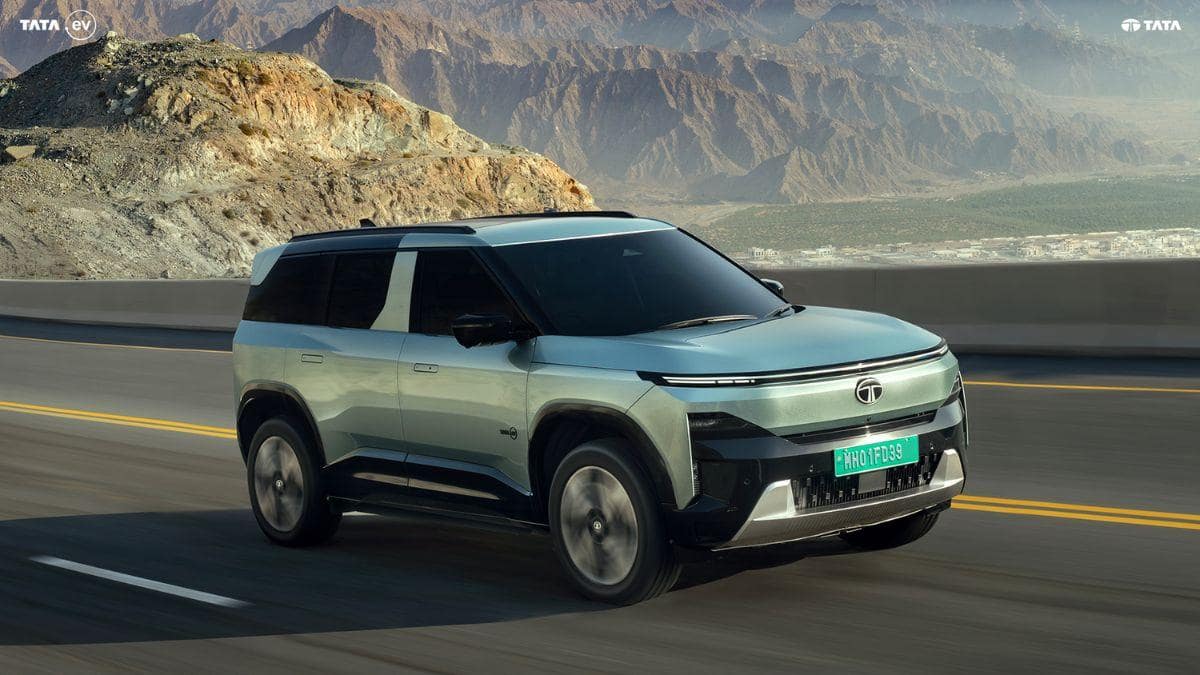
Tata has the biggest EV range in India and has added another new product with the Sierra EV. Here we look at the inevitable comparison between the Currv EV and the Harrier EV to see where it fits in the range. Price and Range Comparison The Sierra EV is priced between Rs 18.7 lakh to Rs 25.9 lakh for the QWD variant. The Harrier EV meanwhile is priced between Rs 21.4 lakh to Rs 30 lakh. The Curvv EV is priced between Rs 16.9 lakh to Rs 19.4 lakh. Depending on the battery pack the Sierra EV has a range of 535km to 665km which is quite impressive considering the segment and it is more than rivals. The Harrier EV has slightly more range though at 538km to 627km. The Curvv meanwhile has the lowest range at 500km. While the Harrier and Sierra EV have larger battery packs the Curvv has a smaller one. Also Read : Tata Sierra EV Launched: More Power Than Any Compact SUV  Features and Verdict Both the Harrier EV and the Sierra EV are very well equipped especially the AWD variants. All cars have the panoramic sunroof but the Sierra and Harrier have the biggest ones. The Sierra has the more modern interior and nearly has all of the features except for the larger touchscreen, digital mirror and some small features. Else the Sierra has the summon mode, 540 degree camera, auto park and more. Which one to buy? The Sierra EV is the overall choice here because of its price, space features and range while the Harrier EV is slightly more premium and has more road presence. The Curvv EV is the more affordable option.

India plans 30-day LPG storage buffer after Iran war exposes Hormuz supply risk

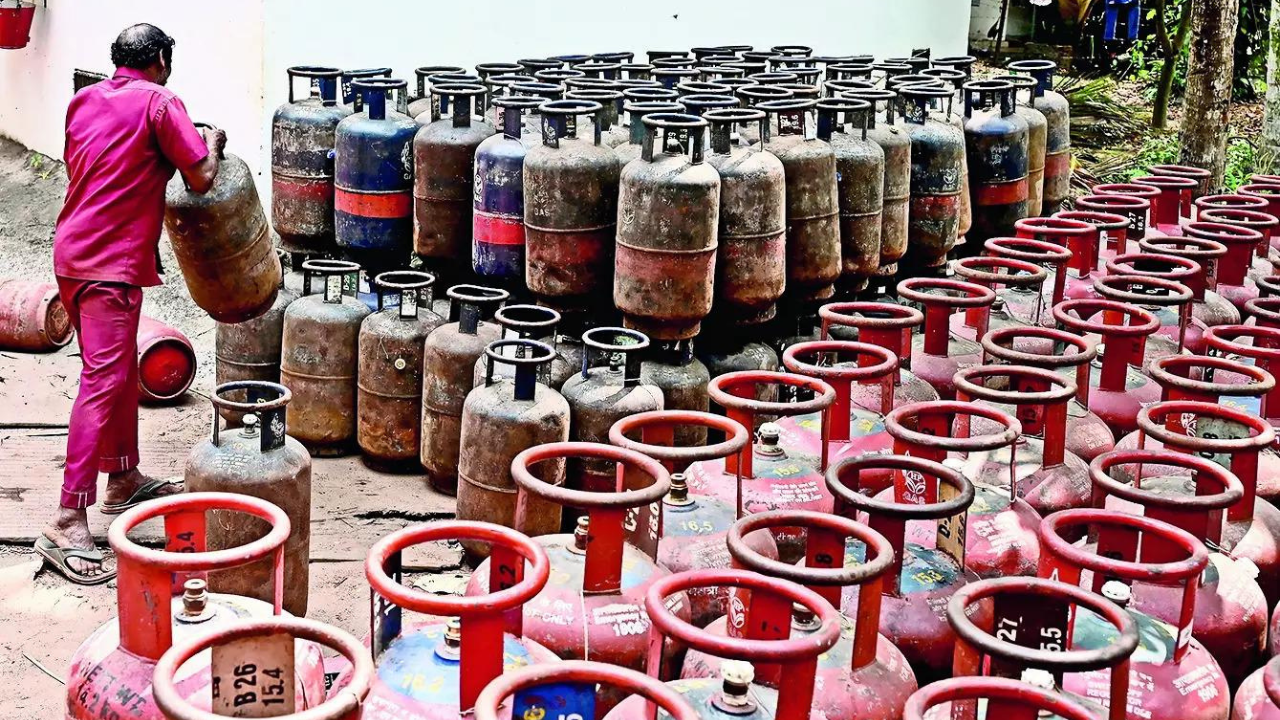
India is bolstering its energy security by planning a 30-day strategic LPG reserve following Middle East conflict concerns. State-run oil companies are set to invest significantly in expanding storage capacity, exploring options like onshore facilities, underground caverns, and floating storage. This move aims to mitigate risks associated with disruptions through the Strait of Hormuz, a critical shipping route for a large portion of India's LPG imports.

GST revenue grows 13.9% in June, collections touch Rs 1.94 lakh crore

India's GST collections surged 13.9% to Rs 1.95 lakh crore in June 2026, fueled by a significant 34.6% jump in import tax revenues. This robust growth, despite global uncertainties, highlights the maturing and resilient nature of India's tax system. Increased refund disbursements also supported business liquidity, demonstrating improved tax administration and a predictable revenue framework.

This Is What iPhone 18 Pro Could Look Like; Can You Spot The Difference From 17 Pro?

iPhone 18 Leaks: Apple's next iPhone Pro is already making rounds online, and not because Apple announced anything. Design details of the iPhone 18 Pro surfaced following a data breach at Tata Electronics, one of Apple's key manufacturing partners. Based on what has leaked so far, the iPhone 18 Pro may look largely similar to the iPhone 17 Pro on the outside.  However, on the inside, the changes could be more significant, covering the chip, camera, display cutout, modem, and battery. Will iPhone 18 Pro Get Apple's First 2nm Chip? Reports suggest the iPhone 18 Pro could ditch the 3nm A19 Pro chip and move to a new A20 Pro processor built on a 2nm architecture. This would mark Apple's first time using a 2nm chip inside an iPhone, and the performance jump could be noticeable. According to reports, the A20 Pro could deliver 10 to 15% higher performance compared to its predecessor, while also improving power efficiency by up to 30%. That kind of efficiency gain matters a lot, especially as Apple pushes more on-device Apple Intelligence features that would otherwise rely on cloud processing. ALOS READ: What Did Apple Do To Deserve A $38 Billion Fine In India? Here Is The Full Story Apple is also said to be moving to Wafer-Level Multi-Chip Module (WMCM) packaging. In simple terms, this means the LPDDR6 RAM would be stacked directly on the same package as the CPU, GPU, and Neural Engine. The result could be noticeably lower latency and some extra internal space freed up inside the device. Could iPhone 18 Pro Finally Get Variable Aperture Camera? The camera changes on the iPhone 18 Pro could be among the most significant in recent years. While the iPhone 17 Pro uses a fixed aperture 48MP primary camera, the iPhone 18 Pro is rumoured to feature a mechanical variable aperture system. This means the lens opening could physically expand or contract based on lighting conditions, similar to how DSLR cameras work. In bright light, the aperture can close down to avoid overexposure. In low light, it can open wider to let in more light. Beyond still photography, this could also benefit video creators by enabling more cinematic motion blur through mechanical exposure control, reducing dependence on digital processing or external ND filters. One trade-off, however, is that fitting this system may require a larger camera assembly, which could reduce the overall camera island size by around 2mm. How Much Smaller Could Dynamic Island Get On iPhone 18 Pro? The Dynamic Island, which debuted on the iPhone 14 Pro, could get a significant size reduction on the iPhone 18 Pro. Leaks point to a width of approximately 13.49mm, compared to the 20.76mm cutout on the iPhone 17 Pro. That works out to a reduction of roughly 25 to 35%. The shrinkage is reportedly possible because Apple has relocated parts of the Face ID system beneath the display. Specifically, the infrared flood illuminator is said to have been moved under the active OLED panel, leaving only the TrueDepth camera visible in the cutout. The iPhone 18 Pro is also expected to come with an upgraded LTPO+ display, which could offer more refined refresh-rate control and better battery efficiency compared to the current ProMotion setup. What Could Apple's New In-House C2 Modem Change? The iPhone 18 Pro is tipped to be the first iPhone to feature Apple's second-generation in-house modem, called the C2. Compared to the C1 modem, the C2 is expected to bring tighter integration with the A20 Pro chip, better power efficiency, faster 5G reconnection, improved mmWave support, and lower battery drain during mobile data use. ALSO READ: Amazon Sued For Adding Ads To Prime Video Without Subscriber Consent Reports also suggest the C2 modem could expand Apple's satellite connectivity beyond emergency messaging, with some leaks pointing to basic internet access through low-Earth-orbit satellite networks when regular cellular service is unavailable. The modem is also said to include a "Limit Precise Location" privacy feature aimed at reducing carrier-based location tracking. Is iPhone 18 Pro Getting A Bigger Battery? Battery life could also see a modest improvement. The iPhone 18 Pro is said to carry a 4,288mAh battery, slightly larger than the 4,252mAh cell reportedly found in the iPhone 17 Pro. When combined with the efficiency gains from the 2nm chip and the LTPO+ display, the real-world battery backup could still show meaningful improvements despite the small size difference. As for the iPhone 18 Pro Max, reports suggest it could house a battery between 5,100mAh and 5,200mAh, which would make it the largest battery ever fitted inside an iPhone. A few smaller design changes are also expected. The Camera Control button may shift to a pressure-sensitive design, dropping the capacitive swipe gestures. The rear glass could also get a cleaner frosted finish around the MagSafe ring area. That said, none of this is confirmed yet. The iPhone 18 Pro is expected to launch globally alongside the iPhone 18 Pro Max and iPhone Ultra in September.

//