Language Settings
Select Website Language
newshunt
newshunt

Filters

Channels
Topics
Other Filters

iPhone 18 Pro Leaks: 10 Reasons You Should Already Be Saving Up

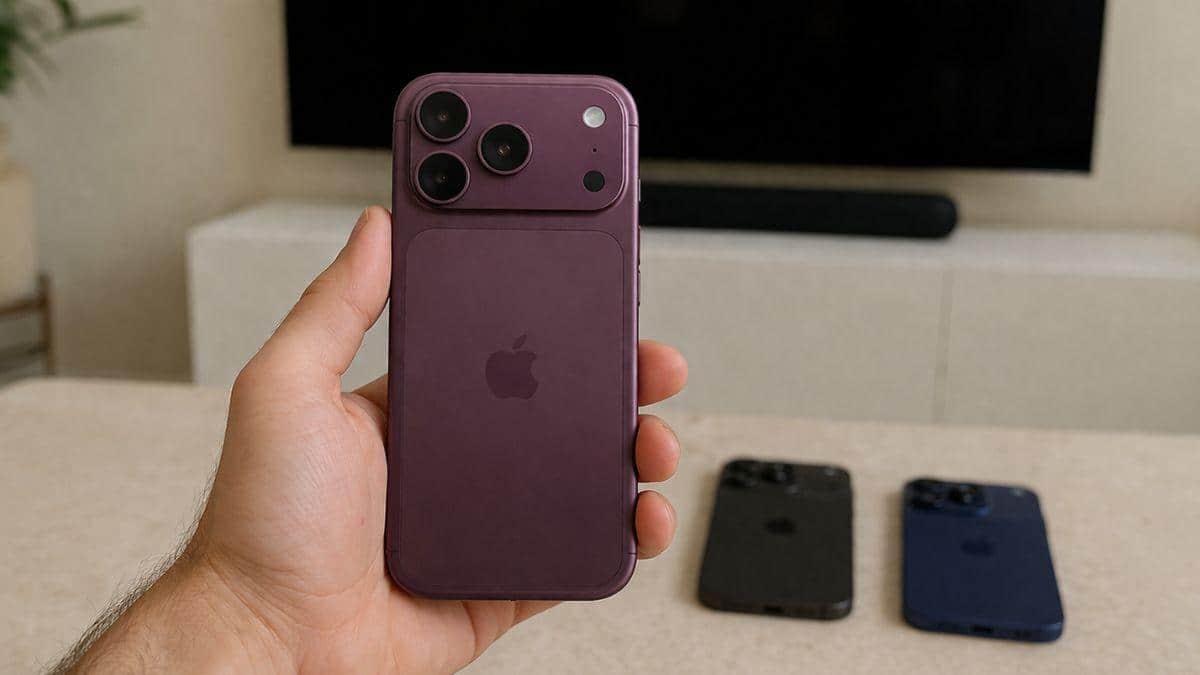
iPhone 18 Leaks: Apple's iPhone 18 Pro is shaping up to be one of the more significant upgrades in recent memory. From a new chip built on a cutting-edge process to a potential camera overhaul, the upcoming Pro models are generating serious buzz well ahead of their expected September 2026 launch.  Apple is also reportedly shifting to a two-phase release cycle, with the iPhone 18 Pro and Pro Max arriving first, followed by the standard iPhone 18 and iPhone 18e in spring 2027. What Makes The iPhone 18 Pro Worth Waiting For? A More Seamless Design The iPhone 18 Pro is expected to keep the same overall look as the iPhone 17 Pro, including the triangular rear camera layout and identical display sizes of 6.3 inches and 6.9 inches. However, Apple is reportedly refining the rear finish to reduce the colour contrast between the Ceramic Shield 2 glass and the aluminium frame, giving the back a cleaner, more unified appearance. Bigger Battery A Weibo leaker known as "Digital Chat Station" claims the iPhone 18 Pro Max will pack a battery between 5,100 and 5,200 mAh, up from the iPhone 17 Pro Max's 5,088 mAh, which Apple rates at up to 39 hours of battery life. A slightly thicker and heavier chassis, estimated at around 243 grams, is expected to accommodate the larger cell. Smaller Dynamic Island Apple is reportedly working on shrinking the Dynamic Island cutout. Weibo leaker "Ice Universe" claims it will be around 35% narrower, dropping from approximately 20.7mm to 13.5mm. Bloomberg's Mark Gurman and display analyst Ross Young both suggest a smaller Dynamic Island is more likely than full removal, with under-display Face ID still uncertain for this generation. A20 Pro Chip On 2nm The iPhone 18 Pro is expected to run Apple's A20 chip, built on TSMC's 2nm process. This is said to deliver around 15% faster performance and roughly 30% better power efficiency compared to the A19 series in the iPhone 17 lineup, along with potential RAM integration directly on the same wafer. Apple's C2 Modem Supply chain analyst Jeff Pu expects the iPhone 18 Pro to feature Apple's in-house C2 modem, succeeding the C1 in the iPhone 16e and the C1X in the iPhone Air. The C2 is expected to bring mmWave 5G support in the United States, faster speeds, and better efficiency, continuing Apple's push to reduce reliance on Qualcomm. A New Camera Sensor From Samsung Sony has long been Apple's primary image sensor supplier, but a leaker known as "Jukanlosreve" claims Samsung is developing a three-layer stacked sensor, referred to as PD-TR-Logic, for the iPhone 18. The design is said to improve camera responsiveness, reduce noise, and expand dynamic range. Variable Aperture The 48-megapixel main camera on both iPhone 18 Pro models may finally get variable aperture, according to Digital Chat Station. Unlike the fixed f/1.78 aperture used on the iPhone 15 Pro through 17 Pro, a variable aperture physically adjusts the lens opening for better low-light performance and depth-of-field control. Industry analyst Ming-Chi Kuo flagged this feature in November 2024. 5G Satellite Internet According to a report by The Information, Apple plans to support full 5G connectivity via satellite as early as 2026, going beyond the limited emergency satellite features currently on iPhones. If the timeline holds, the iPhone 18 Pro and Pro Max would be among the first devices to offer satellite-based internet access. Simplified Camera Control Button Apple is reportedly removing the capacitive sensing layer from the Camera Control button, keeping only pressure sensing, according to Weibo account Instant Digital. The change is said to be cost-driven, as the current setup is expensive to manufacture and repair, rather than a reduction in what the button can do. A Deep Red Colour Option Bloomberg's Mark Gurman reported in February 2026 that Apple is testing a deep red finish for the iPhone 18 Pro and Pro Max. One Chinese leaker also suggests black may not return to the Pro lineup this year, which would mark the second consecutive year without the colour. The iPhone 18 Pro is expected to launch in September 2026. With several upgrades still unconfirmed, more details will likely surface in the months ahead.

Oil Prices Fall As Hopes Rise For US-Iran Talks, Brent Slips Below $95

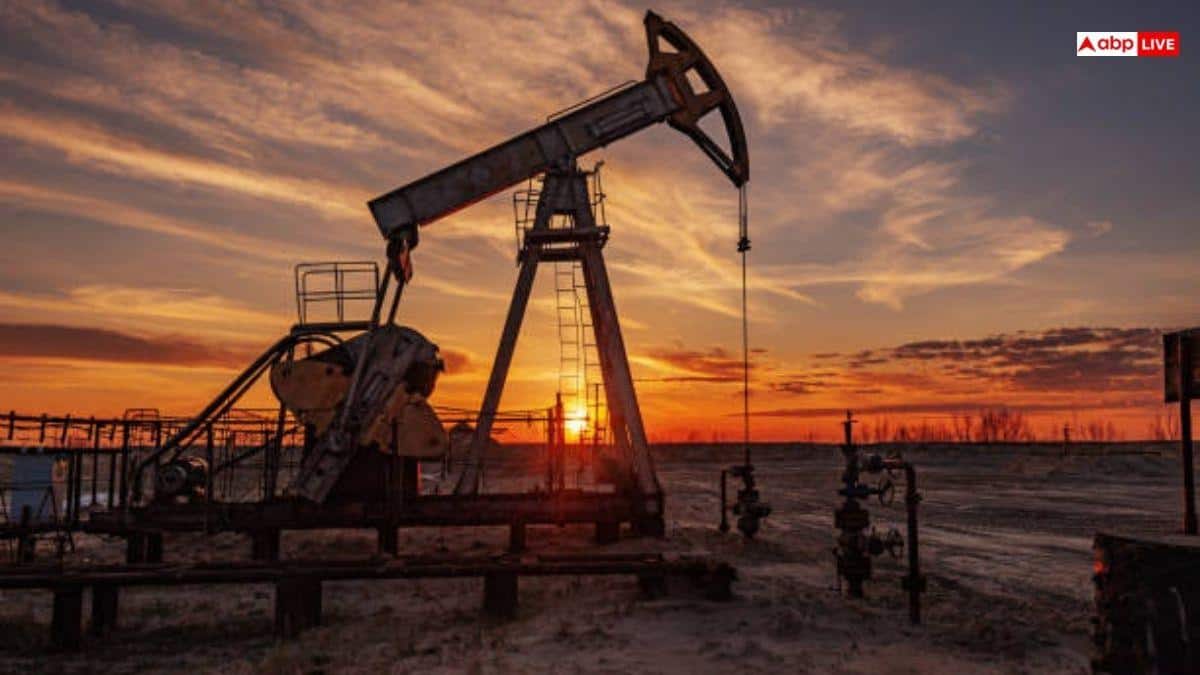
Global oil prices declined for a second straight day on Wednesday as optimism grew over a possible resumption of negotiations between the United States and Iran, raising hopes of easing supply disruptions in the Middle East. Investor sentiment improved after US President Donald Trump indicated that talks to end the ongoing conflict involving the US, Israel, and Iran could resume within the next two days, potentially in Pakistan. The development follows a breakdown in negotiations over the weekend, which had prompted Washington to impose a blockade on Iranian ports, fuelling concerns over supply constraints after the closure of the Strait of Hormuz. As expectations of renewed dialogue gained traction, crude oil prices in the global market slipped below the $95 per barrel mark. The global benchmark Brent crude fell to a low of $94.42 per barrel during Tuesday’s session, after witnessing sharp volatility with an intraday high of $99.45 per barrel. The contract had opened around the $97 per barrel level. Similarly, US benchmark West Texas Intermediate (WTI) crude also recorded a decline. Prices dropped to $87.08 per barrel during the session after opening near $98 per barrel. Despite hitting higher levels at the start of trading, WTI cooled significantly to close around the $90 per barrel range. The downward trend in oil prices had begun earlier as reports suggested that Israel and Lebanon were open to further negotiations amid the ongoing West Asia tensions. Additional cues came after Trump hinted that “something could be happening” in the next few days, reinforcing expectations of diplomatic progress. In early trade on Wednesday, Brent crude was hovering at $94.66 per barrel, down from the previous close of $95.13 per barrel. Meanwhile, WTI crude was trading at around $90.65 per barrel, compared to its last close of $91.28 per barrel. (Disclaimer: This report has been published as part of the auto-generated syndicate wire feed. Apart from the headline, no editing has been done in the copy by ABP Live.)

India’s Wholesale Inflation Rises To 3.88% In March As Fuel Prices Surge

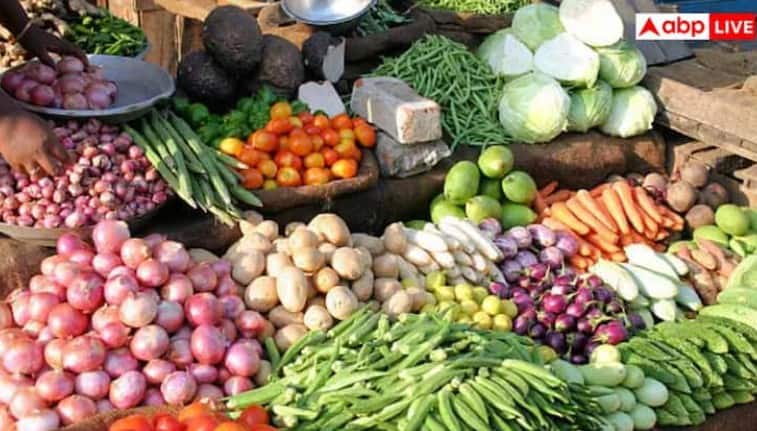
India’s inflation trajectory showed signs of firming up in March 2026, with wholesale price inflation rising sharply even as consumer inflation remained relatively contained. The latest data highlights the growing impact of global commodity volatility, particularly crude oil, on domestic price trends. According to official data, the Wholesale Price Index (WPI)-based inflation rose to 3.88 per cent in March, up from 2.13 per cent in February, marking a notable acceleration on a year-on-year basis, reported IANS. Fuel Prices Drive Wholesale Inflation Higher The primary driver behind the rise in wholesale inflation was a sharp increase in fuel and power costs, reflecting global energy market disruptions. On a month-on-month basis, inflation in the fuel and power segment climbed 4.13 per cent in March. Crude oil and natural gas prices surged by as much as 36.16 per cent during the month, largely due to geopolitical tensions in West Asia. This surge underscores the vulnerability of India’s inflation outlook to global energy price movements, especially given the country’s heavy dependence on crude oil imports. However, some relief came from a decline in electricity prices, which fell by 5.07 per cent during the same period, partially offsetting the rise in fuel costs. Also Read : Akshaya Tritiya 2026: From ETFs To Jewellery, Gold Remains Investors’ Favourite Manufactured Products See Moderate Increase Inflation in manufactured products also contributed to the overall uptick, though the rise remained relatively modest. The WPI for manufactured goods increased by 0.88 per cent month-on-month in March. Of the 22 product categories within this segment, 16 recorded price increases, while six witnessed a decline. This indicates a broad-based, albeit moderate, rise in input costs across industries, which could eventually translate into higher retail prices if the trend persists. Food Inflation Remains Stable At Wholesale Level Food inflation at the wholesale level remained stable during March, offering some cushion against broader price pressures. WPI food inflation stood at 1.85 per cent year-on-year, unchanged from the corresponding period last year.  The food index, which includes cereals, pulses and manufactured food items, showed a marginal sequential decline compared to February, suggesting that supply conditions for key food items remained relatively stable. Consumer Inflation Shows Mixed Trends While wholesale inflation accelerated, consumer price inflation (CPI) remained relatively moderate. India’s CPI-based inflation stood at 3.4 per cent in March on a year-on-year basis, slightly higher than previous months but still within the Reserve Bank of India’s comfort range.  However, within the CPI basket, there were significant divergences across categories. Sharp Spike In Precious Metals Among the standout contributors to inflation were precious metals, which recorded sharp price increases during the month. Silver jewellery prices surged by an extraordinary 148.61 per cent, while gold jewellery prices rose by 45.92 per cent compared to the same month last year. These increases reflect strong global demand and safe-haven buying amid geopolitical uncertainty. Food Prices Show Diverging Trends Food inflation at the consumer level stood at 3.87 per cent in March, driven largely by rising vegetable prices. Vegetables such as tomatoes and cauliflower became more expensive during the month, contributing to the uptick in food inflation. However, several key staples provided relief. Prices of onion, potato and garlic recorded double-digit declines compared to the previous year. Pulses also turned cheaper, with arhar and tur prices falling by 9.56 per cent and chickpea prices declining by 7.87 per cent. This divergence highlights the uneven nature of food inflation, where price movements vary significantly across commodities. Sequential Trend Shows Gradual Uptick On a sequential basis, CPI inflation has been inching higher in recent months. Inflation in March was slightly above 3.21 per cent recorded in February and higher than the revised figure of 2.74 per cent in January, when the new CPI series was introduced.  This suggests a gradual firming up of inflation, even though overall levels remain within manageable limits. Also read : Gold Silver Rate Today (April 15): Check Rates Across Major Cities In India What This Means For Policy And Markets The combination of rising wholesale inflation and moderate consumer inflation presents a nuanced picture for policymakers. While elevated fuel prices could pose risks to inflation in the coming months, the relatively stable CPI reading provides some room for the Reserve Bank of India to maintain a balanced policy stance. However, any sustained increase in crude oil prices, especially amid ongoing geopolitical tensions, could feed into broader inflationary pressures and influence future monetary policy decisions.

World Art Day 2026: 9 Famous Indian Painting Styles That Showcase Rich Culture And Creativity

Celebrated every year on April 15, World Art Day celebrates the power of creativity and its role in shaping cultures, ideas, and human expression across the globe. Recognised by UNESCO in 2019, the day highlights how art continues to inspire dialogue, innovation, and a deeper understanding of the world around us. In a country as diverse as India, art is not just an expression, it is a living tradition. From ancient tribal paintings to intricate royal styles, each art form carries stories of history, belief, and everyday life. Here’s a look at some of India’s most iconic artforms that continue to keep its cultural spirit alive. ALSO READ: Poila Baisakh 2026: History, Significance, Traditions, And All You Need To Know About Bengali New Year Madhubani Painting (Image Source: x/ biharfoundation) Also known as Mithila art, Madhubani originated in Bihar and has been practiced since ancient times. Created mostly by women, it uses geometric patterns to depict gods, nature, and daily life, often symbolising a spiritual connection with the divine. Warli Painting (Image Source: x/ GujaratTourism) One of India’s oldest tribal art forms, Warli painting began around 2500-3000 BCE in Gujarat. With simple shapes like circles and triangles, it beautifully captures everyday activities such as farming, dancing, and rituals. Pattachitra (Image Source: x/ Indraketu1) Originating in Odisha and West Bengal, Pattachitra translates to 'painting on canvas.' This traditional art form mainly depicts mythological themes, especially stories related to Lord Krishna and the Vaishnava tradition. Kalamkari Painting (Image Source: Pinterest/ MeMerakiArt) Kalamkari, meaning 'pen art,' comes from Andhra Pradesh and is created using natural dyes. It exists in two styles, block printing and hand-drawn designs, both known for their intricate storytelling on fabric. Phad Painting (Image Source: Pinterest/ singhpuransiddharth9) Phad painting from Rajasthan is done on long pieces of cloth, often illustrating tales of local deities and heroic adventures. Its vibrant colours and narrative style make it both a visual and storytelling tradition. Tanjore Painting (Image Source: Pinterest/ shahnilam24) Originating in Tamil Nadu, Tanjore paintings are known for their rich colours and use of gold foil. Created on wooden planks, these artworks often depict Hindu gods and stand out for their opulent finish. Kalighat Painting (Image Source: Pinterest/ anantbreakingidea) Developed in Kolkata during the 19th century, Kalighat paintings began with mythological themes but later evolved to reflect social issues. Artists used this medium to comment on society in a bold and expressive way. Gond Painting (Image Source: Pinterest/ JamudaStarArtGallery) This tribal art form from Madhya Pradesh celebrates nature through vibrant patterns and colours. Traditionally made using natural materials, Gond paintings often feature animals, plants, and elements of the natural world. Pichwai Painting (Image Source: Pinterest/ artisera) Pichwai paintings from Rajasthan are large cloth artworks created to depict stories of Lord Krishna. Traditionally hung in temples, they serve both as decoration and a medium of storytelling for devotees.

WATCH: Ahmed Shehzad Slams IPL vs PSL Debate With Blunt Take On Overseas Players

Ahmed Shehzad IPL vs PSL: Veteran Pakistan cricketer Ahmed Shehzad has stirred fresh debate by criticising the ongoing comparisons between the Indian Premier League (IPL) and the Pakistan Super League (PSL). The right-handed batsman, who has represented Pakistan in major competitions, did not hold back in sharing his views on the perceived gap between the two competitions. His comments come at a time when discussions around the quality and competitiveness of the two leagues have once again gained traction, particularly among fans and media. Comments On Overseas Players Stir Controversy 📢 Ahmed Shehzad brutally owned PSL:You only have players left in the PSL who have either retired from the IPL, gone unsold in the IPL, or have no future in the IPL, like David Warner and Steve Smith. If any current player has a chance to play, they will choose the IPL. So how… pic.twitter.com/2GTSopxZPA — TEJASH (@Tejashyyyyy) April 14, 2026 In a video on his YouTube channel, Ahmed Shehzad pointed towards the calibre of overseas players participating in the PSL, suggesting that many of them are no longer fit to be a part of the IPL ecosystem. "Most of the players you have in the PSL are those who retired from the IPL, and have no further future left there, like David Warner, (Steve) Smith," "Those same players will come to you and say that the PSL is bigger and better. Otherwise, wherever any player gets a chance, they will choose the IPL only," he added. A fine example to back Shehzad's statement is Zimbabwe fast-bowler Blessing Muzarabani, who after being sold in the PSL auction, ditched the tournament to join IPL's Kolkata Knight Riders as an injury-replacement signing. Rossouw’s Remarks Sparked Controversy This fresh IPL vs PSL controversy had started after Rilee Rossouw, currently representing Quetta Gladiators in the latter league, made a comparison between the two in an interview.  Rossouw suggested that the IPL experience feels more like a “movie” rather than pure cricket, while praising the competitiveness of the PSL. His comments came after he, along with Kusal Mendis, was asked by local journalists to weigh in on the differences between the tournaments. The IPL has long been regarded as the premier T20 league globally, attracting top-tier international talent and commanding massive commercial value. However, comparisons between the two leagues often trigger strong reactions from players and experts alike.

Nifty Mid, Smallcaps Outperform As Markets Extend Gains Despite Selling In Heavyweights

Market Update at 12:33 PM:The Indian equity benchmarks, Nifty 50 and Sensex, retreated from their Intraday highs on account of selling pressure in heavyweight stocks such as ICICI Bank and Dr. Reddy’s Laboratories. However, optimism surrounding a potential resolution between the U.S. and Iran helped limit the downside and prevented a sharp sell-off. At the time of reporting, the Nifty 50 was trading 1.59 per cent or 379.20 points higher at 24,224.35, while the Sensex gained 1.58 per cent or 1,217.73 points to trade at 78,065.30. Market volatility cooled significantly, with the Nifty India Volatility Index (VIX) declining 15.4 per cent to 17.34 shortly after the opening bell. The drop in VIX indicates easing concerns around near-term market fluctuations and improved investor sentiment. Broader markets outperformed the frontline indices, with the Nifty MidCap index rising 1.93 per cent and the Nifty SmallCap index advancing 2.16 per cent. The strong performance in mid- and Small-Cap stocks reflects continued buying interest beyond Large-Cap counters. On the sectoral front, Nifty Financial Services Ex Bank, Nifty Construction Durable, and Nifty Realty emerged as the Top Gainers, driven by broad-based buying. In contrast, the Nifty PSU Bank index lagged and stood out as the worst-performing sector during the session.   Market Update at 09:35 AM: Indian equity benchmarks surged in early trade on positive global cues, as optimism grew around easing geopolitical tensions between the U.S. and Iran. Sentiment improved after Donald Trump indicated that the conflict with Iran could be nearing resolution. As of 9:16 AM, the Nifty 50 was trading 1.61 per cent, or 392.75 points higher, at 24,237.70. The BSE Sensex advanced 1.70 per cent, or 1,303 points, to 78,150.54. Broader markets outperformed the frontline indices, with the Nifty MidCap rising 2.09 per cent and the Nifty SmallCap gaining 2.10 per cent. Sectorally, the Nifty PSU Bank and the Nifty IT indices led the gains, reflecting strong buying interest. On the other hand, the Nifty Pharma index emerged as the worst-performing sector during the session. In the commodities market, Brent crude prices declined in the Asian session. This came as traders anticipated a possible resolution to disruptions at the Strait of Hormuz amid ongoing U.S.–Iran talks. Brent crude’s April contract was trading 0.36 per cent lower at USD 94.45 per barrel.   Pre-Market Update at 7:48 AM: The benchmark indices of the Indian stock market, BSE Sensex and Nifty 50, are likely to open on a positive note on Wednesday, supported by strong global cues. Optimism around the resumption of U.S.–Iran talks and early signs of easing tensions in the Middle East are boosting overall market sentiment. Asian markets were trading in the green, while U.S. equities rallied overnight, with the S&P 500 approaching its record closing levels. As of 7:29 am, GIFT Nifty hovered around 24,228, up by 350 points from the previous close of Nifty futures, indicating a strong start for Indian equity benchmarks. From a global standpoint, developments around U.S.–Iran peace talks remain a key trigger. U.S. President Donald Trump stated that discussions to end the Iran conflict could resume in Pakistan within the next two days, highlighting that both sides are keen to reach a deal. Meanwhile, China has also indicated its willingness to work towards restoring peace and stability in the Middle East. On the macroeconomic front, the International Monetary Fund has slightly upgraded India’s economic growth forecast for 2026–27 to 6.5 per cent from 6.4 per cent earlier, despite ongoing geopolitical tensions. However, it lowered its global growth outlook to 3.1 per cent for 2026, trimming it by 0.2 percentage points. India’s retail inflation, measured by the Consumer Price Index, edged up to 3.4 per cent in March from 3.21 per cent in February but remains below the Reserve Bank of India target of 4 per cent, providing comfort to policymakers. Crude oil prices declined for a second straight session on hopes that renewed U.S.–Iran talks could ease supply concerns. Brent crude slipped 0.37 per cent to USD 94.44 per barrel after a sharp 4.6 per cent fall, while U.S. WTI crude dropped 1.04 per cent to USD 90.33 following a steep 7.9 per cent decline earlier. The U.S. dollar hovered near six-week lows as improving sentiment around potential negotiations boosted risk appetite. The dollar index stood at 98.109. From a derivatives perspective, the Put-Call Ratio stands at 1.08, indicating a slightly bullish undertone. Significant open interest on the Put side is concentrated at 23,800 and 23,500 levels, marking strong support zones. On the Call side, heavy open interest at 24,000 and 24,500 levels suggests strong resistance. Technically, immediate support for the Nifty 50 is seen in the 23,650–23,690 zone, while resistance lies between 23,950 and 24,000 levels. In the derivatives segment, Sammaan Capital and Steel Authority of India Limited remain under the F&O ban for April 15. Institutional flows showed mixed sentiment. Foreign Institutional Investors were net sellers, offloading equities worth Rs 1,983.18 crore, while Domestic Institutional Investors bought shares worth Rs 2,432.30 crore. On Monday, the domestic market ended sharply lower after a holiday break. The Sensex fell 702.68 points, or 0.91 per cent, to close at 76,847.57, while the Nifty 50 declined 207.95 points, or 0.86 per cent, to settle at 23,842.65. Markets remained closed on Tuesday on account of Dr. Babasaheb Ambedkar Jayanti. Wall Street ended its latest session on a strong note. The Dow Jones Industrial Average rose 317.74 points, or 0.66 per cent, to 48,535.99. The S&P 500 gained 1.18 per cent to close at 6,967.38, while the Nasdaq Composite surged 1.96 per cent to 23,639.08, marking its tenth consecutive day of gains. Major technology stocks such as Nvidia, Amazon, and Microsoft led the rally. In commodities, gold and silver prices extended gains for a second straight session. Gold rose to USD 4,855 per ounce after a 2 per cent jump in the previous session, while silver climbed to USD 79 per ounce during Asian trading hours, supported by easing geopolitical concerns.  (Disclaimer: This article uses information originally published by Dalal Street Investment Journal (DSIJ). The views expressed are those of the original authors and not necessarily of ABP Network Pvt. Ltd. This content is provided for general informational and educational purposes only and should not be construed as investment, financial, legal or tax advice. Readers are advised to conduct their own research and/or consult a qualified financial advisor before making any investment decisions. This content is for informational purposes only and should not be treated as investment advice. ABP Network, its employees and associates shall not be responsible or liable for any losses or damages arising directly or indirectly from the use of or reliance on this article or any information contained herein.)

Poco X8 Pro Max, Poco X8 Pro Review: Poco Trades Hype For Substance, And It Works

Poco X8 Pro Max, Poco X8 Pro Review: There was a time when Poco phones felt like that loud kid in class, all performance, neon vibes, and zero subtlety. RGB strips screaming for attention, specs doing the heavy lifting, and design taking a backseat. Fast forward to 2026, and something has clearly changed. The Poco X8 Pro series, both the X8 Pro and the X8 Pro Max, feels like that same kid walked into a boardroom wearing a tailored suit. The RGB lighting? Still there. But now it’s tucked neatly inside the camera module, like a quiet flex instead of a nightclub announcement. And honestly, I didn’t expect Poco to pull this off.  As always, GennieGPT, ABP Live's resident AI review bot, is already losing her mind over the spec sheet. Let’s see how much of that excitement survives real-world use. ALSO READ: Samsung Galaxy S26 Ultra 1-Month Review: So This Is What Living With A 'Peak' Phone Feels Like Poco X8 Pro Max, Poco X8 Pro Review: Quick Pointers What Works: Mature, premium design (finally) Flagship-grade performance on both models Excellent primary cameras for the price Insane battery life, especially on the Pro Max Bright, vibrant AMOLED displays What Doesn’t: Still a bit bulky (especially Pro Max) AI features feel… familiar Ultrawide cameras are just okay HyperOS still carries some bloat baggage The Glow-Up Is Real ✨ GennieGPT: RGB lighting INSIDE the camera module!!! This is PEAK design innovation! Futuristic! Premium! ICONIC! Shayak: Easy there, Cyberpunk. But yes, this is probably the most tasteful RGB implementation I’ve seen on a Poco. It’s not screaming anymore. It’s… whispering. And that’s growth. Both phones feel more refined than anything Poco has done before. The Pro Max is a big slab (6.83 inches of “you better have big pockets” energy) while the X8 Pro is slightly more manageable. Neither is small. Neither is light. But for once, they don’t feel cheap. ✨ GennieGPT: 1.5K AMOLED! 120Hz! 3500 NITS!!! This is brighter than the SUN! Cinematic experience unlocked!!! Shayak: If the sun was this controlled, we wouldn’t need sunglasses. But yes, both displays are excellent. Bright, punchy, and smooth. Streaming, scrolling, gaming... everything feels premium. The Pro Max’s larger panel does give it an edge for content consumption.  The 120Hz refresh rate is consistent, unlike those '144Hz-but-only-on-paper' situations we’ve seen before. Poco has kept things practical here. And it's easy to respect that. No More Identity Crisis ✨ GennieGPT: DIMENSITY 9500s!!! 3.73GHz!!! IMMORTALIS GPU!!! This is ULTRA FLAGSHIP POWER!!! Gaming beast mode ACTIVATED!!! Shayak: Now this is where you’re actually onto something. The Pro Max, with that Dimensity 9500s, is ridiculously powerful. This isn’t “budget flagship killer” territory anymore. This is just flagship under a budget. Gaming is smooth, thermals are surprisingly controlled, and multitasking feels effortless. The X8 Pro, with the Dimensity 8500-Ultra, is slightly more grounded, but still very fast. Think of it as the sensible sibling who doesn’t try too hard but still wins. Neither phone stutters. Neither phone struggles. And for Poco, that consistency matters more than raw numbers, especially since it wants to stay true to its original customer base and also lure in some more curious customers on the fly. ✨ GennieGPT: 8500mAh!!! 100W charging!!! TWO DAYS?? THREE DAYS?? POWER BANK DESTROYER!!! Shayak: Yes, the Pro Max’s 9000mAh battery is… ridiculous. This is easily a one-and-a-half-day phone, even with heavy use. The X8 Pro’s 6500mAh is more “normal”, except it’s still better than most phones out there. Both charge insanely fast with 100W. And reverse charging means you’re now that friend, the one everyone looks for when their phone hits 5%. You didn’t ask for responsibility. Poco gave it to you anyway. Cameras: Wait… This Is Poco? ✨ GennieGPT: 50MP sensors!!! Light Fusion!!! Sony IMX!!! DSLR-level photography!!! Goodbye professional cameras!!! Shayak: Here’s the thing. Poco has quietly fixed one of its biggest weaknesses. Both phones deliver genuinely good photos. The Pro Max edges ahead slightly in processing, but the difference isn’t massive. Good detail. Balanced colours (finally not overcooked). Reliable HDR. Fun filters that would make iPhone users have a mini crisis. Daylight shots are strong. Low light is decent. And for once, I didn’t feel like I needed to apologise for Poco’s camera when I recommend this phone to anyone. However, the ultrawide? Still mid. The selfie camera? Serviceable. Something for Poco to note for future versions. Having said that, the main sensor is doing enough heavy lifting to make this a non-issue for most people. AI Everything (Because Everyone Else Is) ✨ GennieGPT: GEMINI AI!!! AI WRITING!!! AI INTERPRETER!!! AI EVERYTHING!!! THE FUTURE IS HERE!!! Shayak: The future has been “here” for about two years now. Yes, all the usual suspects are present: Gemini, Circle to Search, AI tools sprinkled across the UI. They work. They’re useful occasionally. They are not unique. And they’re not why you should buy this phone. I wish more phones would take the Nothing route and have AI-ness at a minimum. Or at least in a subtle way. Let's see what the future brings.  ALSO READ: Nothing Phone 4a Review: Nothing To Complain About, Nothing To Brag About Poco X8 Pro Max, Poco X8 Pro Review: Final Verdict The Poco X8 Pro series feels like a turning point. Not because it’s flashy. But because it’s not. These phones are confident. They don’t try too hard. They deliver where it matters: performance, battery, display. And for once, their camera muscles are worth showing off. I keep finding myself recommending the Poco X8 Pro Max to anyone who wants a 'budget' phone.  With a starting price of 42,999 (12+256), the Poco X8 Pro Max is the show-off sibling. Big, powerful, slightly excessive. With a starting price of Rs 32,999 (8+256), the Poco X8 Pro is the balanced one. Sensible, reliable, easier to live with. And together, they signal something important: Poco is done being the loudest brand in the room. It’s now trying to be the smartest. Should You Buy Poco X8 Pro / Pro Max? Yes, if you want flagship-like performance, massive battery life, and serious value for money Maybe, if you’re choosing between Pro Max (power, size) and Pro (balance, usability) No, if you want a compact phone or top-tier selfie and ultrawide cameras

Gold Silver Rate Today (April 15): Check Rates Across Major Cities In India

Gold Silver Rate Today: Gold and silver prices moved higher on Wednesday, with silver leading gains while gold posted marginal upticks amid cautious optimism around easing tensions between the United States and Iran. On the Multi Commodity Exchange (MCX), gold futures for May delivery were slightly higher by 0.02 per cent at Rs 1,53,305 per 10 grams in early trade. Analysts said a sustained move above Rs 1,55,000 could push prices towards the Rs 1,57,000-Rs 1,58,000 range. On the downside, a break below Rs 1,54,000 may trigger a correction towards Rs 1,52,000 and further to Rs 1,50,000. Silver prices showed stronger momentum. MCX May futures rose 0.83 per cent to Rs 2,54,842 per kg, supported by fresh buying interest. Experts noted resistance at Rs 2,60,000-Rs 2,63,000, with further upside potential towards Rs 2,68,000-Rs 2,70,000. A fall below Rs 2,48,000 could, however, lead to a corrective move towards Rs 2,44,000-Rs 2,40,000. In the previous session, gold had closed largely flat at Rs 1,53,216 per 10 grams, while silver edged down 0.1 per cent to Rs 2,25,499 per kg. Globally, gold held on to recent gains, with spot prices hovering near $4,850 an ounce after rising up to 0.6 per cent during the session. The metal had jumped over 2 per cent in the previous trading session amid expectations of renewed diplomatic engagement between Washington and Tehran. US President Donald Trump indicated that talks could resume “over the next two days,” raising hopes of a potential breakthrough. Easing geopolitical concerns have reduced fears of supply disruptions and inflation spikes, keeping bullion movements relatively measured. Despite the current stability, gold remains under pressure, having declined nearly 8 per cent since the conflict began, as earlier liquidity-driven selling weighed on prices. Gold Rates Across Major Cities In India On April 15 Gold Prices in Delhi Today (Per 1 Gram) 24 Karat - 15,550 22 Karat- 14,255 18 Karat- 11,666 Gold Prices in Chennai Today (Per 1 Gram)  24 Karat - 15,622 22 Karat- 14,320 18 Karat- 11,940 Gold Prices in Bengaluru Today (Per 1 Gram) 24 Karat - 15,535 22 Karat- 14,240 18 Karat- 11,651 Gold Prices in Mumbai Today (Per 1 Gram) 24 Karat - 15,535 22 Karat- 14,240 18 Karat- 11,651 Gold Prices in Pune Today (Per 1 Gram) 24 Karat - 15,535 22 Karat- 14,240 18 Karat- 11,651 Gold Prices in Kolkata Today (Per 1 Gram) 24 Karat - 15,535 22 Karat- 14,240 18 Karat- 11,651 Gold Price Today in Major Indian Cities City 24k Gold Per Gram 22k Gold Per Gram 18k Gold Per Gram Gold Rate in Hyderabad 15,535 14,240 11,651 Gold Rate in Ahmedabad 15,540 14,245 11,656 Gold Rate in Indore 15,540 14,245 11,656 Gold Rate in Lucknow 15,550 14,255 11,666 Gold Rate in Coimbatore 15,622 14,320 11,940 Gold Rate in Bhubaneswar 15,535 14,240 11,651 Gold Rate in Mysore 15,535 14,240 11,651 Gold Rate in Kanpur 15,550 14,255 11,666 Gold Rate in Salem 15,622 14,320 11,940 Gold Rate in Visakhapatnam 15,535 14,240 11,651 Gold Rate in Vijayawada 15,535 14,240 11,651 Gold Rate in Patna 15,540 14,245 11,656 To check Silver price in India today, click here. Silver Price Across Major Cities In India On April 15 Silver Price In Delhi Today The current silver price in Delhi stands at Rs 270 per gram and Rs 270,000 per kg. Silver Price In Chennai Today The current silver price in Chennai stands at Rs 275 per gram and Rs 275,000 per kg. Silver Price In Bengaluru Today The current silver price in Bengaluru stands at Rs 270 per gram and Rs 270,000 per kg. Silver Price In Mumbai Today The current silver price in Mumbai stands at Rs 270 per gram and Rs 270,000 per kg. Silver Price In Pune Today The current silver price in Pune stands at Rs 270 per gram and Rs 270,000 per kg. Silver Price In Kolkata Today The current silver price in Kolkata stands at Rs 270 per gram and Rs 270,000 per kg. Silver Price Today in Major Indian Cities City Per Gram Per KG Silver Rate in Hyderabad 275 275,000 Silver Rate in Ahmedabad 270 270,000 Silver Rate in Indore 270 270,000 Silver Rate in Lucknow 270 270,000 Silver Rate in Coimbatore 275 275,000 Silver Rate in Bhubaneswar 275 275,000 Silver Rate in Mysore 270 270,000 Silver Rate in Kanpur 270 270,000 Silver Rate in Salem 275 275,000 Silver Rate in Visakhapatnam 275 275,000 Silver Rate in Vijayawada 275 275,000 Silver Rate in Patna 270 270,000 To check Gold price in India today, click here.

Breaking News: US Naval Blockade Challenged as Multiple Ships Exit Iranian Ports Amid Hormuz Tensions

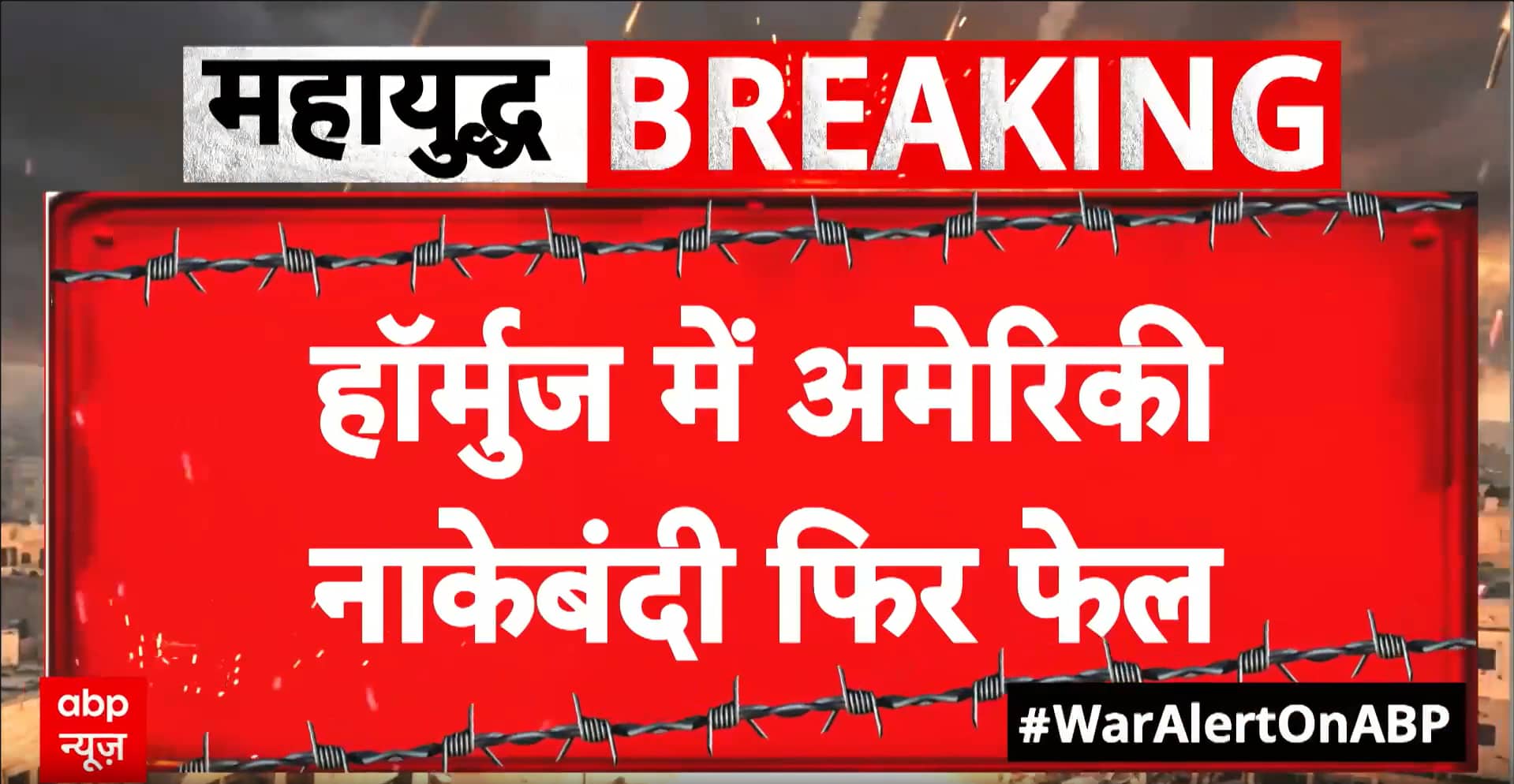
Despite the announced naval blockade by the United States in the Strait of Hormuz, reports suggest that commercial shipping activity from Iran continues. According to marine tracking data, at least two cargo vessels flying the flags of Liberia and Comoros have departed Iranian ports, challenging claims of a complete blockade. Independent intelligence sources indicate that these ships successfully moved through restricted waters near key Iranian port zones, while additional reports suggest more vessels may have also cleared the area. Earlier claims of a total US naval blockade restricting all maritime movement appear to be inconsistent with current shipping activity, as multiple vessels have reportedly continued transit in the region. The situation highlights growing uncertainty over enforcement of maritime restrictions amid escalating tensions between the United States and Iran. While Washington maintains that its naval deployment is aimed at restricting Iranian maritime operations, ongoing ship movements suggest limitations in operational control. The developments add further pressure to already fragile diplomatic efforts and ongoing ceasefire negotiations involving multiple international mediators.

London Overtakes Paris And Tokyo To Become World's Top Food Destination In 2026

When it comes to unforgettable food experiences, cities like Paris and Tokyo have long dominated the conversation. But in a surprising twist, 2026 has reshaped that narrative. According to a study by an american travel company, London has claimed the top spot as the world’s best food destination, outshining every other culinary capital. This recognition signals more than just a shift in rankings. It reflects how London has quietly transformed into a global dining powerhouse, where tradition meets innovation and every craving finds a home. A Culinary Landscape Defined By Diversity At the heart of London’s rise is its unmatched diversity. The city’s multicultural fabric has shaped a food scene that feels both authentic and constantly evolving. You don’t need a passport to explore global flavours here. A single afternoon can take you from rich, spice-laden Indian curries to smoky Caribbean grills, followed by fresh Middle Eastern mezze or steaming bowls of East Asian noodles. Each neighborhood brings its own identity, making London feel like multiple food capitals rolled into one. Global Recognition Seals London’s Culinary Crown This growing reputation hasn’t gone unnoticed. The 2026 TripAdvisor Travellers’ Choice Awards officially ranked London as the number one food destination in the world, pushing it ahead of long-established culinary giants. The recognition highlights how the city has moved beyond traditional expectations, embracing a food culture that balances accessibility with innovation. Markets That Capture The City’s Soul To truly experience London’s food culture, its markets are a must. These lively hubs offer a glimpse into the city’s everyday culinary rhythm. Borough Market remains the most iconic, home to more than a hundred stalls serving everything from freshly baked sourdough and artisanal cheeses to viral favourites like chocolate-covered strawberries. Meanwhile, Broadway Market draws weekend crowds with its trendy, local vibe, and Maltby Street Market, nestled under historic railway arches, offers gourmet street food in a setting that feels both hidden and special. Fine Dining That Redefines Excellence For those looking to indulge, London’s fine dining scene is equally impressive. The city boasts 85 Michelin-starred restaurants, each contributing to its global reputation. Celebrated names like Core by Clare Smyth and The Ledbury continue to set new standards, turning classic ingredients into refined, modern creations. Here, dining becomes more than a meal, it’s an experience shaped by creativity, precision, and world-class service. When To Plan Your Culinary Escape Choosing the right time to visit can make all the difference. From May to September, London comes alive with pleasant weather, outdoor dining, and vibrant food festivals spread across the city. Yet December holds its own charm. Despite the chill, festive markets and seasonal treats transform London into a magical destination where every corner feels celebratory.

From EMIs To Investments: What To Review In Your Finances This April

The new financial year has begun on a mixed note. Inflation remains elevated across essentials, while interest rate cuts have been slower than expected. At the same time, global tensions and market volatility continue to add to uncertainty. In such a scenario, it helps to pause and review where you stand financially. A simple check-in this April can help you stay better prepared for the months ahead.  When expenses outpace your income Over the past year, many households have seen a steady rise in expenses, especially on food, fuel, and services. Even if your income has increased, it may not have kept pace with inflation. Take a closer look at your spending patterns. Identify areas where costs may have quietly increased, such as subscriptions or lifestyle upgrades, and try to spend more mindfully. Redirecting even small amounts towards savings or investments can make a meaningful difference over time.  Is your investment mix still relevant? Markets have been uneven, with noticeable shifts across asset classes. Equity markets remain elevated in certain pockets, while debt investments are adjusting to changing interest rates.  This makes it important to review your portfolio. Check whether your asset allocation still aligns with your goals and risk appetite. If market movements have changed your balance, consider rebalancing. For instance, you may want to book some gains if your equity exposure has increased significantly. At the same time, being too conservative could limit long-term growth. The focus should remain on maintaining a balanced approach.  Also Read : Akshaya Tritiya 2026: From ETFs To Jewellery, Gold Remains Investors’ Favourite EMIs taking up too much of your income Loan repayments continue to be a key pressure point for many households. With interest rates still relatively high, EMIs can take up a significant portion of your monthly income. Review the terms of your loans. Check if you can switch to a lower rate or prepay part of the outstanding amount. Even a small reduction in interest can ease your overall burden. It is also important to keep your EMI-to-income ratio within a comfortable range so that you have enough room for savings and other financial goals.  Having a strong financial safety net Uncertain times make financial buffers more important. An emergency fund that covers at least six months of expenses can provide stability during unexpected situations. Alongside this, review your insurance coverage. Health insurance and term life insurance remain essential safeguards, especially with rising healthcare costs. It is also important to maintain healthy credit behaviour. Paying dues on time and keeping your credit profile strong can help you access funds easily if needed.  Also read : Dalal Street Pin Hopes On US-Iran Talks: Sensex Soars 1,300 Points, Nifty Crosses 24,200 Aligning your plans for the new financial year April is a good time to reset your financial strategy. Review your tax-saving investments and update your declarations based on the current rules. Set clear and realistic goals for the year ahead. Whether it is reducing debt, building savings, or growing your investments, break these goals into smaller, manageable steps. This makes it easier to stay consistent through the year.  This year may not bring clear trends or quick gains, but it does offer an opportunity to strengthen your financial position. By reviewing your income, investments, debt, and safety net, you can stay prepared for uncertainty. The focus should remain on steady, well-informed decisions, with small adjustments helping you stay on track in a changing environment. (The author is Associate Analyst, Communications, BankBazaar.com. This article has been published as part of a special arrangement with BankBazaar)

The Moon Camera NASA Planned To Leave Behind, Found Years After Armstrong's Death

The Apollo 11 mission in July 1969 remains one of the most significant moments in human history. Neil Armstrong and Buzz Aldrin spent over 21 hours on the Moon’s surface, carrying out scientific experiments, taking photographs, and collecting lunar samples to bring back to Earth. While the mission is widely remembered for the first Moon landing, some details from that journey only surfaced years later. Why NASA Left Things Behind On The Moon Due to strict weight limitations, NASA required astronauts to leave several items on the Moon before returning. This helped make space for the lunar material they collected. One such item was a small storage bag informally known as the 'McDivitt Purse.' The name came from Apollo 9 commander James McDivitt, who had earlier suggested the need for a compact bag to temporarily hold loose items in space. Astronauts later nicknamed it a 'purse' because of its design and closure style. The bag was originally intended to remain on the lunar surface. A Surprising Discovery In A Closet More than four decades later, in 2012, Neil Armstrong’s wife, Carol, made an unexpected discovery while going through a closet. Inside, she found the small bag, clearly filled with items that looked like they belonged to a spacecraft. Recognizing its potential significance, she contacted the Smithsonian National Air and Space Museum, where she had already discussed donating other Armstrong artifacts. For curator Allan Needell, the moment was extraordinary. As he later noted, it’s hard to imagine a more exciting find for someone responsible for preserving space history. Confirming The Bag’s Journey To The Moon Experts began carefully examining the bag and its contents. It didn’t take long to confirm what they suspected, the McDivitt Purse had indeed travelled to the Moon. Originally slated to be discarded, something changed during the mission. NASA transcripts reveal the shift in real time. At one point, Armstrong described the bag to command module pilot Michael Collins as a collection of 'trash', miscellaneous Lunar Module parts and odds and ends that wouldn’t stay contained. Instead of leaving it behind, the crew brought it back. What Was Inside The Bag? The bag contained several pieces of equipment, including a tether designed as a safety tool for astronauts. Although it was not used for its intended purpose, it served a different function during the mission. Armstrong used the tether to support his legs while resting inside the Lunar Module. Due to limited space, he could not lie down comfortably, and the tether helped him adjust his position. He later described the difficulty of resting in the module, citing noise and temperature conditions as challenges. A Camera That Recorded Key Moments Also found inside the bag was a 16mm Data Acquisition Camera. This camera had been mounted on the Lunar Module and recorded important events, including the module’s separation and the Moon landing. Like the bag, the camera had originally been expected to remain on the Moon due to weight considerations, but it was returned to Earth instead. A Rare Piece Of Space History By the time the items were examined in 2015, it appeared that their existence had not been widely known. There was no indication that Armstrong had spoken about keeping them after the mission. The discovery of the bag and its contents has since provided additional insight into the Apollo 11 mission, highlighting lesser-known aspects of how astronauts managed equipment and space constraints during their time on the Moon.

//