Language Settings
Select Website Language
newshunt
newshunt

Filters

Channels
Topics
Other Filters

Eileen Gu breaks silence on China choice debate, hints at more Olympics while opening up about family loss

Eileen Gu has once again responded to criticism over representing China, briefly calling it “old news” in an Esquire interview. She earlier reacted to JD Vance with confidence and humor. The 22-year-old also shared plans to continue in future Olympics. Alongside her success, she opened up about the emotional loss of her grandmother during the Winter Games.

Ironmouse reacts to viral CDawg trampoline moment, educates fans on CVID

VTuber Ironmouse clarified a viral trampoline video featuring her avatar and CDawgVA, explaining her chronic immune deficiency limits her mobility. The clip, a rare outdoor experience for her, drew criticism. Ironmouse used the moment to raise awareness about CVID and invisible illnesses, highlighting the importance of inclusion and compassion for those with chronic conditions.

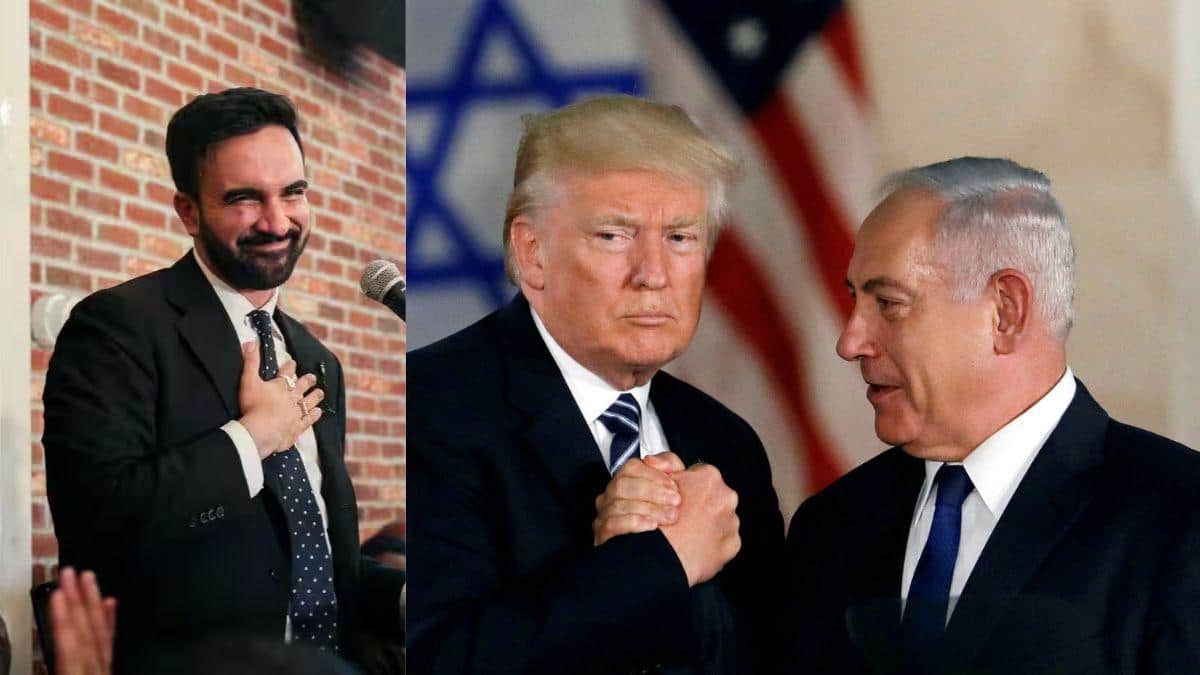
Israel, US goals 'identical'; prepared for any scenario: Netanyahu

Jerusalem, Apr 15 (PTI): Prime Minister Benjamin Netanyahu on Wednesday said Israel and the US share "identical goals" in the ongoing conflict with Iran.The Israeli prime minister said the US has been keeping Israel updated on its contacts with Iran and reiterated that both nations seek the removal of enriched material, an end to Iran’s enrichment capabilities, and the reopening of key maritime routes."Our goals and those of the United States are identical: We want to see the enriched material removed from Iran, we want to see the cancellation of enrichment capabilities within Iran, and of course, we want to see the opening of the straits," Netanyahu said in a statement."It is too early to say how this matter will end, or even how it will progress. In anticipation of the possibility that fighting may resume, we are prepared for any scenario," he said, referring to the fragile two-week ceasefire between Iran and US-Israel set to end on April 22.As Israeli forces and the Shi'ite Lebanese group Hezbollah exchanged heavy fire, Netanyahu said the military continues to strike militant targets while standing by residents in northern Israel."I stand by the residents of the north who are continuing to stand firm. At the same time, our forces are continuing to strike Hezbollah," he said.Referring to ongoing operations in Bint Jbeil, a key Hezbollah stronghold in southern Lebanon, Netanyahu said Israeli forces were close to overcoming the area, which has long been considered a symbol of the group’s resistance since the 2006 war.Bint Jbeil was the capital of Hezbollah in southern Lebanon. Netanyahu said he has instructed the Israel Defence Forces (IDF) to widen the security zone in southern Lebanon and extend it eastward toward the slopes of Mount Hermon to "better assist our Druze brothers in their time of distress".Netanyahu also confirmed that unprecedented negotiations were underway with Lebanon, facilitated by the United States, marking a significant development as the two countries do not have formal diplomatic relations."In the negotiations with Lebanon, there are two central goals: first, the disarmament of Hezbollah, and second, (achieving) a sustainable peace," he said.Meanwhile, the IDF outlined key conditions for any agreement, including establishing a buffer zone up to the Litani River free of Hezbollah presence, retaining operational freedom, and initiating a long-term disarmament process under US supervision.Despite the ongoing negotiations, the Israeli army has continued with its operations and has not been instructed to prepare for a ceasefire.IDF Spokesperson Brig Gen Effie Defrin said forces are actively engaged across southern Lebanon, with five divisions supported by air power.“We continue to operate at all times, deepening achievements and striking Hezbollah terrorists,” he said.IDF Chief of Staff Lt Gen Eyal Zamir stressed that the military remains on high alert and continues to approve operational plans in both Lebanon and Iran. PTI HM SCY SCY(This story is published as part of the auto-generated syndicate wire feed. No editing has been done in the headline or the body by ABP Live.)

Olympian Ilona Maher humbled Giants QB Jaxson Dart in a viral moment

Olympic star Ilona Maher attended a New York Giants party. She did not recognize quarterback Jaxson Dart. Maher asked him about his football team and position. This interaction became a viral sensation. It highlighted Maher's down-to-earth nature. She proved that even famous athletes can be unaware of other sports stars. The event offered a humorous perspective on celebrity recognition.

US rules out renewal of exemption from sanctions on Russian, Iranian oil

Washington, Apr 15 (PTI): The United States on Wednesday ruled out granting any further exemption from sanctions for the purchase of Russian or Iranian oil. US Treasury Scott Bessent made the announcement at a press conference at the White House. “We will not be renewing the general license on Russian oil, and we will not be renewing the general license on Iranian oil. That was oil that was on the water prior to March 11, so all that has been used,” Bessent told reporters here. On March 5, the US issued a 30-day sanctions waiver to India, permitting it to buy Russian oil despite sanctions imposed over the Ukraine war. A few days later, the US extended the sanctions waiver to a few other nations. The waiver from sanctions expired on April 11. India's crude oil purchases from Russia more than tripled to 5.3 billion euros in March as volumes doubled and a surge in oil prices pushed up the import bill. European think tank Centre for Research on Energy and Clean Air (CREA), in a report, said after a drop in purchases in February, India was back to a buying binge in March. "India was the second-highest buyer of Russian fossil fuels in March 2026, importing a total of EUR 5.8 billion of Russian hydrocarbons. Crude oil products constituted 91 per cent of India's purchases, totalling EUR 5.3 billion," it said. Coal (EUR 337 million) and oil products (EUR 178.5 million) constituted the remainder of their monthly imports. In February, India was the third largest importer, purchasing Russian hydrocarbons worth 1.8 billion euros. After issuing the sanctions waiver, Energy Secretary Chris Wright said the US asked India to buy Russian oil to "tamp down" fears of supply shortages and price spikes amid the ongoing West Asia conflict. He said the move was a short-term, pragmatic effort to stabilise the market and did not signal any change in Washington's policy towards Russia. PTI SKU SCY SCY SCY(This story is published as part of the auto-generated syndicate wire feed. No editing has been done in the headline or the body by ABP Live.)

Economic normalisation could take longer: CEA Anantha Nageswaran

Washington, Apr 15 (PTI): India's top economic adviser on Wednesday cautioned about the impact of rising oil prices on the global economy and said normalisation could take longer. Addressing a conference organised by the US-India Strategic Partnership Forum here, Chief Economic Anantha Nageswaran said the impact of the global conflict may be felt in four broad areas – higher energy prices, supply disruptions in other commodities, rising logistics and insurance costs, and a decline in remittance flows. “So I think that we need to be more patient in the conflict cessation and the resumption of economic activity as per normal, that we may call it,” Nageswaran said, addressing the US-India Economic Forum 2026. He said there was a need to understand the range of uncertainty arising out of the conflict, particularly in South Asia and in general in the Asia-Pacific region. “It is not purely about the price of oil... it is about the commodities that matter,” he said. India's landed crude cost rose to about USD 113 per barrel in March, Nageswaran said. “The kind of challenges that India will face with respect to the global inflation and the external impact is something that needs to be watched,” he said. Nageswaran said remittances, particularly from the Gulf nations, could also come under pressure. The Chief Economic Adviser said despite these risks, India's fundamentals remain strong, citing sustained growth, moderate inflation and improving fiscal balances. Nageswaran said India has expanded its global engagement through new trade agreements such as with the UK, the European Union and the United States. He said these agreements would help cushion external shocks and strengthen India's role in global value chains. Nageswaran said capital expenditure has increased more than threefold in recent years. “If you look at the total number of highways, the length of highway kilometres, 10 times, the railway network, and if you look at the port handling capacity, and lastly, the amount of goods that India transports to inland waterways, is on the rise,” Nageswaran said. PTI SKU SCY SCY(This story is published as part of the auto-generated syndicate wire feed. No editing has been done in the headline or the body by ABP Live.)

BRICS 2026: Moscow Confirms Attendance For India Summit

Russian President Vladimir Putin will attend the upcoming BRICS summit to be held in India, according to breaking developments. India is set to host the BRICS summit in September this year, bringing together key global economies under the grouping. Second Visit To India Within A Year This will mark Putin’s second visit to India within a year. He had earlier travelled to New Delhi in December 2025 to participate in the 23rd India-Russia Summit, reinforcing bilateral ties between the two countries. India To Host Key Global Gathering The BRICS summit, scheduled for September, is expected to see participation from member nations as India takes on the role of host. Putin’s attendance underscores the continued engagement between Russia and India on multilateral platforms. What Is BRICS And Why It Matters BRICS has undergone significant expansion in recent years and now comprises 11 major emerging economies: Brazil, Russia, India, China, South Africa, Egypt, Ethiopia, Iran, Saudi Arabia, the United Arab Emirates and Indonesia. The grouping functions as a platform for coordination on key global political and economic issues, including governance reforms, energy security and development priorities. Evolution Of The Group The bloc was originally formed as BRIC following a meeting of foreign ministers on the sidelines of the United Nations General Assembly in 2006. Its first summit was held in Yekaterinburg in 2009. The grouping was renamed BRICS after South Africa joined in 2010. In recent years, the bloc has expanded further, with new members joining from 2024 onwards, along with partner countries such as Belarus, Nigeria, Malaysia and Vietnam. India’s Agenda Under BRICS Presidency Since assuming the BRICS chairship in January 2026, India has outlined a broad agenda under the theme: “Building for Resilience, Innovation, Cooperation and Sustainability,” with a focus on the Global South. Key priorities include advancing reforms in global governance, strengthening economic resilience and promoting local currency trade, expanding digital public infrastructure, improving health security, enhancing counter-terrorism cooperation, supporting climate finance and energy transition, and deepening people-to-people engagement among member nations.

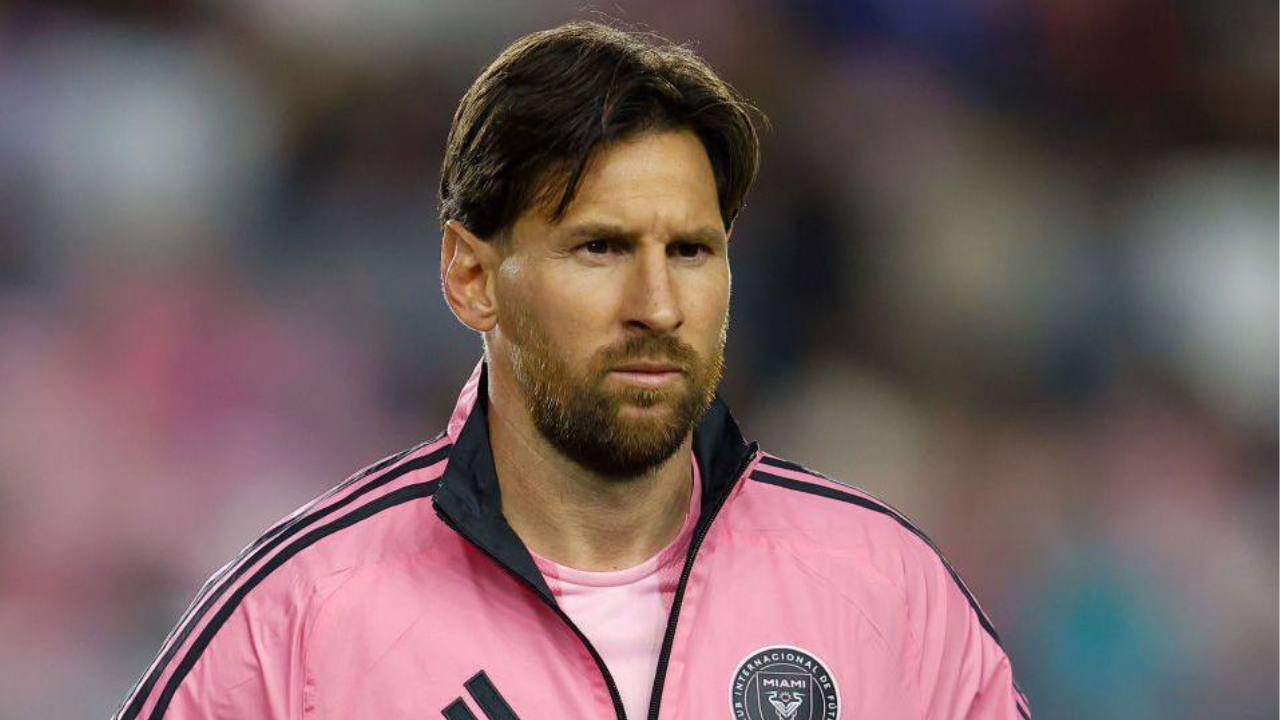
Lionel Messi faces fraud lawsuit as Florida promoter alleges huge losses after Argentina star skipped Venezuela exhibition match

Lionel Messi is facing a lawsuit from Miami company VID over a missed match in 2024. The firm claims it lost over $1 million after Messi did not play against Venezuela despite being fit. The case also involves the Argentine Football Association and follows another recent MLS-related legal settlement involving Messi’s promotional appearances.

TIME100 2026: Global Political Leaders Dominate As Trump, Pope Leo, Netanyahu Feature

TIME magazine on Wednesday unveiled its list of the ‘100 Most Influential People of 2026’, with a strong presence of political leaders shaping global discourse. Among those named were Pope Leo XIV, Donald Trump and Zohran Mamdani, alongside a host of other prominent figures from across the world. World Leaders Feature Prominently The list includes several key global leaders such as Benjamin Netanyahu, Marco Rubio, Mark Carney, Claudia Sheinbaum, Sanae Takaichi and Xi Jinping. Newly elected leaders from South Asia also found a place on the list, including Balen Shah and Tarique Rahman. Key US Figures Make The Cut Several senior US officials were also featured, reflecting their influence on domestic and global policy. These include Marco Rubio, Middle East envoy Steve Witkoff, California Governor Gavin Newsom, New York Mayor Zohran Mamdani, White House Chief of Staff Susie Wiles, Joint Chiefs of Staff head Dan Caine and Minneapolis Mayor Jacob Frey. Indian-Origin Figures Across Sectors Beyond politics, the TIME100 list also highlights individuals driving influence across industries, including three figures of Indian origin. Among them is Sundar Pichai, whose leadership continues to shape global technology and innovation, particularly in artificial intelligence and digital ecosystems. Actor Ranbir Kapoor represents the entertainment industry, reflecting the expanding global reach of Indian cinema. His profile in TIME was written by Ayushmann Khurrana, who described him as an artist who becomes a legacy through his craft rather than chasing it. Chef and restaurateur Vikas Khanna also features on the list, recognised among global figures in fashion, visual, literary and culinary arts, alongside names such as Ralph Lauren and Victoria Beckham. A Snapshot Of Global Influence The TIME100 list remains a widely recognised benchmark of global influence, spotlighting individuals shaping conversations and driving impact across sectors. This year’s list underscores the dominance of political leadership in a year marked by global tensions, while also highlighting contributions from technology, entertainment and the arts. India’s presence, though limited in number, reflects its growing footprint across key global industries.

Iran’s War Fallout: Hundreds Of Thousands Lose Jobs As Economy Crumbles

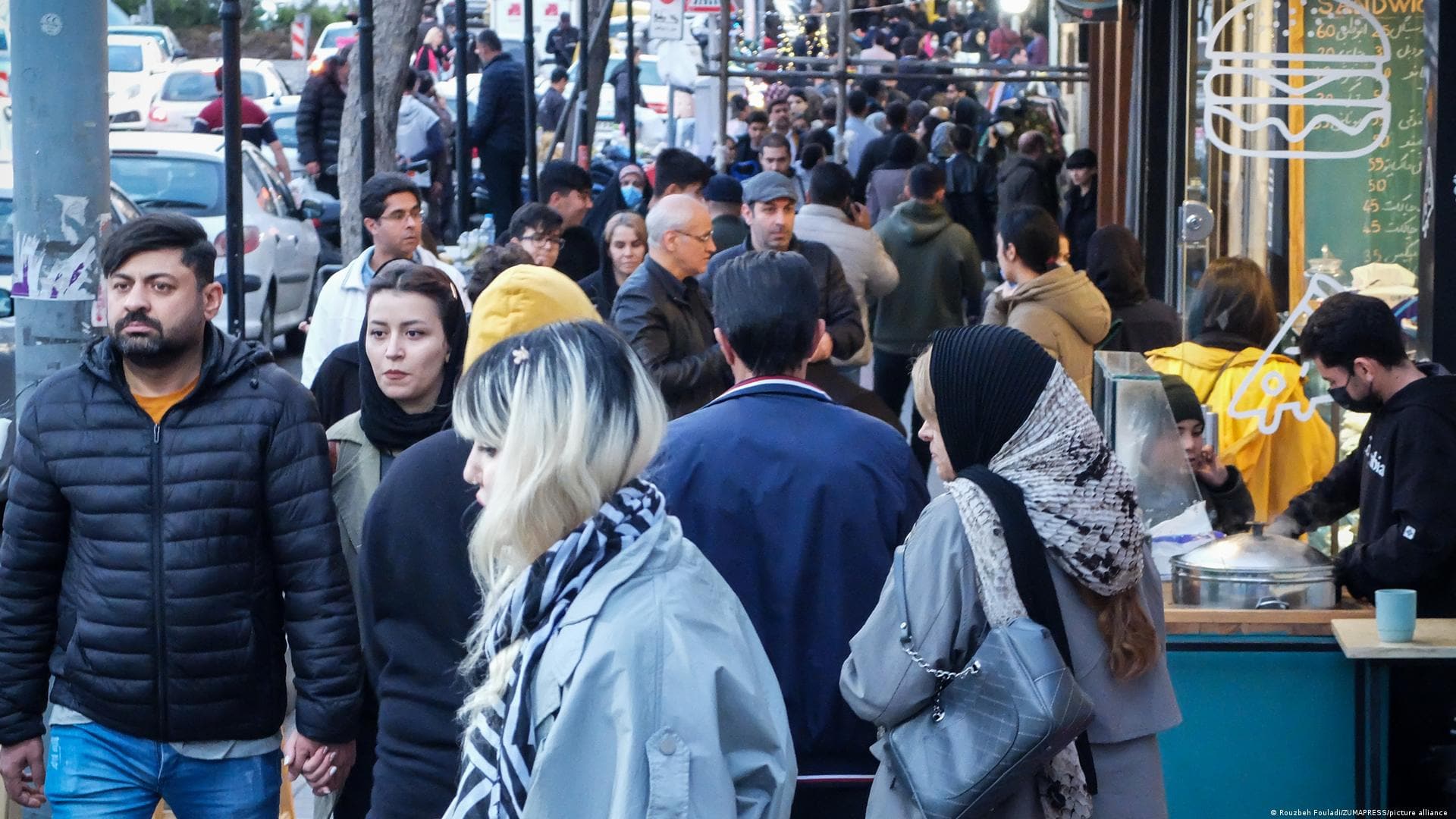
This report was originally written in German. More than 93 million people in Iran are living in the shadow of a war that could flare up again at any moment. Many Iranians are now fearing the difficult days that lie ahead. After the failed peace talks between the United States and Iran in Pakistan, Washington began blockading Iranian ports and ships in the Strait of Hormuz. The move is intended to cut Iran's oil export revenues and to prevent Tehran from charging a toll for passage through the strategic sea route. The blockade also means that goods are no longer reaching Iranian ports. War hits working Iranians the hardest "The continuation of the war — whether at the military level or in the form of blockades and regional tensions — puts the greatest pressure on ordinary people, especially workers, teachers and wage earners," trade unionist Ismail Abdi wrote in response to an inquiry from DW. The teacher and human rights activist was a member of the executive board of the Iranian Teachers' Association when he came to the attention of Iranian authorities 11 years ago because of his commitment to defending teachers' rights. Accused of "propaganda against the political system," he spent several years in prison. After international pressure — particularly from trade unions around the world — he was eventually released. Since March 2025, he has been living in exile in Germany, where he continues his work for education rights and freedom of expression. "In recent weeks, we have received shocking reports about the suffering of the working class under wartime conditions in Iran," he said. "When factories, workshops or service projects are shut down or scaled back, contract workers, day laborers and those in informal employment are the first to suffer. This process weakens workers' bargaining power and pushes wages further toward an outright collapse." The war has had devastating consequences for Iran's economy, which has long been plagued by mismanagement, corruption and sanctions. Tehran has already put the war damage at the equivalent of around €229 billion (about $270 billion), according to a preliminary estimate Iranian government spokesperson Fatemeh Mohadscherani gave in an interview with Russia's state news agency RIA Novosti on April 14. However, the true extent of the damage to the country's largest industrial facilities, which serve as engines of the economy, is not yet fully known. Tens of thousands of day laborers sent home The Mobarakeh Steel Company in Isfahan was forced to halt operations entirely after a second US-Israeli attack. The US and Israel said the strikes had weakened Iran's military capabilities. Steel is a key raw material for the production of military goods such as missiles, drones and ships. At the same time, it plays a crucial role in civilian industries, including automotive supply chains, the production of household appliances, and the packaging and canning industry. Steel is also indispensable in the construction sector. The steel industry is considered one of the main driving forces of Iran's economy. According to the World Steel Association, Iran was among the world's 10 largest steel producers in 2025 — alongside countries such as China, the United States and Germany — exporting around 31.8 million tons of steel annually. Between March 2025 and January 2026, export revenues amounted to $860 million (€741 million). With production suspended, thousands of workers were sent home, but for how long remains unclear. At least 10,000 employees in the steel industry are day laborers. A production shutdown can also trigger a chain reaction, forcing dozens of other companies that depend on these facilities also to halt their operations. Attacks on petrochemical plants will also have massive repercussions on the labor market, says Umud Shokri, an energy strategist and senior visiting fellow at George Mason University. Strikes on major petrochemical hubs in Asaluyeh (South Pars), Mahshahr and Shiraz caused significant damage and brought numerous facilities to a standstill. In industrial centers such as Mahshahr, where more than 30,000 people are employed, many are now facing sudden job losses and wage cuts, Shokri wrote in response to an inquiry from DW. "The damage extends far beyond the facilities themselves, affecting supply chains, state revenues and people's livelihoods," he added. "Even under optimal conditions, assessments based on comparable industrial complexes suggest that restoring a key hub like Mahshahr could take around two years," he said. This would require improved access to foreign technology, capital, spare parts and technical know-how — conditions that are scarcely attainable under the current sanctions regime. Mass layoffs and falling wages Job losses in the industrial sector have already created widespread insecurity. On April 14, the Iranian Labour News Agency (ILNA) dismissed all of its journalists and shifted their employment to freelance contracts. Many other companies are also reported to have begun mass layoffs. One example is the digital services sector, including platforms such as Snapp, often described as the "Iranian Uber." Despite ongoing internet restrictions imposed by the authorities since the start of the war to prevent potential protests, such services continue to operate in the country. However, fewer people are on the move because of the war, and many can no longer afford to use them. "Due to internet restrictions alone, thousands of freelancers, programmers and content producers have lost their ability to work. They are now being pushed back into the traditional, already fragile labor market," said trade unionist Abdi. "In the short term, this situation leads to falling real incomes and growing poverty among workers. In the long term, there is a risk of an exploited, less skilled and more dependent society emerging." Trade unionist Ismail Abdi has not given up on the dream of political change in Iran. But he warns that the war is primarily leading to rising poverty and increasing insecurity for disadvantaged segments of the population. "This war must be ended before its human and social costs become irreversible," he said. However, little attention seems to be paid to the Iranian population, neither by the leadership of the Islamic Republic, whose priority is staying in power, nor by the US president, despite his promises of support. From the outbreak of the war on February 28 until April 8, when a fragile ceasefire was agreed, 3,636 people were killed in Iran, according to the US‑based human rights organization HRANA. Of those, 1,701 were civilians, including at least 254 children. Disclaimer: This report first appeared on Deutsche Welle, and has been republished on ABP Live as part of a special arrangement. Apart from the headline, no changes have been made in the report by ABP Live.

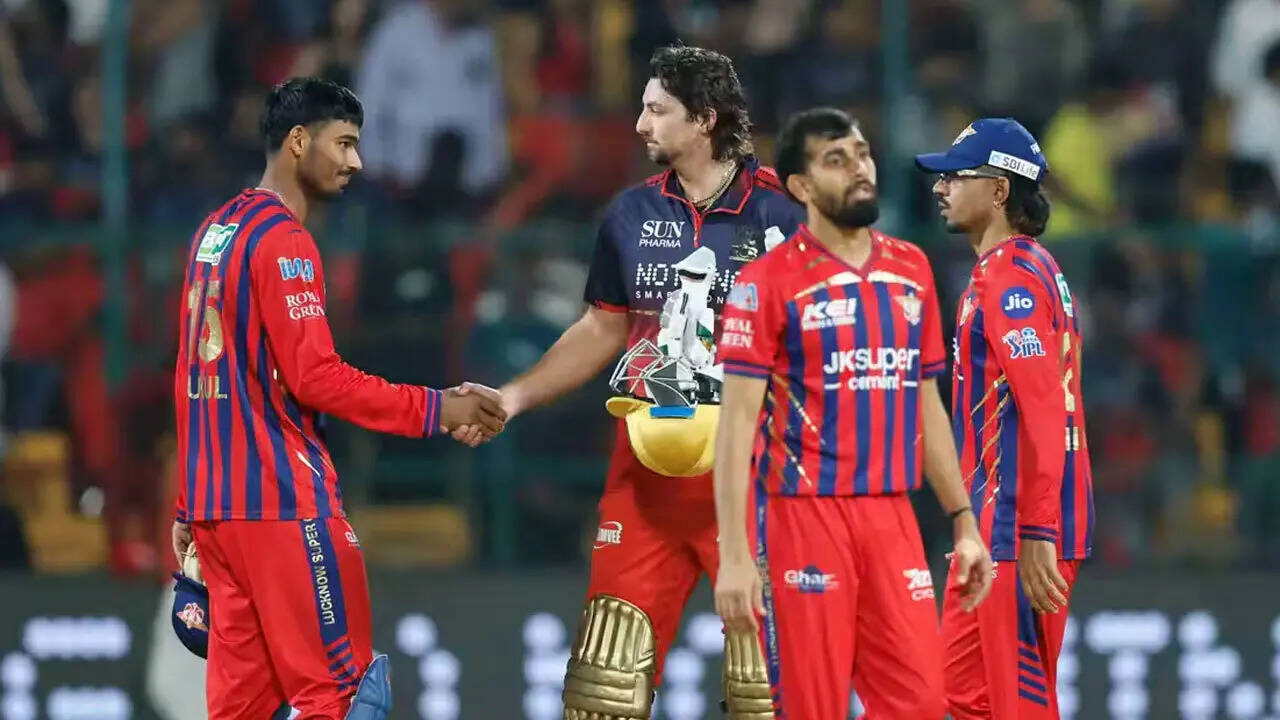
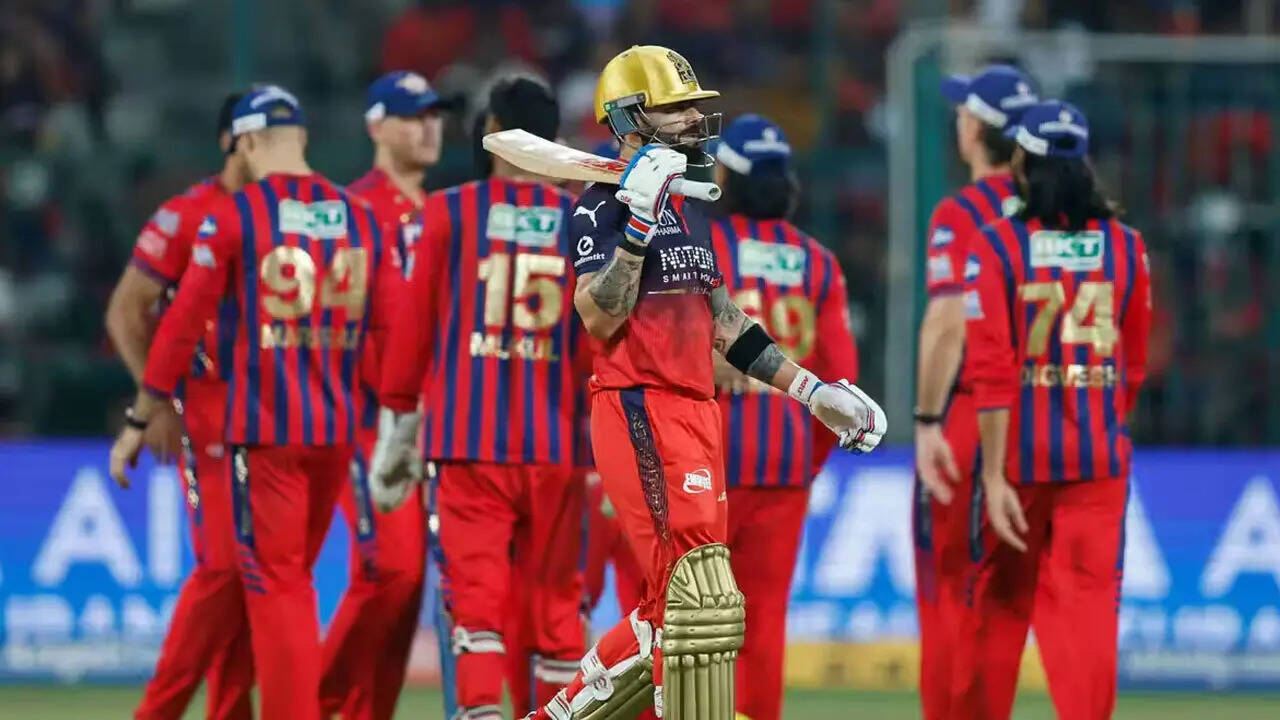
RCB vs LSG: Rasikh Salam’s 4-Wicket Masterclass Crushes Lucknow In Bengaluru

IPL 2026, RCB vs LSG Highlight: Royal Challengers Bengaluru (RCB) delivered a clinical performance at the M. Chinnaswamy Stadium to secure a dominant victory over the Lucknow Super Giants (LSG). After winning the toss and electing to bowl, RCB’s bowling unit dismantled the LSG batting lineup to set up a comfortable chase in Match 23. LSG Restricted to Season Low Lucknow Super Giants struggled to find any rhythm on a surface that traditionally favours batting. Rasikh Salam Dar was the wrecker-in-chief, claiming 4/24 to break the back of the LSG middle order. He received stellar support from veteran Bhuvneshwar Kumar, who finished with 3/27, and Josh Hazlewood, who maintained a stranglehold with an economy of just 5.00. Despite a fighting 40 from Mitchell Marsh and a late flourish of 39 from Mukul Choudhary, LSG were bundled out for 146. This total marked the lowest first-innings score of the IPL 2026 season so far, leaving the visitors with an uphill task under the Bengaluru lights. Kohli and Jitesh Anchor the Win Chasing 147, RCB faced an early hiccup when Phil Salt was dismissed by Prince Yadav, who finished with impressive figures of 3/32. However, Virat Kohli stabilized the innings with a composed 49 off 34 balls, narrowly missing a half-century when he was caught off the bowling of Avesh Khan. Following Kohli’s departure, Jitesh Sharma took charge of the momentum, smashing 23 off 9 balls, including two massive sixes, to bring the target within reach. Although Prince Yadav sparked a late tremor by dismissing both Rajat Patidar and Jitesh in a single over, Tim David and Romario Shepherd ensured there were no further stumbles, guiding RCB home with five wickets and five overs to spare.

//