Language Settings
Select Website Language
newshunt
newshunt

Filters

Channels
Topics
Other Filters

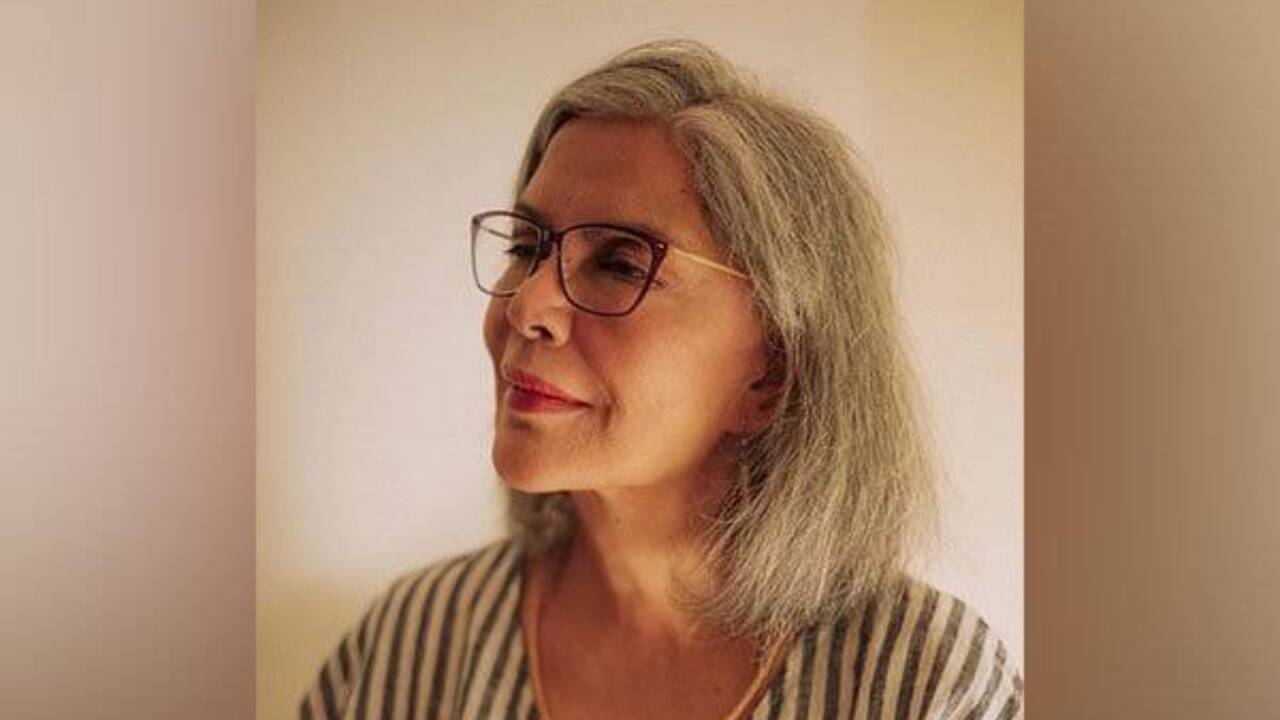
Zeenat Aman reveals her parents got divorced when she was 2 years old

Zeenat Aman, daughter of screenwriter Amanullah Khan, never aspired to act, initially dreaming of an academic career abroad. Raised by her mother after her parents' separation, she felt little cinematic influence. A successful modeling career unexpectedly led to films, a path she saw as a "momentary thing" away from her academic pursuits. Dev Anand's recognition launched her into stardom, redefining the Hindi film heroine.

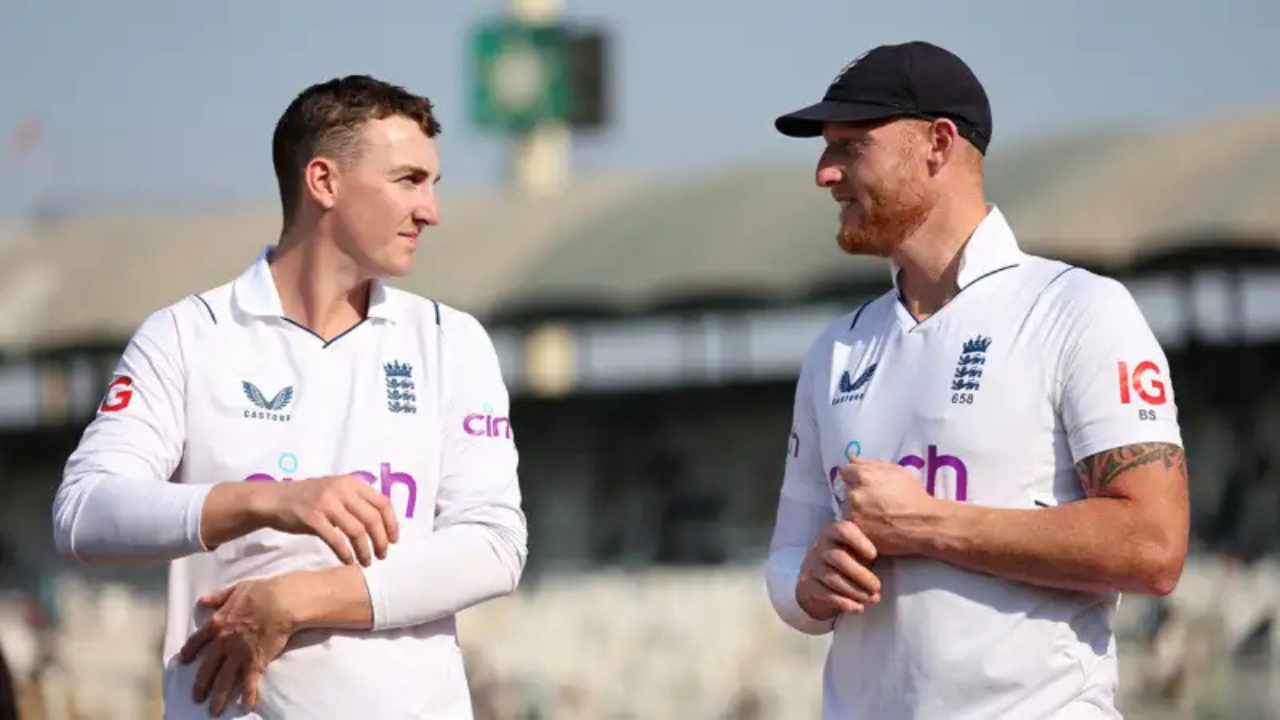
After Stokes' retirement, Brook says he'd 'be happy to take' Test captaincy

England's Test captaincy is up for grabs following Ben Stokes' retirement. White-ball skipper Harry Brook has emerged as a strong contender, expressing his eagerness to lead the team in the longest format, calling it the 'pinnacle' of the game. Brook also backed Joe Root's temporary captaincy during the recent New Zealand series, emphasizing his invaluable contribution to English cricket.

Spanish saying on friendship that is still true today: ‘Tell me who your friends are, and I’ll tell you who you are’

Spanish wisdom, encapsulated in "Tell me who you walk with, and I’ll tell you who you are," highlights how our companions shape our world. This age-old observation, echoed across cultures, suggests our associations reveal our values and influences. While modern digital spaces offer new forms of companionship, the core idea remains: our chosen circles profoundly impact our growth and perceptions, though they don't entirely define us.

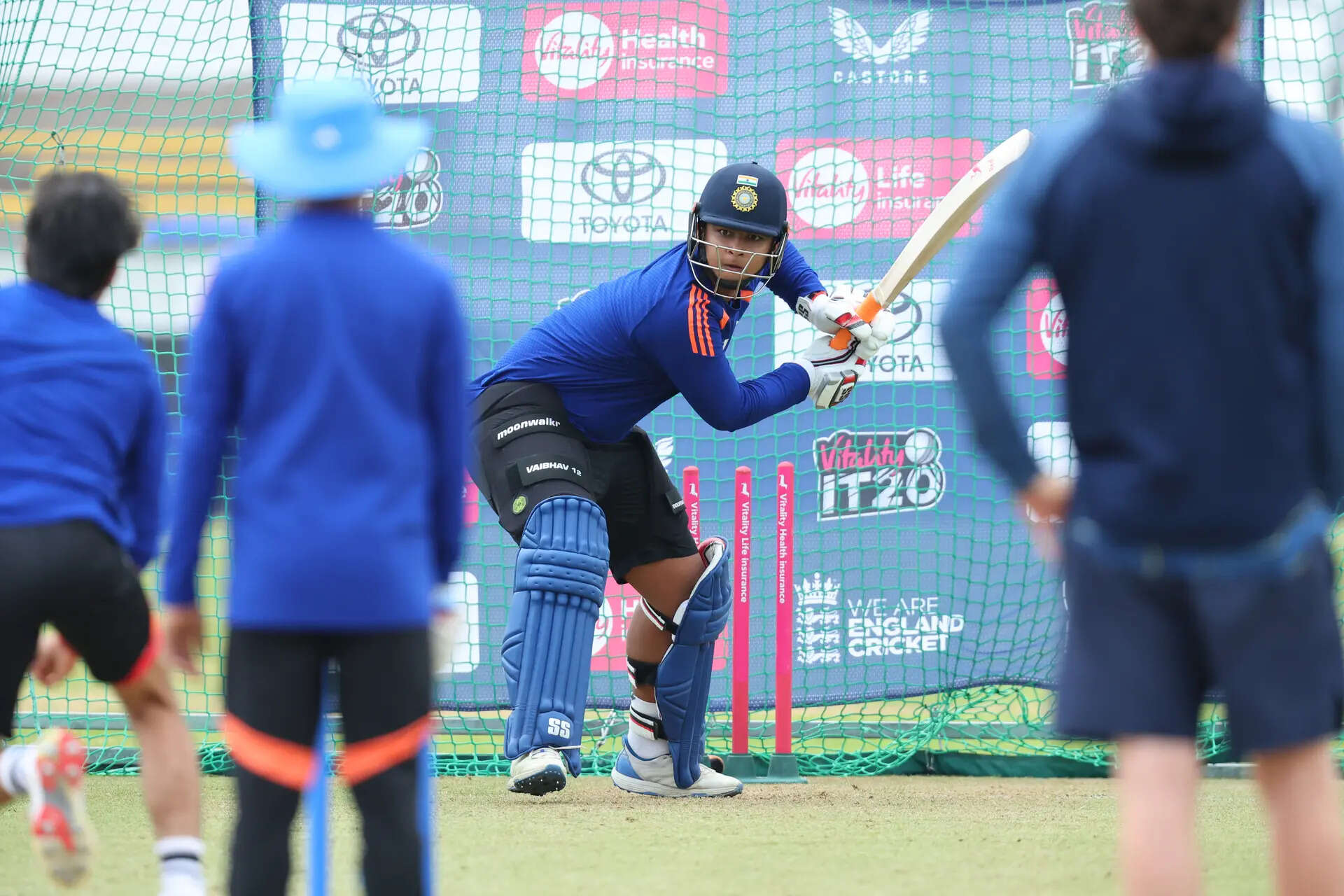
Vaibhav Sooryavanshi dubbed 'almost unplayable' as England receive major warning

England faces a significant challenge if teenage sensation Vaibhav Sooryavanshi debuts against them, according to former spinner Graeme Swann. Swann described the young batter as "almost unplayable" and noted that few bowlers have found success against him. While England's bowlers will be tested, Jofra Archer might possess an edge due to his IPL experience with Sooryavanshi. The highly anticipated debut follows Sooryavanshi's stellar IPL 2026 season.

Drinking During a Heatwave? Here's Why It Could Put Your Health at Risk

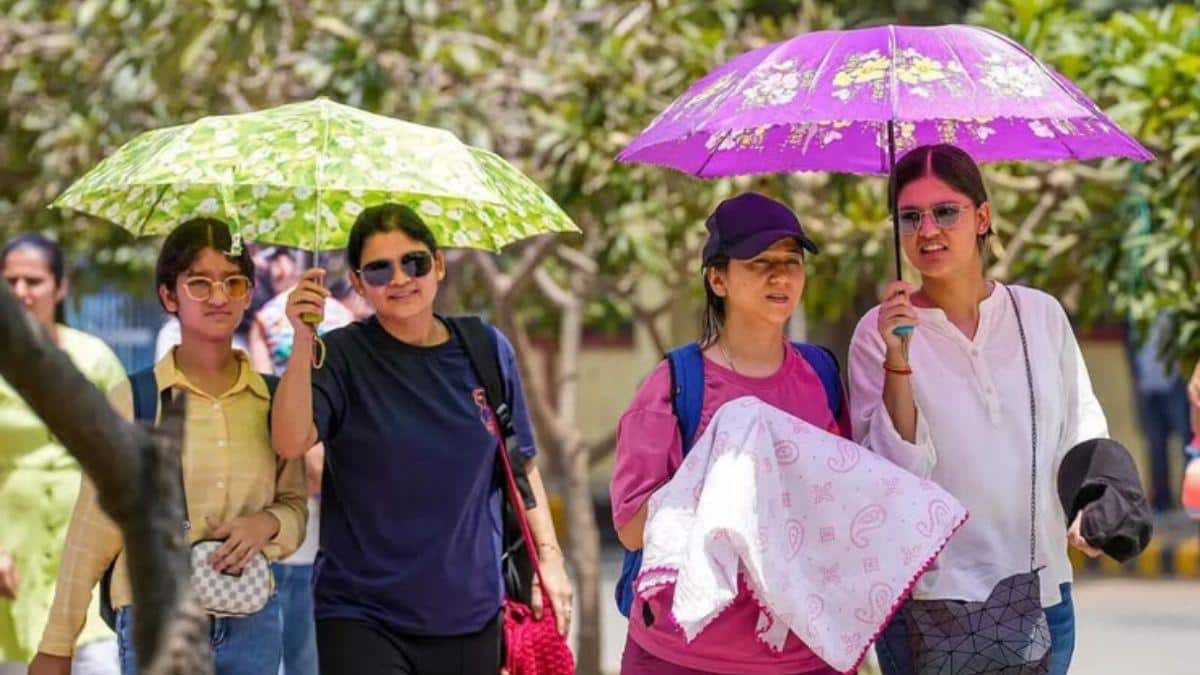
Holidays, picnics, beach excursions, pool parties and outdoor get-togethers with loved ones are common summertime activities. These events are often accompanied by alcoholic beverages for many people. Even though having a drink might appear harmless, the body can be severely strained when alcohol is combined with high temperatures and humidity. Drinking alcohol during a heatwave increases the danger of dehydration, heatstroke and major accidents, according to health experts; therefore, it's crucial to take extra precautions. Alcohol And Hot Weather Are A Risky Combination Alcohol increases the production of urine; it works as a diuretic, causing the body to lose more fluid. In an effort to control its temperature, the body perspires more in hot and muggy weather. Rapid dehydration can result from these two variables working together. Vomiting after drinking alcohol increases the risk because the body loses vital electrolytes that are necessary for appropriate muscle and nerve function. While severe fluid loss may necessitate immediate medical attention, dehydration can induce headaches, dizziness, exhaustion, confusion and cramping in the muscles. While it cannot totally counteract the effects of alcohol, drinking lots of water can help lower this risk. ALSO READ |5 Types Of Body Pain Women In Their 30s Should Never Ignore: Symptoms, Causes And Prevention Heatstroke Is A Serious Medical Emergency The increased risk of heatstroke is one of the biggest risks associated with alcohol consumption during periods of high heat. Sweating is how the body typically cools itself, according to the Penn Foundation. However, this natural cooling mechanism is less effective when dehydration sets in, which causes the body temperature to rise quickly. Severe headache, lightheadedness, disorientation, fainting, convulsions, nausea and acute weakness are all possible signs of heatstroke. Heatstroke can harm important organs and prove fatal in extreme situations. Anyone who has these symptoms ought to get medical help right away. Swimming, Boating After Drinking Can Be Dangerous Alcohol affects balance, coordination, judgment and reaction time in addition to dehydration. This makes swimming in a lake, river, swimming pool or by the sea very dangerous after drinking. The risk of slipping, drowning or misjudging distances in the water can be increased by decreased awareness and slower reactions. Additionally, drinking alcohol makes boating much riskier. While on a boat, it's crucial to stay balanced and make intelligent decisions, but drinking alcohol can lead to overconfidence and bad judgment, which increases the risk of accidents. ALSO READ |One In Three Indians Has Fatty Liver, Says JP Nadda; Calls For Awareness Stay Safe When Drinking During a Heatwave Moderation is crucial if you decide to consume alcohol in the summer. Health professionals advise avoiding prolonged exposure to direct sunlight, keeping in cool or shady settings and drinking lots of water to stay hydrated. Alcohol greatly raises the chance of accidents and injuries; thus, it should be avoided before driving, boating, or swimming. You may enjoy the summer more safely by taking these easy steps to avoid dehydration, heatstroke and other potentially fatal situations as heatwaves grow more common and temperatures rise. Disclaimer: The information provided in the article is intended for general informational purposes only. It is not a substitute for professional medical advice, diagnosis, or treatment. Always seek the advice of your physician or other qualified healthcare provider with any questions you may have regarding a medical condition.

Amid Deepika's 8-hour shift row, Rajkumar Hirani says THIS about Ranbir

Filmmaker Rajkumar Hirani lauded Ranbir Kapoor's dedication during the filming of 'Sanju,' revealing the actor arrived at 3 am daily for a grueling 4-5 hour makeup session to portray Sanjay Dutt. Despite 12-hour shoots, Kapoor never complained, showcasing a commitment that contrasts with current discussions about shorter work shifts in the industry. Hirani emphasized that committed actors understand the demands of finishing a project.

What Is SUMAN Roadmap 2030? India's New Push For Safer Mothers And Healthier Newborns

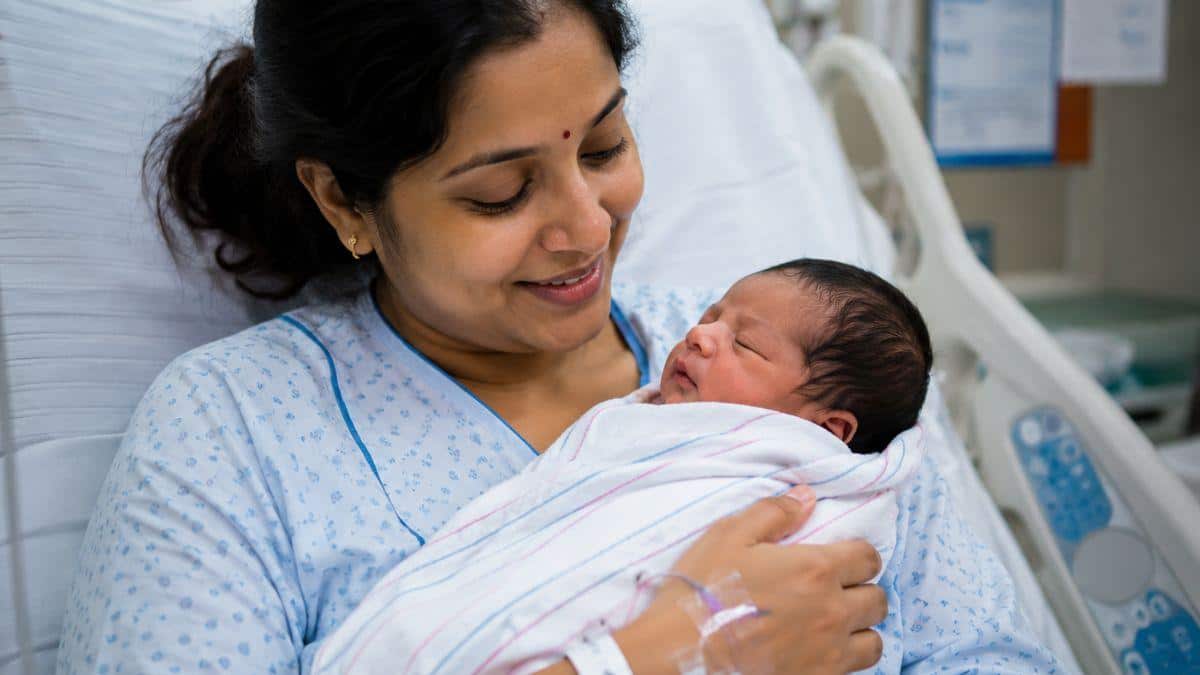
Over the past 20 years, India has steadily improved the health of mothers and newborns, but in certain areas, avoidable fatalities during pregnancy, childbirth and the neonatal period continue to be a public health concern. In order to close these gaps, the Ministry of Health and Family Welfare (MoHFW) has introduced the SUMAN Roadmap 2030, a national strategy that supports India's commitment to attaining the Sustainable Development Goals (SDGs) while enhancing the quality, accessibility and continuity of maternal and newborn healthcare. What Is SUMAN Roadmap 2030? A government project called SUMAN or Surakshit Matritva Aashwasan aims to guarantee that all pregnant women, mothers and newborns receive prompt, courteous, high-quality healthcare without facing financial obstacles. Building on this initiative, the SUMAN Roadmap 2030 offers a long-term framework for improving nutrition, family planning, maternal health and newborn care through evidence-based treatments and more robust healthcare infrastructures. The roadmap enables policies to be customised to the requirements of specific states and districts rather than implementing a single national strategy. It is also built around the RMNCHA+N Framework, which includes Reproductive, maternal, newborn, child, adolescent and nutrition health.  ALSO READ |What Is Popcorn Lung? Experts Explain The Rare Disease, Symptoms And Treatment Life-Cycle Approach To Maternal Care The roadmap's life-cycle approach, which supports women at every stage of pregnancy from prenatal counselling and care to safe birthing and after-service, is one of its main characteristics. Additionally, it helps build a more cohesive healthcare system by integrating maternal care with infant health, child nutrition, adolescent health and family planning. The World Health Organization (WHO) states that many maternal and infant fatalities can be avoided by having access to high-quality prenatal care, trained birth attendants and postnatal care. The best strategies to enhance outcomes for moms and babies continue to be early detection of problems, prompt referrals and continuity of care. Greater Focus On High-Risk Pregnancies Through a planned four-stage monitoring system that covers prenatal care, the third trimester, birthing and the postoperative period, the roadmap focuses especially on identifying and managing high-risk pregnancies. This is meant to assist medical professionals in identifying issues early on and guarantee that women receive specialised care when needed. The plan also tackles real-world issues like community involvement, healthcare access in rural and tribal communities and emergency referral services. Stronger digital monitoring via the JANANI Portal, better referral networks, AI-enabled labour rooms, increased use of non-pneumatic anti-shock garments for obstetric haemorrhage, and improved maternal death reviews are some of the ways to improve the quality of treatment. The government has designated 130 districts in 13 high-focus states for focused initiatives since it recognises that maternal health outcomes differ around the nation. In addition to increasing local accountability through community involvement, these districts will receive additional support to enhance prenatal care, institutional deliveries, infant services and emergency obstetric care. ALSO READ |Health Ministry Simplifies Hospital Documentation And Reporting Guidelines To Improve Patient Care Why The Roadmap Matters By 2030, the strategy seeks to significantly reduce infant and neonatal mortality rates while bringing India's Maternal Mortality Ratio (MMR) down to less than 70 deaths per 100,000 live births. Additionally, it aims to eradicate avoidable maternal and newborn mortality and attain universal coverage of maternal and newborn health services. Experts in public health point out that improving healthcare infrastructure is insufficient on its own. In order to ensure healthier pregnancies and safer births, it is equally vital to have regular prenatal checkups, professional delivery care, postnatal follow-up, healthy nutrition and community awareness. SUMAN Roadmap 2030 has the potential to be a major turning point in India's efforts to give every family access to high-quality, egalitarian maternity and newborn healthcare if it is executed successfully.

Indian-origin truck driver killed in fuel tanker crash in Australia; wife says he was 25 years old

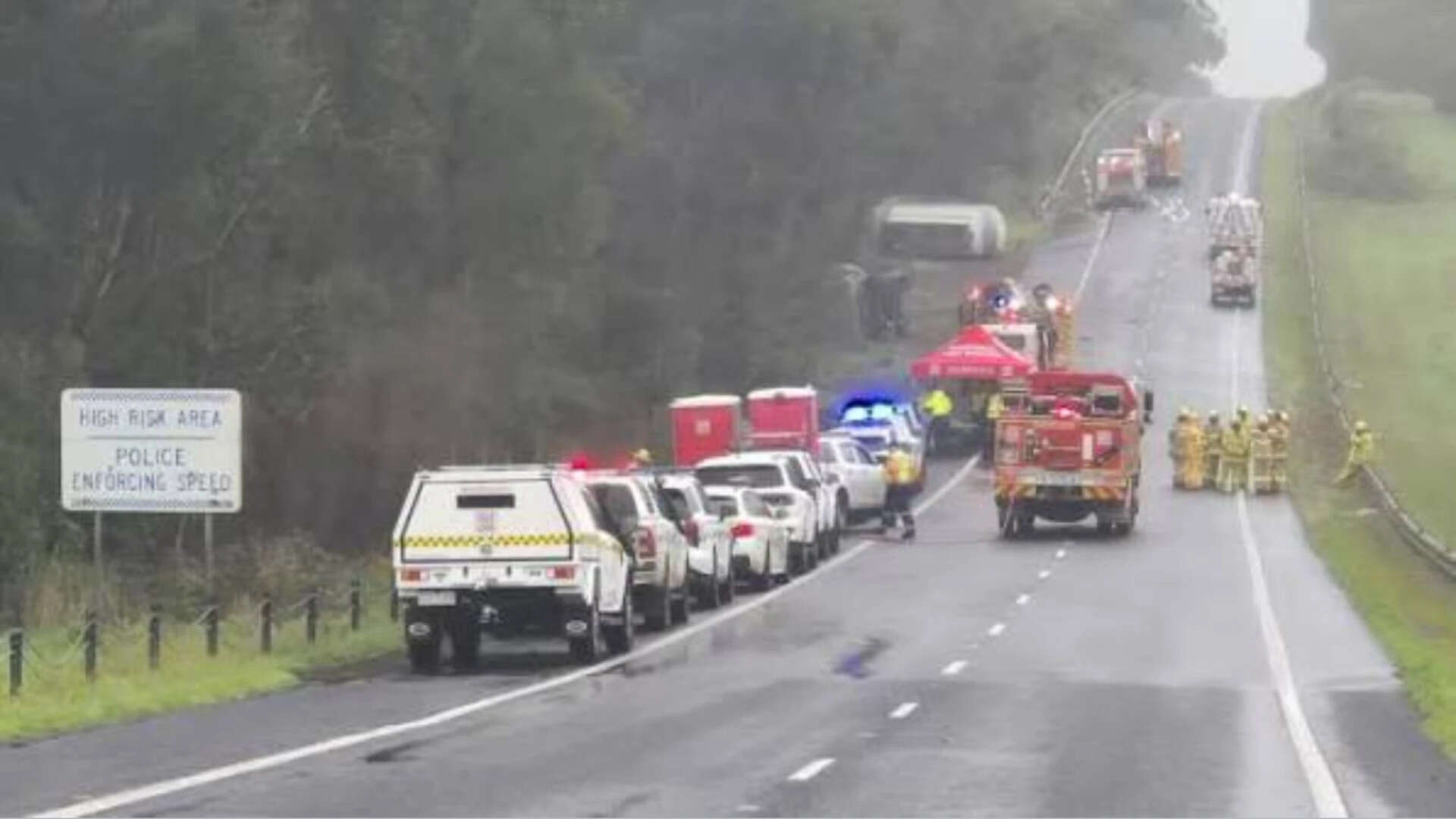
A heartbreaking incident unfolded on Victoria's Princes Freeway, taking the life of 25-year-old Ashwani Sharma, an Indian-origin truck driver. His fuel tanker overturned close to Warragul, leading to major road closures and a hazardous spill. In the wake of this tragedy, Sharma's wife has voiced her sorrow and is seeking community support to cope with the significant emotional and financial burdens following his unexpected demise.

Could Staying Up Late Increase Risk Of A Mini Stroke? Experts Warn Against Chronic Sleep Deprivation

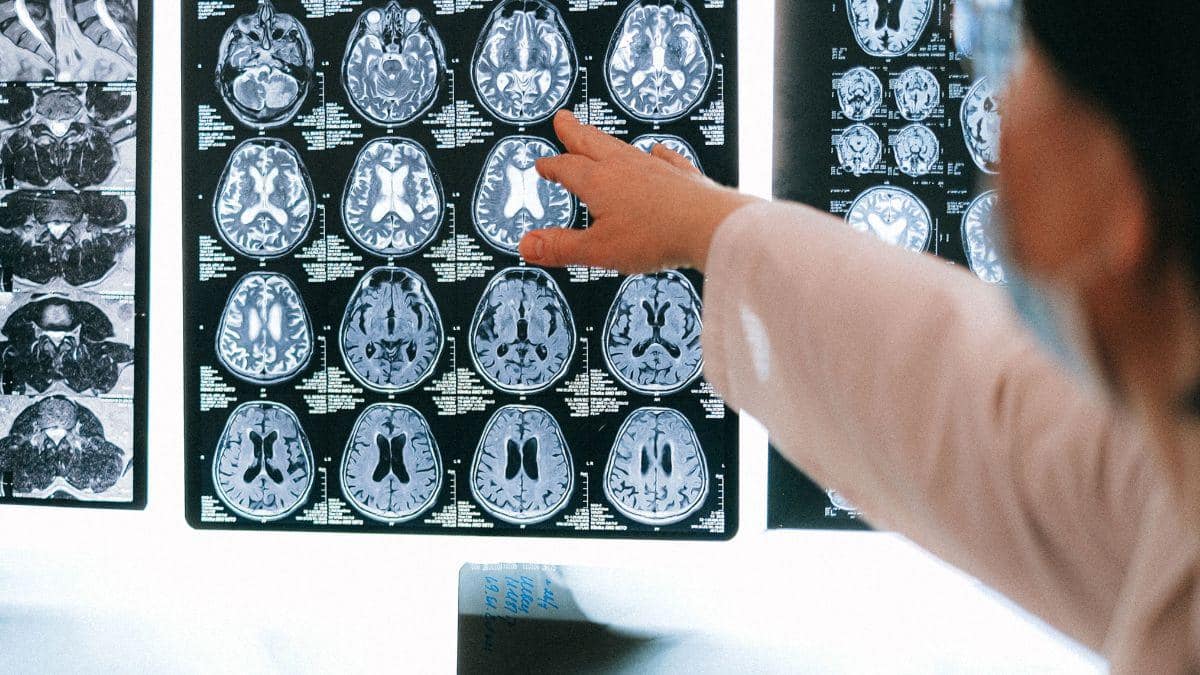
In today's always connected society, bedtime typically arrives much later than expected. Many individuals routinely forgo sleep without thinking about the long-term effects, whether it's due to catching up on work emails, binge-watching television or incessantly browsing through social media. While missing a few hours of sleep may seem harmless, experts warn that prolonged sleep deprivation could increase the risk of serious neurological diseases including a Transient Ischaemic Attack (TIA), generally referred to as a tiny stroke. Rise Of 'Revenge Bedtime Procrastination' Health professionals have increasingly drawn attention to a behaviour known as 'revenge bedtime procrastination'. The phrase refers to the practice of purposefully postponing sleep in order to recover personal time following a long day, even when one is aware that the body requires rest. Dr Chandana R Gowda, who is a neurologist, told The Times of India (TOI) that young professionals now frequently sleep for only a few hours, stay up late and spend a lot of time on screens. She warned that these behavioural patterns may contribute to major brain and cardiovascular health concerns over time. The NHS and the American Academy of Sleep Medicine recommend that most adults aim for seven to nine hours of quality sleep each night.  ALSO READ |What Is Popcorn Lung? Experts Explain The Rare Disease, Symptoms And Treatment What Is A Mini Stroke? A transient ischemic attack (TIA), a medical term for a small stroke, happens when blood flow to a portion of the brain is momentarily cut off. Doctors emphasise that a TIA should never be written off as innocuous, even if the blockage normally clears itself in a matter of minutes and symptoms frequently go away rapidly. The US National Institutes of Health (NIH) estimates that one in three individuals who have a transient ischemic attack (TIA) will go on to have a complete stroke, with over half of these occurring within the first year. Because of this, many people consider a TIA to be a serious warning sign that needs to be evaluated right away. Why Can Lack Of Sleep Increase The Risk? According to Dr Gowda, long-term sleep loss puts the body under a lot of stress. The neurologist claims that getting too little sleep raises stress hormone levels, raises blood pressure, causes inflammation and interferes with regular metabolic processes. When combined, these alterations may raise the risk of a future stroke as well as a mini stroke. Long-term sleep deprivation is also linked to high blood pressure, obesity, type 2 diabetes and heart disease, all known risk factors for stroke, according to research published by the National Heart, Lung and Blood Institute (NHLBI). Know The Warning Signs The fact that the symptoms of a small stroke are frequently transient and may go away before seeking medical attention is one of the main difficulties. If you have sudden weakness or numbness, especially on one side of the body, difficulty speaking or comprehending speech, facial drooping, blurred or double vision, dizziness, loss of balance or abrupt confusion, experts advise getting medical help right away. These symptoms should never be disregarded because they could be an early warning sign of a severe stroke, even if they only last a few minutes and go away on their own. ALSO READ |5 Types Of Body Pain Women In Their 30s Should Never Ignore: Symptoms, Causes And Prevention Protecting Your Brain Starts With Better Sleep Aiming for seven to nine hours of good sleep every night, minimising screen time before bed, sticking to a regular sleep schedule and reducing stress with exercise or relaxation techniques are all recommended by experts. Good sleep not only replenishes energy but also helps control blood pressure, repair blood vessels and reduce inflammation, all of which are necessary for sustaining brain and heart health. Additionally, the American Stroke Association advises minimising sodium and highly processed foods and maintaining a balanced diet high in fruits, vegetables, whole grains and lean protein. Protecting sleep should be seen as an investment in long-term well-being, according to health experts, despite the fact that modern lives sometimes favour staying up later. Recognising the warning signs of a mini stroke, prioritising adequate rest and seeking prompt medical care when symptoms arise can significantly reduce the risk of a more serious stroke in the future. Disclaimer: The information provided in the article is intended for general informational purposes only. It is not a substitute for professional medical advice, diagnosis, or treatment. Always seek the advice of your physician or other qualified healthcare provider with any questions you may have regarding a medical condition.

IAS Officer's Workout Regime At 45 Leaves Internet Impressed: WATCH

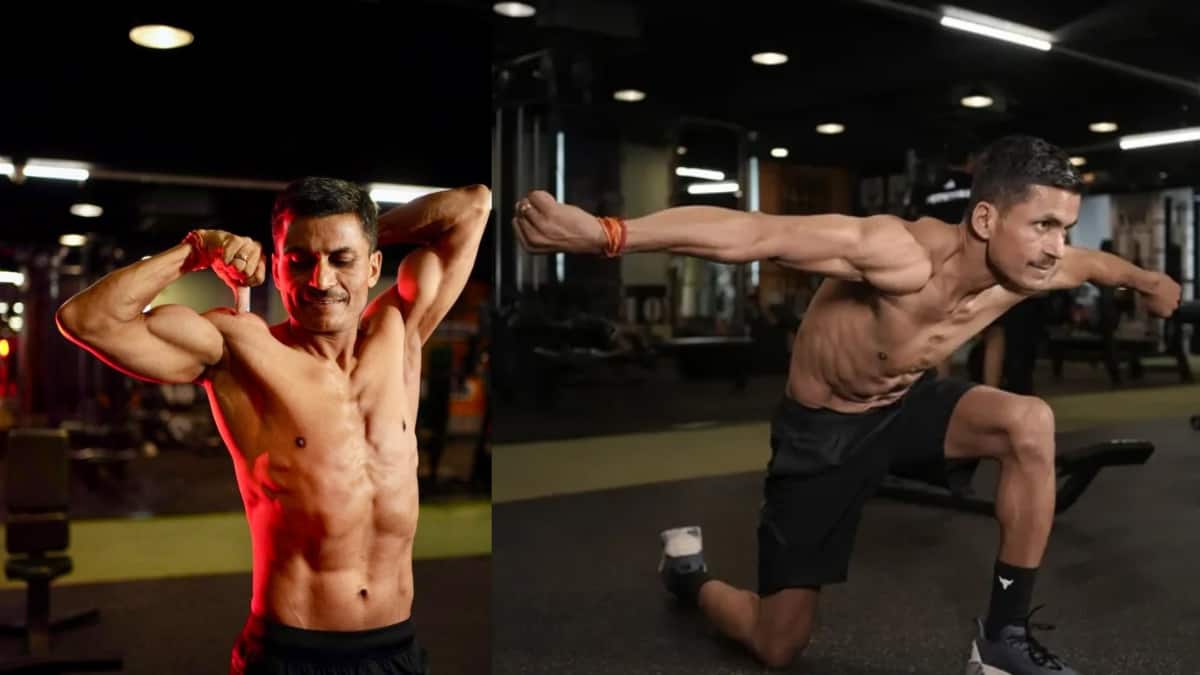
Today, fitness has become a major priority for people across the world. From gym workouts and morning runs to yoga and structured exercise routines, individuals are increasingly trying to stay healthy as modern lifestyles bring rising health issues like stress, obesity, and other diseases. Lack of awareness about proper diet and nutrition has also made fitness even more important. In such a scenario, many people are motivating others through their personal fitness journeys, including IAS officer Awanish Sharan, who has recently been in the spotlight.           View this post on Instagram                       A post shared by Indian Masterminds (@indianmasterminds) Avnish Sharan shared his fitness journey on the social media platform X, formerly Twitter, revealing that in 2020, at the age of 39, he made a firm decision to become healthier. However, the path was not easy. Due to work pressure, family responsibilities, and a busy schedule, his routine often got disrupted. In 2024, after undergoing surgery, his fitness journey came to a complete pause. After that, he shifted his focus from just weight loss to overall health and well-being, both physical and mental. Fitness Routine And Workout Plan He built a disciplined routine centred on smart exercise, balanced nutrition, quality sleep, and consistency. Strength training became a key part of his schedule, performed five to six days a week, with gradually increasing intensity. He also included cardio workouts, regular walking, stretching, and proper recovery to maintain long-term fitness. ALSO READ | 5 Types Of Body Pain Women In Their 30s Should Never Ignore: Symptoms, Causes And Prevention           View this post on Instagram                       A post shared by Awanish Sharan (@awanishksharan) Diet And Lifestyle Changes For his diet, he followed simple home-cooked meals instead of any complex plan. His meals included sufficient protein, complex carbohydrates, healthy fats, seasonal fruits, and green vegetables. He reduced processed food and sugar intake, tracked calories, and maintained proper hydration. He also emphasised getting six to seven hours of good sleep daily as an essential part of his routine. ALSO READ | Doctors Explain Why Malaria Is More Dangerous For Children And How To Prevent It Health Transformation And Results By early 2026, he set a personal goal to achieve peak fitness by June 27, his daughter Vedika’s birthday. His transformation was not only visible in weight loss but also in significant improvements in health reports. Between September 2025 and May 2026, his total cholesterol dropped from 278 to 158, LDL reduced from 205.2 to 83, HDL improved from 51 to 62.8, and triglycerides fell from 109 to 61.9.

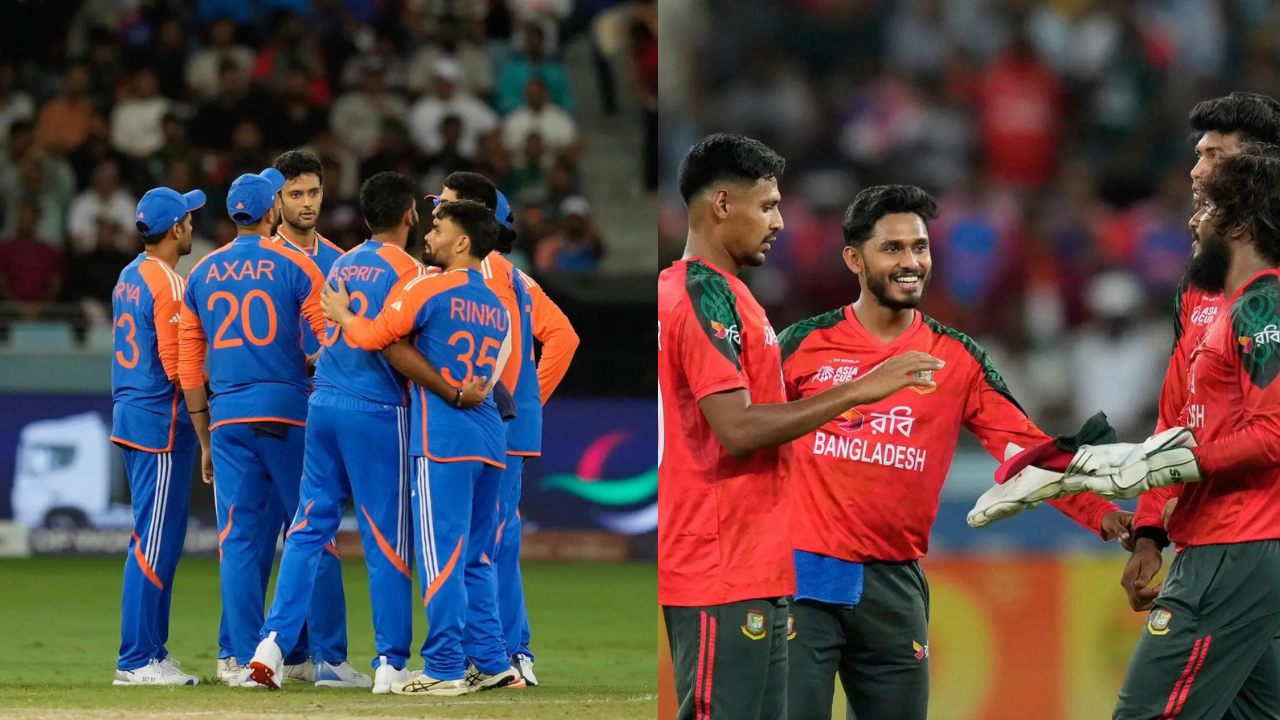
India-Bangladesh cricket ties back on track? BCB's media rights tender sparks hope

India and Bangladesh are poised to resume cricketing ties with a six-match white-ball series in September. The Bangladesh Cricket Board has initiated the process by floating a tender for media rights, signaling a potential thaw in relations after a year of strain. This development follows earlier postponements and diplomatic complexities, with the series tentatively scheduled to begin in early September.

Here's what you didn't know about 'Toxic' star Yash

Yash's upcoming film 'Toxic' is generating buzz with its 'Ladies & Ladies' glimpse, highlighting powerful female characters. The article delves into 10 lesser-known facts about the star, from his humble beginnings as Naveen Kumar Gowda and his father's bus driver job to his bold decision to pursue acting with just Rs 300.

EXCLUSIVE | Asus Is Betting India's Next PC User Won't Buy A 'Regular' Laptop

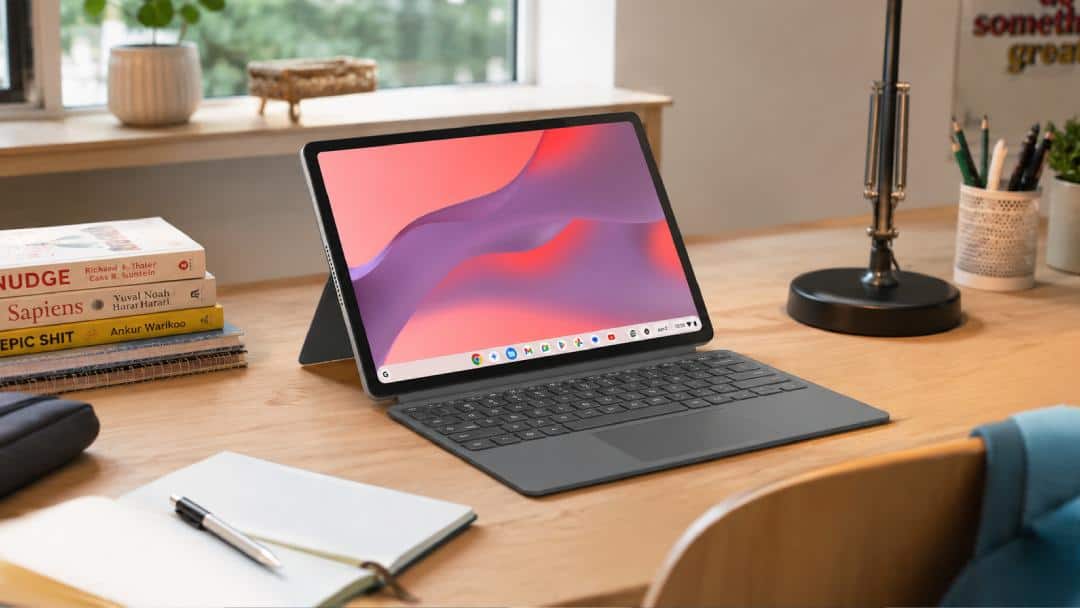
For years, Chromebooks occupied a tiny corner of India's laptop market, overshadowed by Windows machines that dominated classrooms, offices and homes. Asus now believes that equation is beginning to change. The company is expanding its Chromebook lineup in India, including the launch of the Asus Chromebook CM32 Detachable, a two-in-one device that can function as both a laptop and a tablet. Behind the move is a broader bet: that millions of Indians who have grown up on smartphones may not necessarily want a conventional PC experience when they buy their first computer. "The Indian PC market is evolving in ways that are creating new opportunities for categories that were previously considered niche," Arnold Su (pictured above), Vice President, Consumer and Gaming PC, System Business Group, Asus India, told ABP Live English. The wager comes at a time when India's PC market is showing signs of renewed momentum. PC shipments rose 31.9 per cent year-on-year to 4.4 million units during the first quarter of 2026, according to industry data cited by Asus, driven by notebook demand and government-backed education programmes. Yet the company's thesis extends beyond shipment growth. ALSO READ: Asus TUF Gaming A14 Review: A Gaming Laptop Without GPU? What A Time To Be Alive The Smartphone Generation Comes Of Age For nearly a decade, India's digital revolution has been powered by smartphones. More than 900 million Indians now use the internet, with mobile devices serving as the primary gateway to everything from entertainment and payments to education and communication. Asus argues that many of those users are now reaching a point where a phone is no longer enough. Students need larger screens for assignments. Young professionals need keyboards for productivity. First-time computer buyers want devices that can handle research, collaboration and content creation without the complexity traditionally associated with PCs. Rather than replacing smartphones, Chromebooks are emerging as a second screen for the smartphone generation. "We do not necessarily see Chromebooks replacing smartphones or tablets. Instead, they are increasingly emerging as a complementary category that bridges the gap between mobile devices and traditional PCs," Su said. Because ChromeOS is deeply integrated with Google's ecosystem and supports Android applications, Asus believes the transition feels familiar to users already comfortable with Android smartphones. The Real Challenge Isn't Price Conventional wisdom suggests Chromebooks win on affordability. Asus agrees price matters, but says cost is no longer the biggest obstacle. The larger problem is awareness. For decades, Indian consumers have equated personal computing with Windows. Many buyers continue to judge Chromebooks using the same criteria they apply to traditional laptops, often overlooking cloud-based workflows that increasingly define how younger users work and learn. "Millions of Indians are highly comfortable using Android devices and Google services, yet many have never owned a personal computer," Su said. To lower barriers, Asus has introduced financing plans with no-cost EMIs starting at Rs 5,165 per month. But executives believe changing consumer perceptions will be more important than reducing sticker prices. The company has launched initiatives such as Asus Live, where potential buyers can experience Chromebooks through demonstrations and interactive sessions. ALSO READ: Asus Zenbook 14 Review: All That AI Talk, But It’s The Screen That Steals The Show Why Asus Thinks AI Could Be Chromebook's Moment The rise of artificial intelligence may offer another opening. Much of the industry's AI conversation has centred around premium AI PCs equipped with dedicated neural processing units and high-end processors. Asus, however, sees a different path emerging. As cloud-based AI services become more powerful, Chromebooks could offer access to many of the same productivity benefits without expensive hardware. The latest Asus Chromebooks include access to Google AI Pro, which bundles Gemini AI tools, NotebookLM and 5TB of cloud storage. "From a consumer perspective, the focus should not be on where AI is processed but on the value it delivers," Su said. That view reflects a growing debate across the technology industry. While manufacturers race to market AI PCs, cloud-based AI services are making advanced capabilities available on a wider range of devices. Betting On Schools And Flexible Computing Education remains central to Asus' Chromebook strategy. The company has partnered with the VIDYA Foundation to support digital literacy programmes for more than 6,000 students across Mumbai, Goa and Gujarat. Through the Asus Foundation, it has also established computer labs in schools across Ladakh. At the same time, Asus is betting that form factors themselves are changing. The Chromebook CM32 Detachable arrives as consumers increasingly seek devices that blur the line between laptop and tablet. Hybrid work, digital classrooms and mobile productivity are driving demand for touchscreens, stylus support and lightweight designs that can adapt to multiple environments. Historically, such devices struggled with trade-offs involving price, performance and battery life. Asus argues those compromises are shrinking.  Whether Chromebooks become mainstream in India remains uncertain. Windows still dominates personal computing, and consumer habits change slowly. But Asus believes the next phase of India's digital journey may look very different from the last. Instead of asking millions of smartphone users to adapt to traditional PCs, the company is betting that PCs will have to adapt to them.

World’s Most Expensive Coffee Is Made From Droppings Of This Animal, Per Cup Costs Rs 8,000

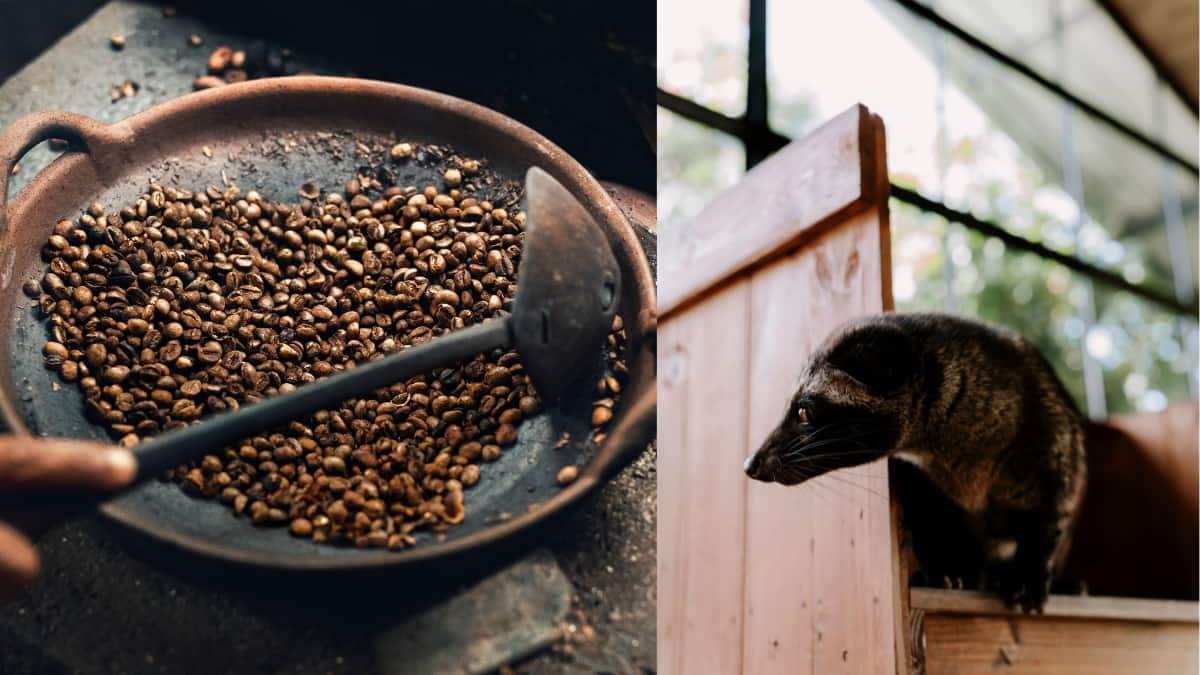
There’s no shortage of coffee lovers in the world, but few know about Kopi Luwak one of the rarest and most expensive coffees on the planet. It may sound unusual, but this coffee is made using beans that have passed through the digestive system of a wild animal. A single cup can cost over Rs 8,000, while a kilogram may range from Rs 50,000 to over Rs 1 lakh. ALSO READ | Sanjeev Kapoor Joins MasterChef Australia As Guest Judge, Says 'Show Is Competitive Yet Likeable' The Story And Process Kopi Luwak comes from Southeast Asia, especially Indonesia, and is linked to the Asian palm civet, a nocturnal wild animal found in forests across Java, Sumatra, and Sulawesi. The civet eats ripe coffee cherries, but the beans inside are not fully digested. These beans are later excreted, collected, cleaned, and roasted to make coffee. During digestion, natural enzymes reduce bitterness, resulting in a smoother, richer flavour with subtle chocolate-like notes. Civets also tend to pick only the ripest cherries, which originally contributed to its unique quality. ALSO READ | West Bengal Mid-Day Meal Debate: Can Paneer And Soybean Replace Eggs For Children’s Nutrition? Why It’s Special And Controversial What makes Kopi Luwak famous is its unusual production process and distinctive taste, which many coffee lovers find exceptional. However, its popularity has also led to ethical concerns. In several places, civets are captured and kept in cages to mass-produce the coffee, often being force-fed cherries and deprived of their natural environment. This can cause severe stress, illness, and even early death. While regulations exist, enforcement is inconsistent, making Kopi Luwak a luxury drink surrounded by ongoing controversy.

Delhi EV Policy 2026: No Road Tax, Bigger Subsidies, Petrol Bikes Out By 2028

The Delhi government has officially launched the Delhi EV Policy 2026, outlining an ambitious roadmap to accelerate vehicle electrification in the national capital. The policy will remain in force until March 31, 2030, and is backed by an outlay of Rs 7,000 crore aimed at gradually phasing out internal combustion engine (ICE) vehicles. Road Tax And Registration Fee Waiver To encourage electric vehicle adoption, the government has announced a 100 per cent waiver on road tax and registration fees for eligible EVs. For passenger cars, the exemption applies only to electric vehicles priced up to Rs 30 lakh (ex-showroom). Electric cars priced above that threshold will continue to attract standard taxes. Purchase Subsidies Through Direct Benefit Transfer The policy also provides direct purchase incentives, which will be transferred to buyers through the Direct Benefit Transfer (DBT) mechanism. The subsidies include: Electric two-wheelers: Up to Rs 30,000 Electric three-wheelers: Up to Rs 50,000 N-1 electric trucks (under 3.5 tonnes): Up to Rs 1,00,000 Timeline For Phasing Out New ICE Vehicle Registrations The policy sets clear deadlines for ending registrations of new petrol, diesel and CNG vehicles in select categories. ALSO READ: Delhi EV Policy: Best Electric Cars Below Rs 30 Lakh From January 1, 2027, registrations of petrol, diesel and CNG-powered L-5 category auto-rickshaws (passenger and cargo) and N-1 commercial goods carriers will no longer be permitted. From April 1, 2028, all newly registered two-wheelers in Delhi must be electric. Scrappage Incentives For Older Vehicles The government has earmarked more than Rs 1,500 crore for vehicle scrappage incentives to encourage owners to replace older internal combustion engine vehicles with electric alternatives. The incentives are: Four-wheelers: Rs 1,00,000 Two-wheelers: Rs 10,000 Three-wheelers: Rs 25,000 N-1 commercial trucks: Rs 50,000 Commercial Fleets And School Transport To reduce emissions from commercial transport, the policy provides a special incentive for heavy-duty electric trucks. The first 1,000 N-2 electric trucks (3.5 to 12 tonnes) purchased within three months of the policy notification will receive a 10-year exemption from Delhi's 'No Entry' restrictions. The policy also mandates a phased transition for school transport fleets. Operators must convert: 10 per cent of their fleet to EVs within two years 20 per cent by the third year 30 per cent by March 2030 Charging Infrastructure Expansion To support the transition, the Delhi government aims to install more than 30,000 active EV charging points across the city during the policy period. ALSO READ: Delhi EV Policy 2026: New Rules Come Into Effect From July 1. Here's What We Know

//