Language Settings
Select Website Language
newshunt
newshunt

Filters

Channels
Topics
Other Filters

Foreigner Takes Holy Dip In Ganga Wearing Bikini; Viral Video Sparks Online Debate

A viral video from Rishikesh has set the internet abuzz, showing a foreign tourist taking a holy dip in the River Ganga while wearing a bikini near the iconic Lakshman Jhula. The clip, rapidly circulating across social media platforms, has triggered a heated debate over the balance between personal freedom and respect for cultural and religious traditions. While some view the act as harmless, others argue it crosses the line of cultural sensitivity in one of India’s most revered spiritual locations. इस महिला को Ganga जी मे ऐसे नहीं जाना चाहिए,बल्कि साड़ी पहन कर घुँघट डाल कर नहाने जाना चाहिए 😂😂😂 pic.twitter.com/14cod9Gq2T — ❤️ RaGa❤️ (@RaGakiDeewani) October 21, 2025 ALSO READ: Samosa Payment Dispute Turns Dangerous At Jabalpur Station; Vendor Arrested After Passenger’s Near-Miss Supporters Cite Intentions And Double Standards Many social media users have defended the tourist, suggesting her actions were innocent and not meant to offend. Some pointed out the apparent double standards, noting that Indian men often bathe in minimal clothing or undergarments at rivers without facing similar scrutiny. One comment highlighted, “Aadmi log kachcha pehan kar nahaye toh woh disrespect nahi?” Others simply suggested that the tourist may not have been aware of the cultural implications, saying, “But the girl’s intentions were not wrong while taking the dip” and “Don’t hate her. I think she didn’t think about that.” A lighter tone emerged in humorous responses as well, with one social media user joking about local men in underwear bathing along the river, making the discussion a mix of serious debate and satire. Critics Raise Concerns About Cultural Sensitivity On the other hand, a significant portion of netizens criticised the act as being insensitive to religious sentiments and the sanctity of the Ganga. Some argued that visitors to sacred Indian sites should be aware of appropriate behaviour, and one user even called on the Ministry of Tourism to issue clear guidelines. Comparisons with other conservative countries were drawn, warning that similar behaviour elsewhere could lead to serious consequences. The incident underscores the tension between individual expression and traditional values, especially in spiritual destinations like Rishikesh, which annually attracts thousands of foreign tourists seeking a cultural and spiritual experience.

Post-Diwali Health Tips: 8 Essential Tips To Prevent Air Pollution-Related Diseases

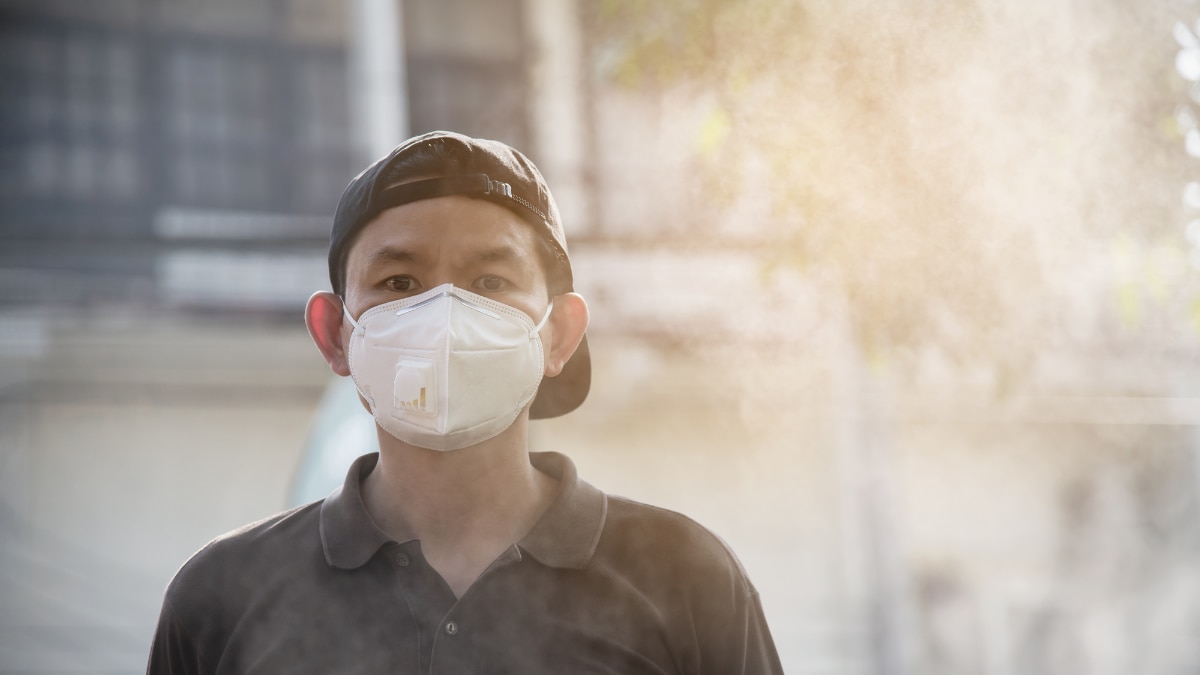
As the festive lights fade, a thick blanket of smog continues to hang over Delhi and its neighbouring regions. A day after Diwali, the Air Quality Index (AQI) has plunged deep into the ‘very poor’ category, with 35 out of 38 monitoring stations flashing red. With air pollution levels expected to rise further, it’s crucial to take proactive measures to protect yourself and your loved ones from pollution-related illnesses. Here are some essential tips to prevent diseases caused by air pollution: Refrain From Early Morning Walks While morning walks are generally healthy, high pollution levels during early hours can do more harm than good. Pollutants are denser in the cool morning air and can irritate your lungs and airways, triggering asthma, coughing, or chest discomfort. Use Air Purifiers Indoors Invest in an air purifier to minimize indoor pollution. These devices can help remove particulate matter, dust, and allergens, creating a cleaner and safer home environment. Ventilate Your Home Smartly On days when the air quality improves, open your windows to let in fresh air. Proper ventilation helps reduce indoor pollutants. Additionally, use exhaust fans in kitchens and bathrooms to drive out smoke and humidity. Wear Protective Masks If stepping out is unavoidable during severe pollution, wear masks. These masks can effectively block fine particulate matter and reduce your risk of respiratory infections. Choose Cleaner Transportation Opt for public transport, carpooling, or eco-friendly vehicles to reduce your contribution to pollution. Every small effort toward reducing emissions helps create cleaner air for everyone. Bring Nature Indoors Add air-purifying plants like snake plants, spider plants, or peace lilies to your home. These not only beautify your living space but also help absorb toxins and enhance indoor air quality naturally. Create A Green Barrier Around Your Home Plant trees or shrubs along your boundary walls. Green barriers act as natural filters, blocking dust and pollutants from entering your surroundings while providing shade and cooling. Reduce Indoor Pollutants Be cautious about indoor pollution sources such as tobacco smoke, cooking fumes, and harsh cleaning agents. Maintain a smoke-free environment, use range hoods while cooking, and switch to eco-friendly cleaning products to minimise exposure. [Disclaimer: The information provided in the article is intended for general informational purposes only. It is not a substitute for professional medical advice, diagnosis, or treatment. Always seek the advice of your physician or other qualified healthcare provider with any questions you may have regarding a medical condition.]

8 Essential Tips To Stay Healthy During Smog And Air Pollution

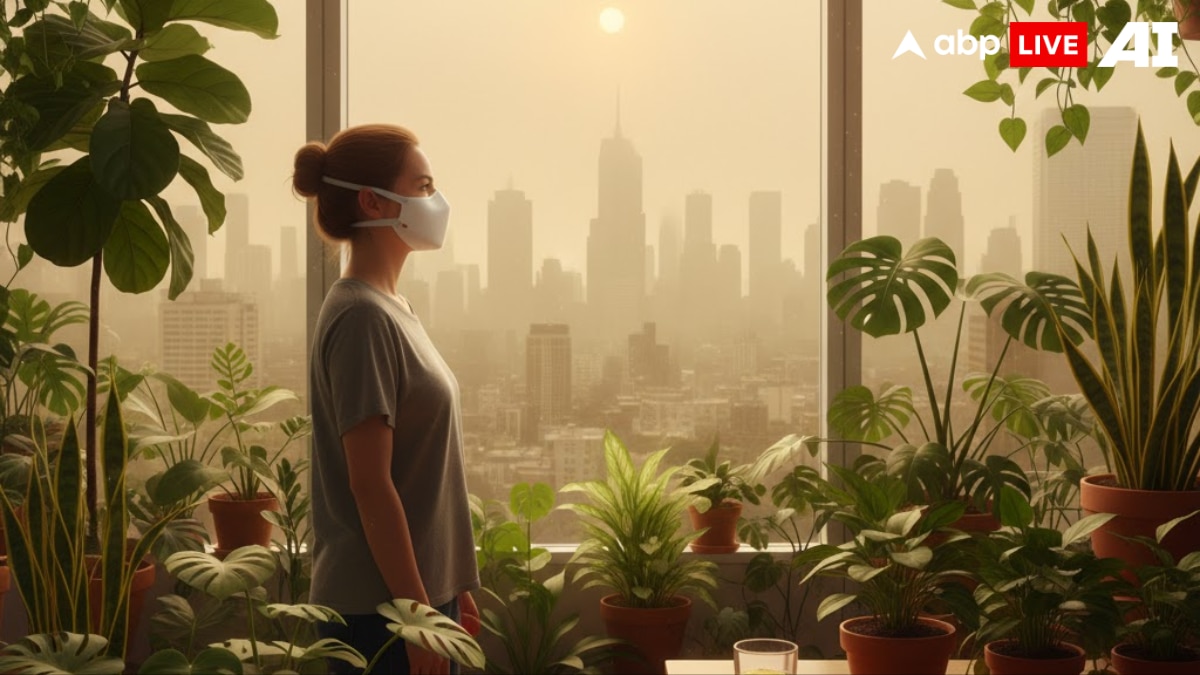
Smog and air pollution have become a major concern in urban areas. It has affected millions of people's health every year. Exposure to polluted air can trigger respiratory problems, weaken immunity, and even impact long-term wellness. While avoiding outdoor exposure completely isn’t always possible, adopting smart health habits can significantly reduce the risks associated with smog. Have a look at these eight essential tips that will help you stay healthy, energetic, and resilient even when air quality is at its worst. ALSO READ: As Delhi Wakes Up To 'Hazardous' Air, Here's How To Survive Post-Diwali Smog 1. Wear A High-Quality Mask Outdoors (Image Source: ABPLIVE AI) During smog-heavy days, a simple cloth mask is not enough to filter out fine particulate matter. Invest in a N95 or N99 mask. It can drastically reduce the amount of harmful particles entering your respiratory system. Wearing a mask not only protects your lungs from irritation but also prevents long-term health risks like asthma or bronchitis. Make sure the mask fits snugly around your nose and mouth, and replace it regularly to maintain effectiveness. Consistent mask use during high smog periods is one of the simplest yet most impactful ways to safeguard your health. 2. Keep Indoor Air Clean (Image Source: ABPLIVE AI) Your home should serve as a safe haven during smog days. Air purifiers with HEPA filters can remove fine dust particles and pollutants from indoor air, improving overall air quality significantly. Apart from this, indoor plants like snake plant, aloe vera, and spider plant help in naturally purifying the air and add a refreshing touch to your home environment. For those living in highly polluted cities, layering multiple measures, like air purifiers, indoor plants, and clean ventilation, creates a healthier environment. 3. Boost Immunity With Nutritious Foods (Image Source: ABPLIVE AI) A strong immune system is your body’s natural defense against pollution-related illnesses. Consuming antioxidant-rich foods like berries, citrus fruits, and green leafy vegetables helps fight oxidative stress caused by pollutants. Foods rich in vitamin C, vitamin E, and omega-3 fatty acids strengthen lung function and reduce inflammation. Turmeric, ginger, and garlic have natural anti-inflammatory and detoxifying properties, which are especially beneficial during smog-heavy seasons. Focus on a diet that enhances immunity and detoxifies. It will help you mitigate the harmful effects of air pollution while maintaining overall wellness. 4. Limit Outdoor Activity During Peak Smog Hours (Image Source: ABPLIVE AI) Air pollution fluctuates throughout the day, often peaking during early morning and late evening hours due to traffic and industrial emissions. Planning outdoor activities during periods of lower pollution reduces exposure. If outdoor exercise is necessary, consider indoor workouts or gyms with good air filtration systems. Children, elderly individuals, and people with respiratory conditions should strictly avoid peak smog hours. By minimising exposure during high-pollution times, you can protect your lungs and reduce stress on your respiratory system while still maintaining physical activity. 5. Stay Hydrated To Flush Out Toxins (Image Source: ABPLIVE AI) Pollutants in smog can enter the bloodstream and respiratory system, making hydration essential. Drinking plenty of water, herbal teas, and soups helps flush out toxins while keeping mucous membranes moist. Moist mucous membranes in the nose and throat trap dust particles and reduce irritation. Warm fluids can also soothe inflammation caused by air pollution. Including hydrating foods like cucumbers, watermelon, and citrus fruits adds to your body’s detoxification process. Staying hydrated is a simple yet powerful way to minimise smog’s adverse effects while supporting your immune system. 6. Practice Breathing Exercises (Image Source: ABPLIVE AI) Controlled breathing techniques improve lung capacity and efficiency, helping combat the effects of polluted air. Pranayama, deep diaphragmatic breathing, and alternate nostril breathing can strengthen respiratory muscles and improve oxygen flow. Such breathing exercises also reduce stress, which can worsen respiratory irritation. Even a short daily practice of 15–20 minutes can make a significant difference, especially when outdoor air quality is poor. Integrating these practices into your routine helps your body build resilience against smog-induced health issues. 7. Maintain Personal Hygiene (Image Source: ABPLIVE AI) Pollutants from smog can settle on skin, hair, and clothing, leading to irritation and potential infections. Showering regularly, washing hands, and changing clothes after returning from outdoors prevents the accumulation of harmful particles. Using gentle cleansers to remove fine dust and pollutants protects sensitive skin. Cleaning exposed surfaces like mobile phones and eyewear also prevents indirect exposure. Practicing personal hygiene is a crucial yet often overlooked step to reduce the health risks associated with smog. 8. Monitor Air Quality And Take Precautions (Image Source: ABPLIVE AI) Staying informed about air quality is essential for making safe daily choices. When AQI levels are high, consider wearing masks, staying indoors, and using air purifiers. Awareness allows you to plan travel, outdoor work, and exercise around safer conditions. For families, it also helps protect vulnerable members like children, elderly, and those with respiratory conditions.

Mysterious cosmic object discovered in young star system could rewrite planet formation rules

Astronomers have discovered a mysterious object, Companion Candidate 1 (CC1), in the WISPIT 2 system. This intriguing find, detected by the Very Large Telescope, could be a dense dust clump or a low-mass star shrouded in dust. Its presence challenges current understanding of how planetary systems form and evolve, potentially offering crucial insights into transitional disks around young stars.

Man Crashes Car Into White House Security Gate; Arrested

A man was apprehended late Tuesday night after crashing his car into a security barrier just outside the White House. The incident unfolded at 10:37 p.m. when the driver struck the security gate at one of the White House entrances. Secret Service officers from the uniformed division were quick to respond and arrested the individual on the spot, Associated Press reported. Following the crash, investigators conducted a thorough search of the vehicle and declared it safe, finding no threats or hazardous materials. At this stage, officials have not disclosed any further details about the driver’s identity or the potential motive behind this breach. While the incident briefly disrupted security protocols around the White House, there was no lockdown of the premises. Roads near the area were temporarily closed as authorities managed the situation to ensure safety, AP reported. An investigation is currently underway, and more information is expected to be released as authorities continue to probe the circumstances surrounding the crash and the driver’s intentions.

“Take vacations before October 29!”: Harvard astrophysicist warns as 3I/ATLAS sparks debate over possible artificial origin

A Harvard scientist urges vacations before October 29. He believes NASA may hide data on interstellar object 3I/ATLAS. This object is large, fast, and emits unusual chemicals. Its behavior challenges science. Some think it might be artificial. NASA states it poses no threat and will pass safely. The scientific community is divided on its origin.

Govardhan Puja 2025: Auspicious Timings And Key Guidelines To Celebrate This Festival

After Diwali, the festival of Govardhan Puja is celebrated with devotion and joy. On this day, devotees create symbolic representations of Govardhan Hill and Lord Krishna using cow dung in their homes, courtyards, or open spaces, and offer prayers. This year, Govardhan Puja will be observed on Wednesday, 22 October 2025. The auspicious time for performing the puja is from 6:26 AM to 8:42 AM, giving devotees 1 hour and 16 minutes to conduct the rituals properly. Observing certain customs during the puja is considered highly auspicious. ALSO READ: Happy Govardhan Puja 2025: Share These Heartfelt Messages And Wishes With Your Family And Friends Key Guidelines For Govardhan Puja Celebrate Together:Govardhan Puja is more auspicious when performed in the company of family and friends rather than alone. However, participants are advised not to wear black clothing during the rituals. Parikrama (Circumambulation):Performing the parikrama of Govardhan Hill is an important part of the puja. Devotees should walk barefoot during the circumambulation and not leave it halfway, as completing the parikrama is considered highly beneficial. Respect For Cow:On Govardhan Puja, it is essential not to disturb or harm cows. Caring for and serving cows on this day is regarded as a virtuous act, and neglecting them may displease Lord Krishna. Dietary Restrictions:Devotees should avoid tamasic and non-vegetarian food during the festival. Consumption of intoxicants such as alcohol and cigarettes is strictly prohibited, ensuring the day is observed in a pure and sacred manner. Observing these rituals with devotion and following the traditional guidelines is believed to bring peace, prosperity, and divine blessings from Lord Krishna. [Dislaimer: The content of this article is based solely on beliefs and should be taken as general guidance. Individual experiences may vary. ABPLive.com does not assert the accuracy or validity of any claims or information presented. It is strongly recommended to consult a qualified expert before considering or implementing any information or belief discussed herein.]

'Want to be nice to China': Trump said amid 155% glooming tariffs; blames previous US presidents for 'rough' ties

President Trump expressed a desire for amicable relations with China but criticized the nation's past trade practices, attributing them to a lack of business acumen in previous US leadership. He highlighted significant tariff revenues, suggesting potential distributions to citizens. Trump also indicated India has reduced Russian oil purchases, aligning with his desire for peace in Ukraine. A potential trade deal with China is anticipated at the upcoming APEC summit.

Russia-Ukraine war: Did Donald Trump pressure Zelenskyy to give up eastern Donbas in 'tense' meeting? It was Putin's key demands

A senior Ukrainian official revealed that President Trump urged President Zelenskyy to cede the Donbas region to Russia for peace during a tense meeting. Trump reportedly echoed Putin's talking points, warning Zelenskyy of annihilation if a deal wasn't struck. Zelenskyy left the White House without securing commitments, facing pressure for territorial concessions.

Patanjali Claims Breakthrough In Cancer Recovery Through Yoga & Ayurveda

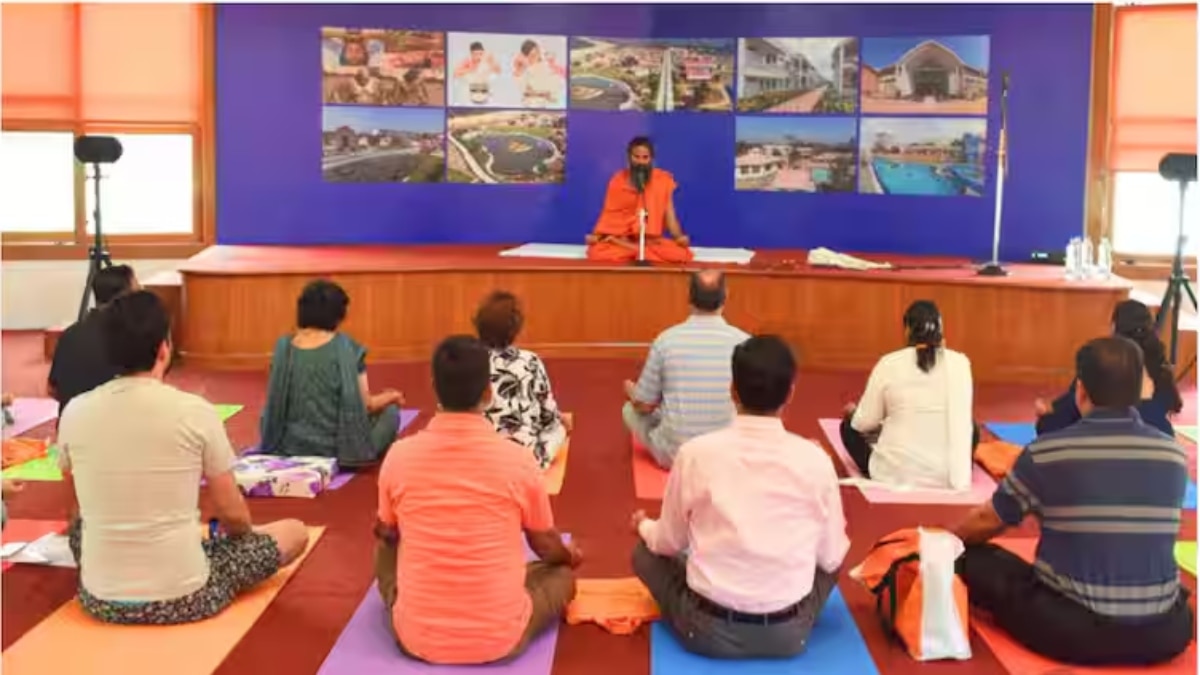
Patanjali has claimed that its wellness centres have shown encouraging results in treating severe and chronic illnesses such as cancer through yoga, pranayama, and Ayurveda. Several cases have reportedly emerged where patients claim to have become cancer-free after undergoing treatment. At Patanjali Wellness Centre (Yoggram and Niramayam) in Haridwar, Uttarakhand, new stories of hope and faith have surfaced regarding the treatment of chronic diseases — particularly among those battling cancer. According to Patanjali, many cancer patients have experienced complete or partial recovery through yoga, pranayama, and Ayurvedic therapy. Patanjali stated, “Several cancer patients came to Patanjali Wellness and found confidence in our integrated treatment system. One such case is of Shikha Bhunia’s mother (57 years old, Howrah), who was diagnosed with cancer in 2022. After seven days of treatment at Patanjali and following the prescribed regimen for a year, her CT scan report in March 2023 showed she was ‘cancer-free.’”The organisation further said, “Similarly, Ajay Rajendra Bandal (28 years old) from Pune was suffering from a growing cancer in his head. After receiving therapy and Ayurvedic medication, he reported relief and said he felt much better than before.” What Does Patanjali Claim? Patanjali stated, “The experiences of cancer patients show how effective our treatment system is. For instance, 41-year-old Gauran Singh from Bengaluru, who had blood cancer and had undergone two blood transplants, reported relief from pain and reduced weakness after just seven days of treatment. Similarly, Vijay Kumar Singh (62 years old) from Chhapra, Bihar, said that within six days of treatment, his TLC, platelet, and haemoglobin levels improved.” Success Across Different Types of Cancer Patanjali claimed several successful cases in different states: Maharashtra: Dnyaneshwar Vitthalrao Patil (50 years old) from Osmanabad came for liver cirrhosis treatment and reported that after following the prescribed Ayurvedic medicines and pranayama routine, his viral load is now “completely normal.” Rajasthan: Ved Prakash (74 years old) from Bharatpur, diagnosed with kidney cancer and 80% kidney damage, chose Patanjali treatment over hospitalisation. He reportedly showed daily improvement and is now “completely healthy.” Delhi: Babita Sachdeva (52 years old), who had thyroid cancer surgery, said that her condition continued to worsen post-operation. However, after consistent pranayama practice at Yoggram, she is now “fully recovered.” West Bengal: Anita Kumari (33 years old) from Howrah, diagnosed with cancer and advised surgery by doctors at a major hospital in Varanasi, said that after 15 days of treatment at Patanjali, her condition improved, and by her third visit, her disease had become “completely normal.”

//