Language Settings
Select Website Language
newshunt
newshunt

Filters

Channels
Topics
Other Filters

Happy Chhath Puja 2025: Share These Heartfelt Wishes And Messages With Your Family And Friends

The sacred festival of Chhath Puja 2025 is set to begin from October 25 to October 28, celebrated with immense devotion across Bihar, Jharkhand, eastern Uttar Pradesh, and several parts of India. Dedicated to Lord Surya (the Sun God) and Chhathi Maiya, this four-day festival symbolizes purity, faith, and gratitude towards nature. Devotees observe rigorous fasting, take holy dips in rivers, and offer arghya to the rising and setting sun, praying for good health, prosperity, and happiness. As families gather near riverbanks and ghats, the air fills with devotion, folk songs, and the glow of thousands of diyas. To celebrate the spirit of this divine occasion, here are some heartfelt Chhath Puja 2025 messages and wishes you can share with your loved ones. ALSO READ: Chhath Puja 2025: Check Out The Puja Samagri List, Ritual Preparations And More Heartfelt Messages For Chhath Puja 2025 May the divine light of the Sun God fill your life with peace, prosperity, and happiness. Happy Chhath Puja 2025! As you offer arghya to the setting and rising sun, may your life be filled with endless success and positivity. Chhath Puja reminds us of purity, devotion, and gratitude. Wishing you and your family a blessed and prosperous festival. May Lord Surya bless your home with warmth, energy, and strength. Wishing you a joyous Chhath Puja! Let’s celebrate this Chhath Puja by thanking nature and the divine for the gift of life and energy. May this Chhath Puja bring along good fortune, harmony, and endless happiness in your life. On this auspicious day, may Chhathi Maiya bless you with health, wealth, and serenity. The rising sun brings hope, and the setting sun reminds us to be grateful. Have a divine and meaningful Chhath Puja. May your devotion and prayers this Chhath Puja be rewarded with success and fulfillment. As the rays of the Sun God shine upon you, may they bring peace, prosperity, and positivity into your life Chhath Puja Wishes To Share Wishing you and your loved ones a divine Chhath Puja! May your days be filled with sunlight and your life with happiness. Happy Chhath Puja 2025! May the holy rays of the sun bless you with good health, success, and everlasting joy. On this Chhath Puja, may the Sun God shower his blessings on you and your family with happiness and prosperity. Warm wishes on Chhath Puja! May faith and devotion lead you to the path of peace and progress. May the light of the sun guide your way and bring positivity to every corner of your life. Happy Chhath Puja! Let’s celebrate the spirit of Chhath Puja by spreading love, harmony, and devotion around us. May Chhathi Maiya bless you abundantly, fulfilling all your hopes and dreams. Happy Chhath Puja! Wishing you a festival full of faith and purity. May the divine power of the Sun God uplift your soul and spirit. Happy Chhath Puja! May your heart be as bright as the morning sun and your life as peaceful as the setting rays. On this auspicious Chhath Puja, may you find strength in prayers, hope in light, and joy in every sunrise.

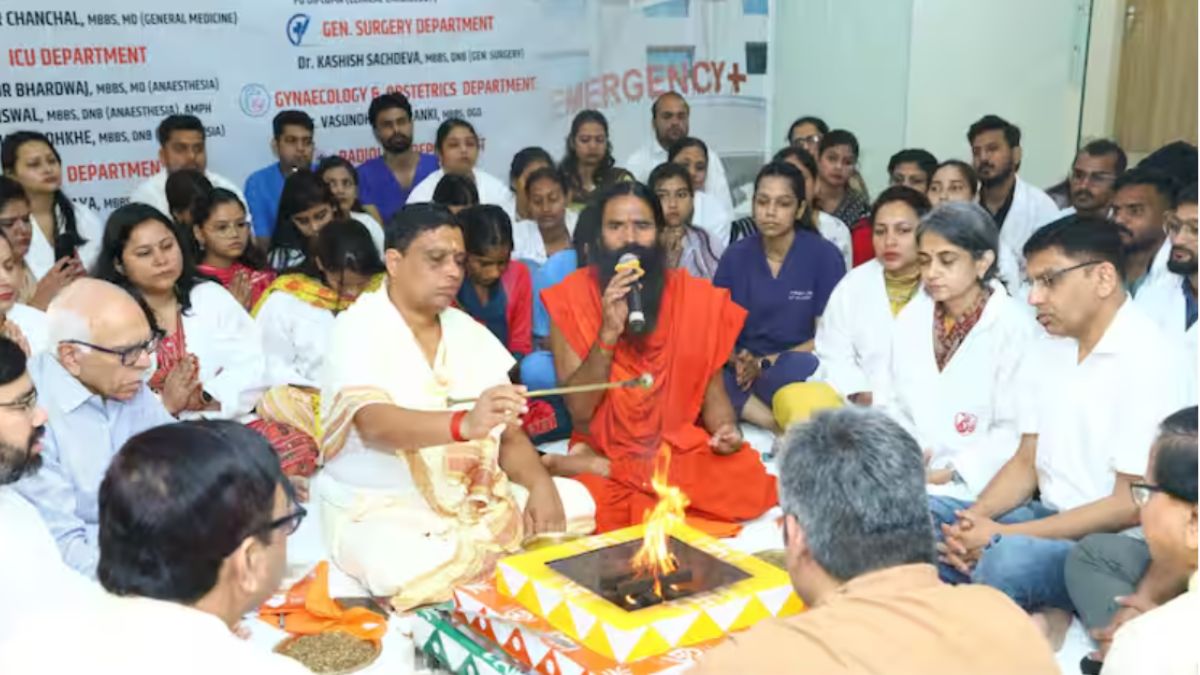
Emergency & Critical Care Hospital Launched In Haridwar; Ramdev Says It’s A ‘Mission Of Service, Not Business’

An Emergency and Critical Care Hospital has been launched at Patanjali Yogpeeth, where modern medicine will be integrated with Ayurveda and yoga. Swami Ramdev described it as a new chapter in medical science. The Patanjali Emergency and Critical Care Hospital was inaugurated with rituals including yajna, agnihotra, and chanting of Vedic mantras. On the occasion, Swami Ramdev said, “Today marks the beginning of a new chapter in the rituals of medical science. This initiative by Patanjali is a democratic healthcare system that ensures justice for patients.” He announced that while the hospital in Haridwar is only the beginning, a much larger version — bigger than AIIMS, Apollo, or Medanta — would soon be established in Delhi-NCR. “The special feature of this facility is that it will not be a corporate hospital, but a cooperative one — not for business, but for service to patients. Our aim is to provide healing through an integrated medicine system,” he added. Swami Ramdev further said, “At Patanjali, we have long believed that where it is absolutely necessary, modern medical science should be adopted. This will present a new perspective to the world — we will use this discipline only in emergencies. We have a confluence of three dedicated medical streams: Ayurvedic physicians proficient in traditional knowledge, doctors skilled in modern medical science, and practitioners of naturopathy. Along with this, advanced diagnostic equipment and paramedical staff will be available for support.” Facilities Offered Swami Ramdev said, “Except for cancer surgeries, all other surgeries will be available here. We also plan to make cancer surgery accessible in the future. The hospital will provide complex procedures for the brain, heart, and spine. Patients will also have access to MRI, CT scan, X-ray, ultrasound, and pathological tests.” He added, “We have followed the top global healthcare parameters. Hundreds of surgeries and critical care procedures will be performed here daily. At Patanjali, surgeries will be conducted only when absolutely necessary, saving patients from the heavy costs of arbitrary hospital packages.” ‘Healing Patients Is Our Only Target’: Acharya Balkrishna Acharya Balkrishna said, “Only 20% of treatment requires modern medical science. If we integrate the remaining 80% of traditional medicine, we can successfully reorganise the global healthcare system within four to five years. For critical care, we must accept modern medical science, while for diseases considered incurable, we must embrace yoga and Ayurveda as solutions. “The Charaka and Sushruta Samhitas state that a physician’s pledge is not to any particular system of medicine, but to the healing of the patient. Today, medical knowledge is divided among different paths, but the goal was never division — it was recovery. The true purpose of a physician was not to seek power or heaven, but the ability to ease the suffering and pain of the sick. How many doctors today still embody that spirit is a question worth pondering,” he remarked. Acharya Balkrishna added, “In large hospitals, doctors are given targets. Here, we told our doctors from day one — you have no targets except one: to heal patients. Our mission is to make this project an ideal model of service and establish an example of integrated medical systems across the world. There are many challenges, but we must overcome them.” He further said, “Some people ask why Patanjali is taking up this initiative. It is because, along with the hospital, we have a world-class research centre. We have established yoga and Ayurveda as evidence-based medicine. We have extensive clinical data, evidence, biosafety level-2 certification, and facilities for in vivo animal testing and in vitro laboratory research. Patanjali is also conducting research in nuclear medicine and personalised medicine — capabilities unmatched by any other hospital. Our long-cherished dream is becoming a reality. In the coming days, Swami Ramdev and Patanjali will symbolise the integrated medicine system.”

Gold Price Today In Kolkata: Gold Recovers Marginally After Sharp Drop

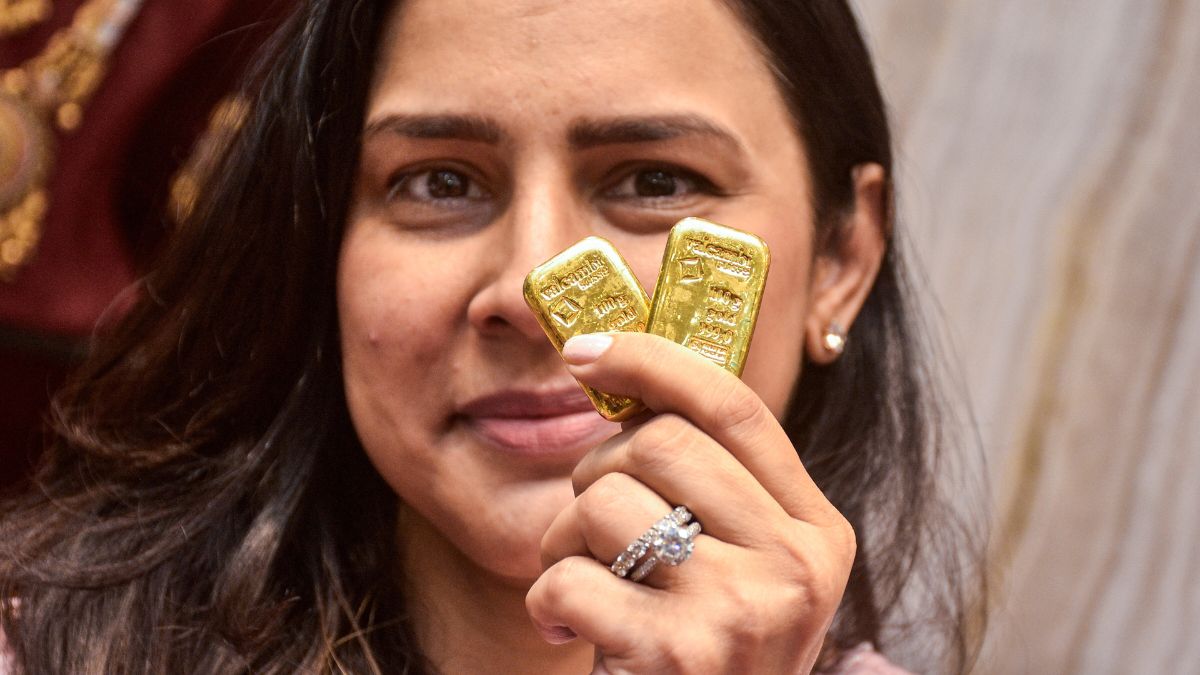
Gold prices in Kolkata inched higher on Friday, offering investors a modest reprieve after a spell of weakness that had weighed on the market. The city’s 24-karat gold was quoted at Rs 12,546 per gram, while 22-karat gold fetched Rs 11,505 per gram. The marginal recovery echoed broader national and international influences that briefly softened selling pressure earlier in the week. Why imports and taxes matter for Kolkata buyers Kolkata, like other Indian markets, relies heavily on imports to meet its gold requirements, the country remains the second-largest consumer globally after China. Recycled metal makes up only a limited share of supply, meaning domestic prices remain closely tied to global spot rates and the rupee-dollar exchange rate. Any depreciation in the rupee therefore raises the landed cost of gold for retailers in West Bengal, contributing to price increases at retail counters. On top of the global spot price, Kolkata consumers face local premiums created by import duties, Goods and Services Tax (GST) and state charges. These levies widen the gap between international benchmarks and the prices that Kolkata buyers ultimately pay for bullion and jewellery, making local market movements particularly sensitive to policy and currency shifts. International drivers and local market response Globally, gold’s small bounce on Friday was shaped by falling bond yields, expectations of potential central bank rate adjustments and a marginally softer US dollar. Lower interest rates reduce the opportunity cost of holding gold, while a weaker dollar often spurs fresh buying interest among international investors. These conditions supported a limited rebound in Kolkata markets after days of downward pressure. Jewellers in the city reported steady seasonal demand for jewellery purchases, which cushioned the market somewhat despite speculative selling from traders. Analysts said that while short-term volatility remains possible, physical demand from households for weddings and festivals tends to stabilise prices locally, even as investment flows through ETFs and sovereign bonds react to global cues. Kolkata’s slight recovery also reflected the technical buying that often occurs when prices dip to levels seen as attractive by traditional buyers. Such buyers in eastern India frequently view gold as a long-term store of value and tend to increase purchases on weakness, a factor that can arrest sharp declines. Comparing Kolkata with other metros Across other major Indian centres, Chennai’s 24-karat rate stood at Rs 12,589 per gram, while Delhi and Mumbai hovered around Rs 12,546 for the same purity. Lucknow recorded a marginally higher 24-karat rate at Rs 12,561. These differences in city-level pricing are driven largely by local premiums and differing demand-supply conditions. For Kolkata buyers, the outlook depends on a mix of global monetary policy moves, the trajectory of the rupee-dollar rate and domestic consumption patterns. While short-term gyrations are likely, gold’s long-established role as a hedge against inflation and currency risk means it remains integral to household portfolios in the city. Despite the recent volatility, the slight recovery on Friday suggests that demand resilience and supportive global cues could sustain interest in the yellow metal in the near term. Jewellery buyers and investors are therefore advised to monitor both international developments and local premiums before making fresh purchases.

Gold Price In Lucknow Jumps, Check Gold Rates Across Major Markets

Gold prices in Lucknow posted a modest uptick on Friday, extending a partial recovery that followed a week of choppy trading. The 24-karat variant was quoted at Rs 12,561 per gram, while 22-karat gold traded at Rs 11,515 per gram. The move higher came as investors absorbed a mix of global cues—softer bond yields, a marginally weaker US dollar and renewed safe-haven demand—after several sessions of selling pressure. India remains the world’s second-largest consumer of gold after China, and Lucknow’s market is no exception to the countrywide pattern of import dependence. Recycled gold contributes only a small portion of total supply, which leaves domestic rates vulnerable to international price swings and currency volatility. Since gold is traded globally in US dollars, any depreciation of the rupee makes imports costlier and tends to push local prices upwards for buyers in Uttar Pradesh and elsewhere. Local premiums in Lucknow also reflect import duties, Goods and Services Tax (GST) and state-level levies that inflate the retail price of both bullion and jewellery relative to international benchmarks. These additional charges mean that even modest movements in the global spot price or the rupee-dollar exchange rate can produce noticeable changes in what consumers pay at the counter. Global cues, investor behaviour and near-term outlook On the international front, gold’s recent bounce has been influenced by a combination of factors: moves in government bond yields, speculation about central bank policy paths, and intermittent risk-off sentiment among investors. Lower yields tend to lower the opportunity cost of holding non-yielding assets such as gold, while a softer dollar makes the metal more attractive to overseas buyers. These dynamics, together with concerns about slower global growth and geopolitical tensions, underpinned Friday’s relief rally. Local traders in Lucknow noted that jewellery demand remains steady for the season, which provides a baseline of consumption even as investors and traders reposition their portfolios. Analysts said Friday’s small recovery suggested better buying interest from both retail and smaller institutional buyers who view occasional dips as an opportunity to add allocations to physical gold. Market participants are also keeping an eye on macroeconomic indicators and central bank commentary for further direction. Elevated inflation expectations, any sign of looser monetary policy overseas, and continued geopolitical uncertainty would be supportive of higher gold prices in the medium term. Conversely, a sustained strengthening of the US dollar or a sharp rise in global bond yields could weigh on bullion. Gold Rates Across India Today In comparison with other metros, Lucknow’s rates are slightly higher than several southern and western cities; for instance, Chennai quotes 24-karat gold at Rs 12,589 per gram, while Delhi and Mumbai trade near Rs 12,546 per gram for the same purity. Kolkata recorded 24-karat at Rs 12,546 per gram and 22-karat at Rs 11,505. These regional variances reflect differing local premiums and transactional demand. For consumers in Lucknow considering physical purchases, jewellers typically advise checking local premiums and confirming weight and hallmarking details. For investors seeking exposure via sovereign gold bonds or ETFs, tracking the international spot price and the rupee-dollar rate remains essential. Despite the near-term volatility, gold continues to serve as a preferred hedge in Lucknow for those seeking long-term wealth preservation and protection against currency weakness and inflation. The tiny recovery on Friday signals that investor appetite has not entirely faded and that the metal could attract renewed interest if global macro conditions remain supportive.

Glow From Within: Ayurvedic Herbs To Keep You Glowing All Through The Festive Season

(By Dr. Bhavana Gaitonde) The festive season is a time of joy, gatherings, indulgence, and often, a little extra stress on your skin, digestion and internal balance. While everything around us sparkles with lights, colors and smiles, we shouldn't forget about our inner system, which needs support to keep us glowing from within. And that's where the tried-and-true Ayurvedic herbs come into play. By using the right herbs, you may stay radiant, harmonious, and bright during the celebrations. Here are five powerhouse herbs that you can lean on this festive season: ALSO READ: Protecting Newborns: Why Every Child Must Receive The Polio Vaccine On Time Haridra (Turmeric): Often called the “Golden Herb,” Haridra is known for its antioxidant and anti-inflammatory properties. It helps reduce inflammation, fights oxidative stress, aids digestion, and promotes clear, healthy skin. A warm cup of Turmeric milk or including Turmeric in your everyday meals can help maintain your skin’s natural glow. Neem: Neem is a well-known antiseptic and detoxifier in Ayurveda, which helps neutralize free radicals and kills harmful microbes and supports healthy, balanced skin. The skin's barrier becomes weak with the indulgence of festive foods and exposure to pollution. Neem acts as a natural ally to keep inflammation and oxidative stress in check while also supporting immune health. Manjistha: Manjistha is known as a natural blood purifier in Ayurveda. It promotes clear skin, even pigmentation, and helps eliminate toxins from the body. Ensuring the regular use of Manjistha can help sustain that inner glow that can manifest on the skin. Guduchi (Giloy): Guduchi is an adaptogen, which means it helps the body adjust to stress and changing circumstances. During the festive season, our routines are frequently disturbed, which can impact the body's overall well-being. Guduchi being an immunomodulator promotes immunity and supports optimal metabolic function and overall health. It is a powerful herb for maintaining consistent energy levels and boosting inner resilience. Amla (Indian Gooseberry): Amla nourishes the skin and hair and is high in antioxidants and Vitamin C. It helps prevent damage from free radicals, improves digestion, and helps boost collagen, aiding skin rejuvenation. Whether consumed fresh, as juice, or in powdered form, Amla is a holistic choice for lasting radiance. Dr. Bhavana Gaitonde is an Ayurveda Expert - R&D Center, Himalaya Wellness Company [Disclaimer: The information provided in the article is shared by experts, is intended for general informational purposes only. It is not a substitute for professional medical advice, diagnosis, or treatment. Always seek the advice of your physician or other qualified healthcare provider with any questions you may have regarding a medical condition.]

Post-Festive Detox: 6 Gentle Ways To Beat Bloating And Sugar Cravings After Diwali

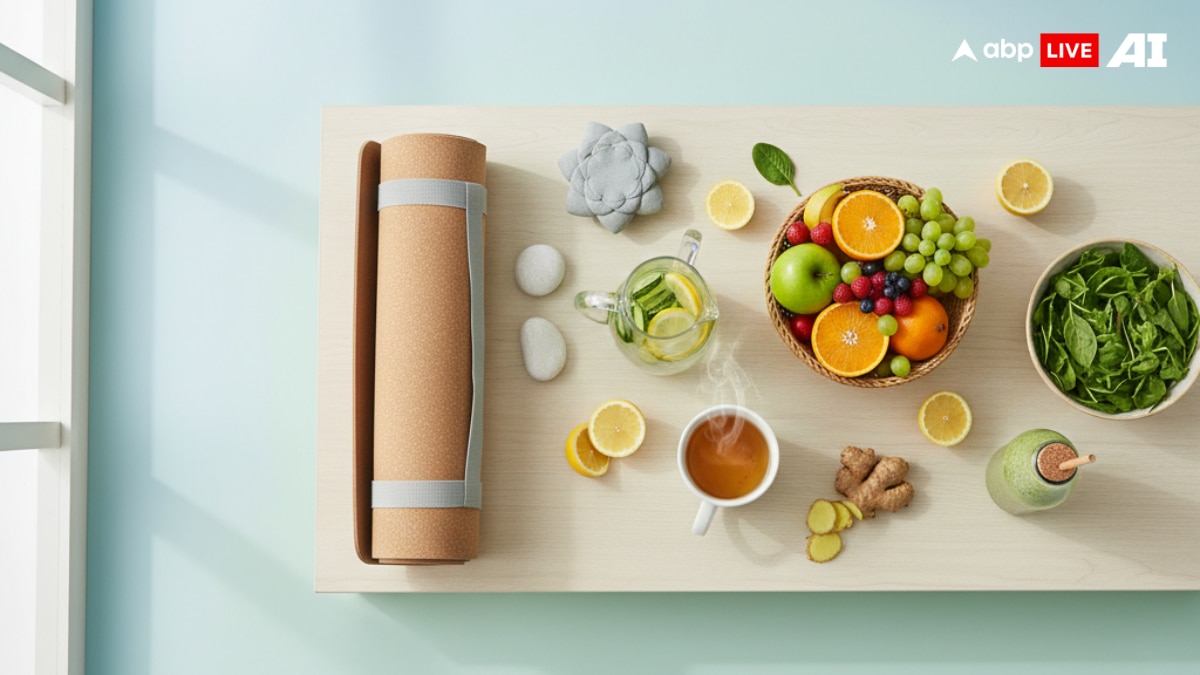
(By Khyati Rupani) With lights, laughter, and endless plates of sweets, Diwali truly brings joy to every home. From those irresistible mithais and namkeens to family dinners that end with ‘just one more bite,” every moment feels special.  But let’s be honest, it also brings that familiar post-festive heaviness, bloating, low energy, sweet cravings, and that "I need to clean up my system" feeling.The great news is, you don’t need to go on extreme diets or live on juices to feel better. Your body already knows how to cleanse itself; it only needs gentle support with nourishing food, rest, and fluids.  Here are some gentle ways to beat post-festive diseases: ALSO READ: Post-Diwali Health Tips: 8 Essential Tips To Prevent Air Pollution-Related Diseases Start Your Day Light And Hydrated The first thing your body craves after days of sugar and rich foods is water. Begin your morning with black coffee, green tea, or plain warm water with lemon; this gently stimulates digestion and wakes up your system. Avoid milk and sugar at this stage; the goal is to give your digestive tract a calm start after days of heavy meals. Eat Light, Not Less After days of heavy festive meals, your body needs a break. Keep meals light, hydrating, and easy to digest. Start your day with water-rich fruits like watermelon or muskmelon and a cup of green tea with lime to restore electrolytes and reduce bloating. Mid-morning, have a cucumber or guava for fiber and gentle detox support. For lunch, choose a bowl of vegetable soup with mixed fruits like banana or papaya. It keeps energy steady while aiding digestion. In the evening, sip green tea with lime and a small portion of melon to control cravings and rehydrate. Keep dinner early and light: soup with boiled moong or sprouts and cucumber seasoned with lemon and pepper. End your day with warm water and lemon juice to support digestion and wake up feeling light and refreshed. Support Your Liver & Gut Your liver and gut have worked overtime through the festivities; give them a little care. Add ingredients like fenugreek, coriander seeds, and aloe vera, all known to soothe the digestive tract and support detoxification. Include curd or buttermilk for probiotics, and avoid reheated or oily leftovers for a few days. Cut the Sugar Cycle After days of mithai and dessert, it’s natural to crave more sugar.  Include small portions of natural sweeteners like dates or figs, and combine them with fiber or protein to avoid spikes. Cinnamon and triphala can help reduce those cravings naturally while keeping your metabolism steady. Move Gently And Reset Well After days of celebration, your body needs movement. Skip the intense workout and focus on light activity, a good stretch, or a 20-minute walk. It helps activate digestion, improves blood flow, and releases the post-festive sluggishness. Also aim for 7-8 hours of quality rest to restore energy, balance hormones, and support recovery. Avoid Common Detox Mistakes A quick reminder: detoxing isn’t about deprivation. Be mindful of these common mistakes that often do more harm than good: Skipping meals out of guilt: this slows your metabolism and increases cravings. Living only on juices or soups, your body still needs fiber and protein for recovery. Overdoing caffeine or herbal teas: they can dehydrate you instead of cleansing. Expecting overnight results: real balance takes time and consistency. Your body doesn’t respond to extremes; it responds to steady care and gentle balance. Khyati Rupani is the Founder & Chief Nutritionist at Balance Nutrition  [Disclaimer: The information provided in the article is shared by experts and is intended for general informational purposes only. It is not a substitute for professional medical advice, diagnosis, or treatment. Always seek the advice of your physician or other qualified healthcare provider with any questions you may have regarding a medical condition.]

I Didn’t Know Who I Was Outside Work: Woman Quits JPMorgan After 14 Years Due To Burnout

Wilma Ramony de Souza’s journey through the high-octane world of global banking is a story of ambition, resilience, and self-discovery.  After 14 years climbing the ranks at JPMorgan, from a young analyst in São Paulo to vice president in New York, she chose to step away, citing burnout, depression, and a loss of personal identity. Early Career: Breaking into a Male-Dominated World Wilma began her career at JPMorgan at 24, bringing four years of experience from the Brazilian Financial and Capital Markets Association. Despite being young, blonde, and just under 5’2”, she quickly proved her capabilities. “Some of the guys on the trading desk questioned why I was excelling,” she recalled to Business Insider. Her mentor, a bold, Spanish-accented woman, played a pivotal role in shaping her career. “People called us the cowgirls: two foreigners in an American bank, trying to build a business in the male-dominated Latin American market,” Wilma said. Their fearless approach helped them carve out a reputation for excellence in a challenging environment. The Price of Success: Travel, Pressure, and Personal Sacrifice The high rewards came with high costs. Wilma worked long hours, often travelling internationally, leaving little room for personal life. “My six-year relationship ended because I rarely saw my boyfriend; I missed birthdays and Mother’s Day,” she admitted. Though the pay was lucrative, it could not compensate for lost time and personal burnout. “I’d spend money at the spa trying to relax, or on acupuncture to compensate,” Wilma said. The constant cycle of pressure and achievement left her physically and emotionally drained, despite outward success. From New York to London: When Burnout Hit Hard The pursuit of excellence became addictive. “The accomplishments were like a drug: the more I conquered, the more I wanted,” Wilma reflected. Her move to New York in 2019 marked another milestone, followed by relocation to Miami during the pandemic and then to London in 2023. It was in London that the stress manifested physically. “I had a mild panic attack in the office in December 2022 while managing a major deal,” she recounted. A year of therapy followed, during which she grappled with her identity beyond her role at JPMorgan. Rediscovering Herself Beyond Banking “I was so used to introducing myself as, ‘Wilma, who works at JPMorgan.’ I didn’t know who Wilma was otherwise,” she said. Stepping away allowed her to redefine success on her own terms. Today, she is based in Miami and serves as CEO of a consulting firm for founders and small businesses. Despite the challenges, Wilma cherishes her banking years. “I wouldn’t change a single thing about my 14 years at the bank. It taught me what it means to challenge myself every day and, in the end, be excellent,” she said. Her story is a powerful reminder of the human cost of high-pressure careers and the importance of balancing ambition with well-being. 

Step Inside the All-New Hyundai Venue: Bigger Cabin, Smart Tech, And Mini Creta Look

The all new Hyundai Venue has been unveiled and it is the new generation of the popular sub compact SUV. The current Venue has been a big seller while the new one gains a new look and more importantly feature packed interiors. The all new Venue gets quad LED lamps at the front and has a mini Creta look which brings in a family resemblance. The new Venue is wider by 48mm and 30mm wider. There are new 16inch alloys too and the design has a sharper look with looking much bigger than before. Inside there is a bigger change with an all new cabin which looks much more premium than before. There are dual tone 12.3 inch displays and a bigger digital instrument cluster too along with an H pattern dashboard design. There is an all new steering wheel design and a new centre console too. Also new is a D cut steering wheel and Dual tone interior (dark navy & dove grey) plus Hyundai calls it a 'coffee-table centre console' with ambient lighting (Moon White. Rear seat passengers get a two step recline, sunshades and more. The additional 20mm more legroom is also crucial which addresses the shortcoming of the previous Venue. Expect more features too including Adas, 360 degree camera and more.  The Venue will continue with Kappa 1.2 l MPi petrol, Kappa 1.0 l Turbo GDi petrol and U2 1.5 l CRDi Diesel with manual and automatic options. Colours include six monotone and two dual tone. Hyundai has also changed the variant nomenclature with HX nomenclature. To be launched in a few days time, the new Venue looks bigger and has more tech to take on rivals while gaining more space plus road presence. Customers can get their hands on the Hyundai VENUE with an initial booking amount of INR 25,000 at any Hyundai dealership across India.

Elon Musk’s Starlink makes a bold move in India: Nine satellite gateways to boost India’s internet amid strict security rules

Elon Musk's Starlink is set to expand in India. Nine gateway earth stations will be established in major cities. This infrastructure will enable high-speed satellite internet services. The launch is planned for late 2025 or early 2026. Strict national security rules will be followed. Starlink aims to serve millions of users across the country.

Tata Sierra Petrol To Start At Rs 11 Lakh?

Tata Motors is preparing to launch the much-anticipated Sierra in November, positioning it between the Curvv and the Harrier in its SUV line-up. The starting price is expected to be around Rs 11 lakh, reflecting its slot in the compact SUV segment. Measuring roughly 4.3 metres in length, the Sierra will take on popular rivals such as the Hyundai Creta, which also starts below Rs 11 lakh and sits within the same price range. Engine Options And Expected Pricing The Sierra will likely debut with a naturally aspirated petrol engine, with prices expected to begin at around Rs 11 lakh. A turbo-petrol variant is expected to be priced above Rs 15 lakh, while the diesel model could start at approximately Rs 13 lakh, broadly aligning with its segment competitors. The initial launch will focus on the internal combustion engine (ICE) version, with other powertrain options possibly following later. Design And Features First showcased at the Auto Expo, the Sierra’s design was close to production-ready and is expected to carry forward many elements from the concept version. It will feature short overhangs, a boxy and upright stance, and large 18-inch or 19-inch alloy wheels that enhance its road presence. Inside, the Sierra promises a tech-laden cabin with no fewer than three 12.3-inch screens, including one dedicated to the front passenger. The SUV will also come equipped with premium features such as a panoramic sunroof, a 360-degree camera, and Level 2 ADAS (Advanced Driver Assistance Systems), among others. A Strong Contender In A Crowded Segment At a starting price of Rs 11 lakh, the Sierra appears well-positioned to attract buyers in the competitive mid-size SUV segment. As one of Tata Motors’ most awaited launches, the Sierra will be a key product for the company as it seeks to strengthen its presence in one of the most contested spaces in the Indian automobile market. 

Do You Work Late, Skip Breakfasts? It's Time To Rethink How You Work, Prevent Burnout

(By Dr. Vikram Vora) A healthier work style starts with the bravery to challenge deep-seated conventions. Late-night emails and weekend phone calls have become a backroom proposition in today's hyper-connected age. As hybrid and remote work continue to redefine professional habits, the distinction between work and personal time is dissolving. It is time to think about how the changes are impacting health, happiness, and concentration. ALSO READ: Protecting Newborns: Why Every Child Must Receive The Polio Vaccine On Time When Flexibility Turns Into Fatigue The flexibility promised in hybrid and remote formats has, to some extent, become an expectation of continual availability. The workday now extends beyond traditional hours, sometimes diminishing rest and recovery time. Yet, extended hours do not directly result in greater output. Rather, they can drain energy, decrease concentration, and affect physical and mental well-being. Organizations need to understand that productivity should never be at the cost of well-being. The best performing workplaces are those that find the balance between performance and sustainability and are able to create environments that enable individuals to contribute their best without putting their health at risk. Constructing Healthier Work Habits Implementing responsible workplace practices will enable organizations to preserve efficiency while protecting employees' well-being. Some of the important strategies include: Flexibility During Peak Hours: Permitting employees to schedule work to coincide with natural productivity cycles enhances concentration and diminishes burnout. The Four-day Workweek: Trials around the world have shown that shorter weeks can sustain or even increase productivity, accompanied by increased satisfaction and morale. Respect For After-work Boundaries: Companies that frown on late-night emails and weekend meetings assist in reestablishing equilibrium and encouraging a more positive rhythm between work and personal life. Promoting Breaks and Time Away: Breaks, vacations, and mental health days are necessary to maintain performance. A refreshed workforce is more innovative, productive, and engaged. Leading by Example: When leaders model balance through their own behaviors  clocking out on time and taking breaks  it establishes a cultural norm that allows others to follow suit. Making Work More Human: Actual advancement is not about adding hours but redesigning the way work is accomplished. Empathy-based, people-focused workplaces result in more fulfilling and enduring outcomes. The Way Forward The changing nature of work calls for a transition from the culture of working excessively to one of well-being and sustainable performance. Organizations that lead the way on balance and health will not only develop happier workers but healthier, more resilient teams. A healthier work approach is not merely a wellness program it is a long-term success strategy. Dr Vikram Vora is the Medical Director at International SOS (Indian Subcontinent). [Disclaimer: The information provided in the article is shared by experts and is intended for general informational purposes only. It is not a substitute for professional medical advice, diagnosis, or treatment. Always seek the advice of your physician or other qualified healthcare provider with any questions you may have regarding a medical condition.]

Protecting Newborns: Why Every Child Must Receive The Polio Vaccine On Time

(By Dr. Janaki Ballava Pradhan) Poliomyelitis is a viral disease where neuroparalysis occurs in the form of limping of the leg and hands, which may lead to death because of respiratory paralysis. Because of the extensive polio vaccination, India has been free from polio since 2014. But as our neighbouring countries, like Pakistan and Afghanistan, are still having polio disease, there is a high chance of transport of these viruses if we do not make our own polio vaccination 100%. ALSO READ: The Power Of Plant-Based Eating For Better Gut And Mental Health Forms And Dosage Of Polio Vaccines: We know that polio vaccines are available in two forms: as oral polio drops and in injection form. There are many polio vaccination schedules in our own country. If one child takes the oral polio vaccine from birth till 5 years as per the vaccination schedule, he or she will be protected 100% from this disease. If one child has to opt for the injectable form, 3-4 doses are enough for his own immunity to be 100% irrespective of different schedules and combinations. The child's vaccination should be at the right time, and he or she should follow strict guidelines as per the schedule to maintain our nation as disease-free. Importance Of Timely Polio Vaccination For Infants Maternal immunity and passive transport of antibodies from mother to child are not effective; therefore, all newborn babies should get oral polio drops within 24 hours of their birth, followed by at 6 weeks, 10 weeks, and 14 weeks, followed by 9 months and 18 months of age. Oral polio vaccination will give both local intestinal immunity as well as community spread, making othersget immunity. Bivalent oral polio vaccine is safe and without any side effects. During the pulse polio programme, any child less than five years of age can take an additional polio dose irrespective of the previous dose. Why Continued Public Participation Matters Continued efforts are essential to sustain India’s polio-free status and prevent any resurgence of the virus. Public awareness campaigns and active participation from every citizen are key to achieving full immunisation coverage. Government initiatives like the Universal Immunisation Programme and Pulse Polio drives ensure that no child is left behind. Parents should remain vigilant and ensure that their children receive every scheduled dose without delay. Surveillance teams must keep monitoring for any suspected case to act swiftly. Through community cooperation, awareness, and timely vaccination, India can remain a shining example of successful polio eradication. Dr. Janaki Ballava Pradhan is Senior Consultant - Paediatrics at Manipal Hospital Bhubaneswar [Disclaimer: The information provided in the article is shared by experts and is intended for general informational purposes only. It is not a substitute for professional medical advice, diagnosis, or treatment. Always seek the advice of your physician or other qualified healthcare provider with any questions you may have regarding a medical condition.]

NASA Finds Earth A Second Moon: A Tiny 'Quasi-Satellite' That’s Partnering Us For Next 50 Years

Turns out, Earth isn’t a one-moon kind of planet after all, at least not for the next few decades. NASA has confirmed that a pint-sized asteroid, officially tagged 2025 PN7, has been quietly orbiting the Sun alongside us. Spotted first by the University of Hawaii, this cosmic hitchhiker has earned the title of a “quasi-moon”, a term used for celestial bodies that share a similar orbit with Earth without being gravitationally bound to it. It’s no second Moon, more like that polite space neighbour who jogs beside you on the cosmic track, matching your pace but keeping a respectful distance. Measuring somewhere between 18 to 36 meters wide, this rocky speck may not be a heavyweight, but it’s making quite an impression in the solar system’s social circle. Well, it’s official — NASA says Earth now has two moons (sort of). Officially, it’s a quasi-moon, a small asteroid called 2025 PN7 that’s been orbiting in sync with us for years. One Moon was special enough — but two? That’s something to smile about. pic.twitter.com/X8YWMoVb7o — Dr. Buzz Aldrin (@TheRealBuzz) October 23, 2025 Not Locked, Just Loitering Here’s the fun part: 2025 PN7 isn’t actually orbiting Earth. It’s more of a celestial companion, moving in sync with our planet’s path around the Sun. Scientists describe it as “a friendly runner matching your stride on the same track close enough to notice, but never touching.” According to NASA’s models, this little rock has been hanging around for nearly 60 years, like an uninvited but harmless plus-one to our solar party. If all goes well (and physics behaves), it’ll stick around until 2083 before gracefully drifting away into deeper space. At its closest, 2025 PN7 comes within 4 million kilometres, roughly ten times farther than our actual Moon, and can swing out as far as 17 million kilometres when tugged by the gravitational pull of the Sun and nearby planets. The Accidental Discovery That Stole the Show The asteroid was first detected earlier this year during a routine telescope survey by the University of Hawaii. Initially just a faint dot on the astronomers’ screens, it soon revealed its synchronised dance with Earth. After weeks of verification and orbital analysis, NASA confirmed our planet had gained a temporary travel companion. And yes, that means technically we have two moons right now, though one of them prefers the long-distance arrangement. Why Scientists Are Excited To date, astronomers have identified only eight known quasi-moons, which makes each one a big deal for space science. These tag-along travellers help researchers fine-tune orbital models, understand Earth’s gravitational influence, and even plan potential future missions. Because of their relatively stable paths and proximity, quasi-moons like 2025 PN7 are seen as accessible testing grounds, ideal for experimenting with spacecraft manoeuvres or asteroid exploration techniques. So while it might not be the romantic lunar twin Earth always dreamed of, 2025 PN7 is proof that even in the vast emptiness of space, we’ve still got company, at least till 2083.

'You Should Know Marathi': Woman Tells YouTuber On Mumbai Flight, Viral Video Sparks Outrage

A video showing a heated exchange between a YouTuber and a woman passenger aboard a flight to Mumbai has gone viral, sparking widespread outrage on social media. The video was uploaded by Mahi Khan, who runs a YouTube channel called MahiNergy, according to his Instagram bio. The incident reportedly took place aboard Air India flight AI676 from Kolkata to Mumbai. The YouTuber claimed that a woman on the Air India flight insisted he should speak Marathi as he is going to Mumbai. It is unclear as to what exactly sparked the heated exchange. In the now-viral clip, Khan can be heard asking the woman, “You are telling me that I need to speak in Marathi?” to which she retorted in frustration, “Yes, please do that.”            View this post on Instagram                       A post shared by Mahi Khan (@mahinergy) The woman, whose name has not been revealed, went on to say, “You are going to Mumbai, you should know Marathi.” To this, Khan responded, “No, I don’t speak Marathi.” The woman was seen wearing a shirt with the Hyundai logo, leading social media users to speculate that she might be an employee of the automobile company. However, there has been no official statement from Hyundai India so far. “She Is Asking Me to Speak in Marathi” As the confrontation escalated, Khan called the cabin crew for assistance and said, “Kya badtameezi hai yeh (What mannerless behaviour is this). She is asking me to speak in Marathi. What is this?” जाने माने यूट्यूबर के साथ एयर इंडिया @airindia के फ्लाइट में धमकी दिया गया कि तुम मुंबई जा रहे हो तुमको मराठी आनी चाहिए नहीं तो एयरपोर्ट पर देख लेंगे तुमको । धमकी देने वाला महिला या पुरुष जो भी है @HyundaiIndia का कर्मचारी मालूम होता है। क्या @HyundaiIndia ऐसे रेसिस्ट लोगों को… pic.twitter.com/QvTcRyLn1O — RAJSHEKHAR VERMA (@shekhar_br02) October 23, 2025 The woman purportedly responded, “Get down at Mumbai; I’ll show you what badtameezi (mannerlessness) is.” She further added in Marathi, “Tumhala Marathi mahiti nahi na, tumhi basa,” which translates to “You don’t know Marathi, so you sit down.” Outrage on Social Media The video has sparked widespread reactions online, with many users expressing anger and demanding accountability from both Hyundai and Air India. One user commented, “@hyundaiindia we need public apology this is a question of your brand integrity” Another wrote, “She needs to be suspended from @hyundaiindia and thrown out of Mumbai aswell.” A section of users also supported the woman, “This is what happens if you force Hindi on to others states.... i support that aunty.”  Another comment read, “Response to north indians demanding Hindi speaking forced Hindi.” Meanwhile, several users tagged both Hyundai and Air India in their posts, urging action against the woman. The post quickly went viral, with users sharing the video on various social media platforms. Neither Air India nor Hyundai India has released a public statement as of now.

//